



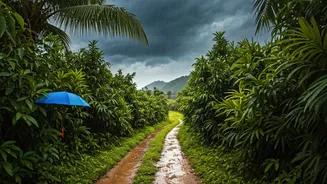


Mastering the Monsoon Forecast
Unpredictable weather is the biggest variable for monsoon travel. Spontaneous downpours can cause everything from minor inconvenience to major disruptions like floods and landslides. Your first line of defence is a reliable weather forecast. While many
smartphone apps are available, the official source from the India Meteorological Department (IMD), the 'Mausam' app, is a crucial tool. It provides current conditions, forecasts, and severe weather warnings across the country. For more granular, minute-by-minute precipitation forecasts, international apps like AccuWeather can be very useful, telling you when rain is likely to start and stop in your specific location. Checking the forecast 4-5 days before your trip and daily while travelling can help you plan activities and avoid high-risk situations. Pay close attention to warnings about heavy rainfall, cyclones, and potential landslides, especially if you are heading to hilly regions.
Decoding Refund and Cancellation Policies
Weather-related disruptions often lead to cancelled flights and altered hotel plans. Understanding the fine print on your bookings is essential. For flights, India's Directorate General of Civil Aviation (DGCA) has rules in place. If an airline cancels a flight, they must offer you the choice of an alternate flight or a full refund. However, compensation for delays and cancellations often does not apply if the cause is 'extraordinary circumstances' like extreme weather. Hotel policies vary significantly. Some offer free cancellation up to 24 or 72 hours before check-in, while others have non-refundable rates. During peak seasons or special events, policies can be much stricter. To protect yourself financially, consider booking flexible or refundable rates, even if they cost slightly more. It is also wise to invest in comprehensive travel insurance. A good policy can cover trip cancellations, delays, and medical emergencies, providing a financial safety net when the weather ruins your plans.
The Art of Patience and Flexible Planning
The third pillar of a successful monsoon trip is patience. Delays are not just possible; they are probable. A flexible mindset is your most valuable asset. Instead of a tightly packed schedule, build buffer days into your itinerary—at least one for every week of travel. This allows you to accommodate a delayed train or a washed-out road without derailing your entire trip. When booking accommodation, consider places closer to transport hubs to minimise transfers in heavy rain. Packing smart also contributes to a stress-free experience. Essential items include a power bank for inevitable power cuts, quick-drying clothes instead of heavy materials like jeans, and waterproof bags to protect your electronics and documents. Carry a small first-aid kit and any necessary medications. Finally, embrace the pause. If you are stuck indoors, use it as an opportunity to enjoy the view with a hot cup of tea or coffee, read a book, or simply enjoy the relaxing sound of the rain.
Choosing Your Destination Wisely
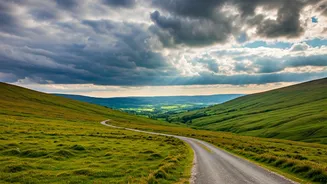
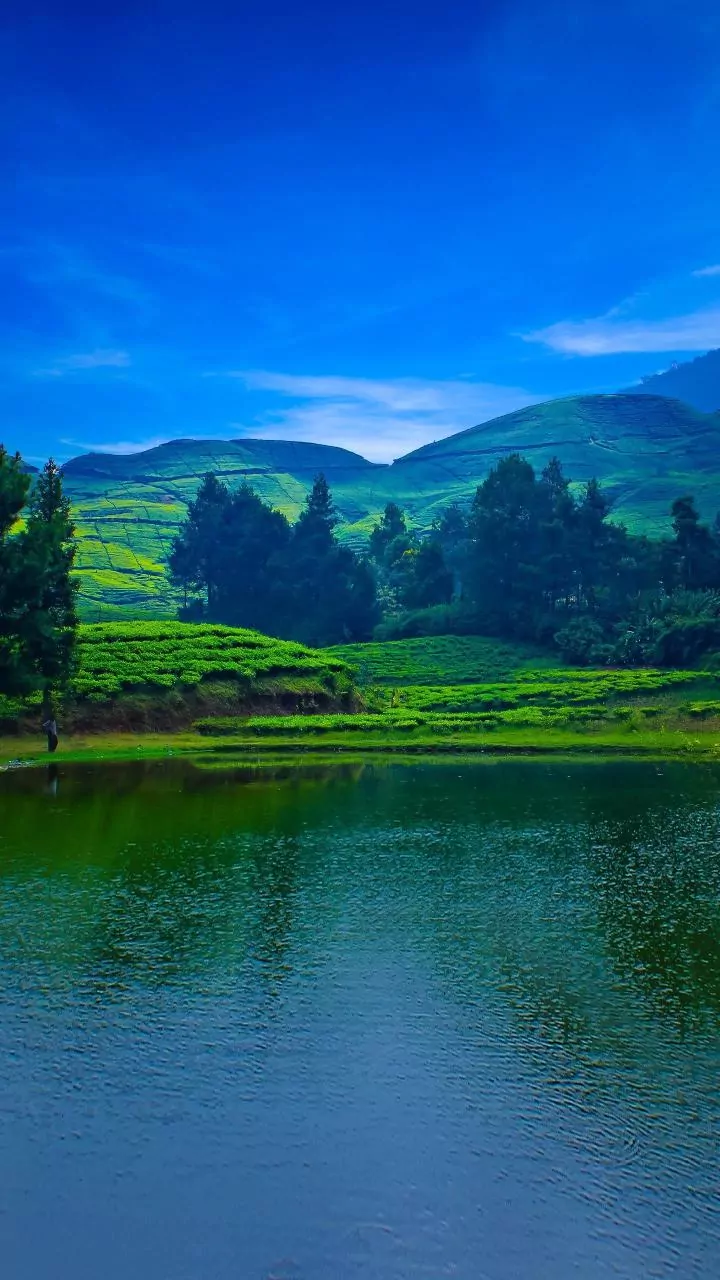
Not all destinations are created equal during the monsoon. While some areas become hazardous, others are transformed into lush paradises. Regions in the Himalayas can be prone to landslides, making travel risky from June to August. Conversely, hill stations in the Western Ghats like Lonavala, Munnar, and Coorg come alive with gushing waterfalls and vibrant greenery. Destinations in Rajasthan, such as Udaipur and Mount Abu, receive less rainfall and offer a different kind of charm with replenished lakes and cooler weather. The key is to research your chosen location's specific monsoon patterns. Some places, like Goa, offer a very different, quieter experience compared to the peak tourist season, with verdant landscapes and off-season prices, though swimming in the sea is often unsafe due to rough currents. Choosing a destination where the rain enhances the experience, rather than restricts it, is key to a memorable trip.