





India’s New Space Age Is Private
The Indian space sector is undergoing a monumental shift. What was once the exclusive domain of the Indian Space Research Organisation (ISRO) is now a bustling ecosystem of private companies. This transformation was catalysed by landmark government policies
in 2020, which opened the doors for non-governmental entities to participate in the entire spectrum of space activities. The creation of the Indian National Space Promotion and Authorisation Centre (IN-SPACe) as a single-window agency was a game-changer. IN-SPACe is tasked with promoting, authorising, and supervising private sector involvement, from building rockets and satellites to offering space-based services. As a result, India's space economy, valued at around $9 billion in 2023, is projected to surge to over $40 billion by the next decade, with hundreds of new startups joining the fray.
Meet the Trailblazers
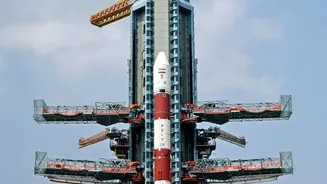
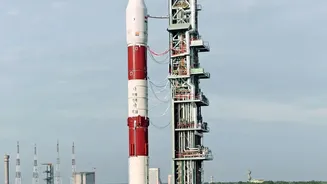
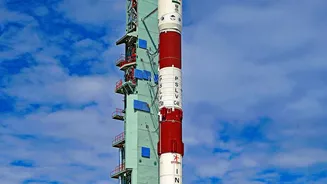
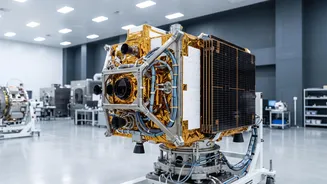
A new constellation of Indian startups is redefining what's possible. These aren't just paper plans; they are well-funded companies with hardware in orbit and on the launchpad. The industry can be broadly divided into key areas. Launch vehicle developers like Hyderabad's Skyroot Aerospace, which became the first private Indian company to launch a rocket, and Chennai's Agnikul Cosmos, known for its 3D-printed engines, are building the vehicles to carry satellites to space. Then there are the satellite builders themselves. Bengaluru-based Pixxel is deploying a constellation of hyperspectral imaging satellites to monitor Earth in unprecedented detail. Hyderabad's Dhruva Space offers full-stack satellite solutions, from building platforms to launch services. These companies, and many others, are attracting significant investment and creating a high-tech manufacturing and service base.
Jobs Beyond Rocket Science
The most exciting part of this new space race is the sheer diversity of roles it is creating. While aerospace and propulsion engineers remain crucial, the industry's demand now extends far beyond traditional rocket science. The fastest-growing segment is arguably in software and data. Companies like Pixxel and SatSure are hiring remote sensing experts, GIS analysts, and machine learning engineers to process the vast amounts of data beamed down from satellites and turn it into actionable intelligence for agriculture, climate science, and infrastructure monitoring. There's a high demand for software engineers with skills in C++, Python, and embedded systems to write the flight software and control systems that are the brains of any mission. Beyond tech, as the sector matures, it needs lawyers specialising in space law, business development managers, marketing professionals, and even finance experts.
The Skills to Reach for the Stars
So, how do you prepare for a career in this dynamic field? For technical roles, a strong foundation in science and engineering is non-negotiable. A B.Tech in aerospace, mechanical, electronics, or computer science from a reputable institution is the most common entry point. However, specific skills will set you apart. Proficiency in programming languages like Python and MATLAB for simulation and data analysis is increasingly valuable, even for hardware-focused roles. For those interested in the downstream data applications, skills in remote sensing, GIS tools, and machine learning are essential. Don't underestimate soft skills, either. The fast-paced startup environment values problem-solving, adaptability, and the ability to work in multidisciplinary teams.
Your Mission, Should You Choose to Accept It
Embarking on a career in India's private space industry is more accessible than ever. The most direct route for students remains a strong academic background in a relevant engineering or science discipline. Beyond coursework, practical experience through internships is invaluable. Many startups, including Dhruva Space and Digantara, actively look for passionate talent and offer opportunities to work on real projects. Follow the industry closely. Read up on companies like Skyroot, Agnikul, and Pixxel. Understand their missions and the technologies they are developing. With over 400 space startups now registered in India, the opportunities are vast and varied. The dream of working in space is no longer distant; it's a tangible career path waiting for a new generation of Indian talent to explore.