




Welcome to the World of the Very Small
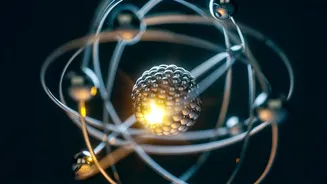
Nanotechnology is the science of manipulating matter at an atomic and molecular scale. Think of it as engineering on the smallest possible level, dealing with materials between 1 and 100 nanometres in size. To put that in perspective, a single human hair
is about 60,000 nanometres thick. At this minuscule scale, materials can exhibit surprising new properties. Gold, which is famously inert, can become a powerful catalyst at the nanoscale. Carbon, the stuff of pencils, can be arranged into graphene, a material stronger than steel. These unique properties are what make nanotechnology a revolutionary force in medicine, electronics, and beyond.
Bengaluru's Premier Nanotech Summit
For over a decade, Bengaluru India Nano has stood as the country's most significant event dedicated to this cutting-edge field. Organized by Karnataka's Department of Science & Technology with guidance from the Vision Group on Nanotechnology, led by the eminent scientist Prof. C.N.R. Rao, the event is a crucial platform. It brings together Nobel laureates, researchers, industry giants, and policymakers to bridge the gap between lab discoveries and real-world applications. The 14th edition, set for August 3-5, 2026, continues this tradition, focusing on taking nano-innovations from concept to commercialisation.
The Challenge: Making the Invisible Visible
For all its potential, nanotechnology presents a significant learning hurdle. Because its core principles operate at a scale far beyond our everyday experience, it can feel abstract and unintuitive, especially for students and the general public. It's difficult to form a mental model of something you can't see or touch. This is the challenge that educators and science communicators face: how do you make the nanoscale world relatable and understandable to a broad audience, inspiring the next generation of scientists rather than intimidating them?
Energy: A Tangible Bridge to the Nano-Level
This is where the theme for Bengaluru India Nano 2026 becomes so powerful. The conference features a dedicated track on "Nano in Energy & Environment," using energy applications as a practical and relatable lens through which to view nanotechnology. Almost everyone understands the basics of energy: we charge our phones, see solar panels on rooftops, and hear about the push for electric vehicles. These familiar concepts provide the perfect anchor. By demonstrating how nanotechnology dramatically improves these very technologies, the abstract becomes concrete. The science moves from a textbook theory to a tangible benefit you can hold in your hand.
From Better Batteries to Efficient Solar
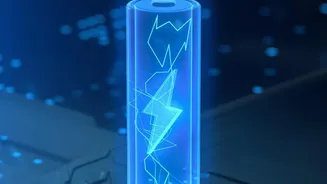
The connection between nano and energy is profound. Nanomaterials are used to create batteries that are smaller, lighter, charge faster, and hold more power. By engineering electrodes at the nanoscale, scientists can vastly increase their surface area, which is key to boosting energy storage capacity. Similarly, nanotechnology is revolutionizing solar power. Nanoparticle coatings can make solar cells more efficient at converting sunlight into electricity and even help them resist dirt, reducing maintenance. Presenting these examples allows students and visitors at the conference to connect the dots. They can see a demonstration of a faster-charging battery and understand that the 'magic' behind it is the deliberate, nanoscale engineering of its components.
Inspiring India’s Future Innovators
By grounding complex science in everyday applications, Bengaluru India Nano 2026 is doing more than just showcasing new technology. It is building an educational pathway. For a student, seeing how nanotechnology leads to better renewable energy systems or more efficient electronics makes the field feel relevant and exciting. This approach is crucial for nurturing talent in a country with ambitious goals in manufacturing, healthcare, and sustainable development—all sectors being transformed by nanotechnology. By demystifying the subject, the event helps build a pipeline of future researchers, engineers, and entrepreneurs who are not just users of technology, but its creators.