



The ‘Miracle Tree’ in Your Kitchen
Chances are, you already know moringa, even if you don't recognise the name. Known across India as ‘shevga’ or ‘sahjan’, the drumstick tree has been a backyard staple for centuries. We've long cherished its tender drumsticks in sambars and curries. But
in recent years, the spotlight has shifted to its leaves, which have earned moringa the global title of a 'superfood' or 'miracle tree'. These small, vibrant green leaves are being celebrated not just for their culinary versatility but for their incredible density of nutrients. Available as a convenient dried powder or as flakes, moringa leaves offer a simple way to tap into traditional wisdom for modern wellness.
A Potent Nutritional Punch
The headline-grabbing nutrient in moringa is iron. For a plant-based source, its concentration is impressive, making it a valuable addition for vegetarians, vegans, and anyone looking to combat fatigue and low energy levels associated with iron deficiency. But its benefits don't stop there. Moringa leaves are a complete protein source, containing all nine essential amino acids. They are also packed with Vitamin C (which, crucially, helps your body absorb the iron), Vitamin A for eye health, calcium for bones, and potassium. Furthermore, moringa is rich in antioxidants like quercetin and chlorogenic acid, which help fight inflammation and protect your cells from damage. It’s less of a single-nutrient supplement and more of a multi-vitamin straight from nature.
Why Dal Is the Perfect Partner
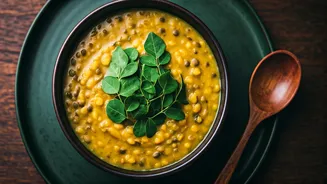
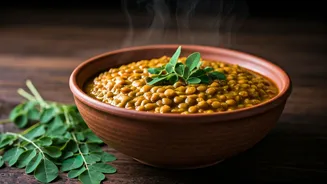
So, why add this green magic to your dal? The logic is beautifully simple. For millions in India, dal is not a special occasion dish; it's a daily ritual. Integrating moringa into your lunchtime lentil curry means you're creating a consistent habit for better health without having to remember to take a supplement or prepare a separate 'health food'. The synergy is perfect. The earthy flavour of moringa complements the savoury, spiced notes of most dals, from a simple tadka dal to a richer dal makhani. More importantly, many dal recipes include tomatoes, onions, and a finishing squeeze of lemon juice—all excellent sources of Vitamin C. This culinary pairing isn't just delicious; it's smart science, as the Vitamin C significantly enhances the absorption of the non-heme iron from the moringa and the lentils themselves.
How to Use Moringa Flakes
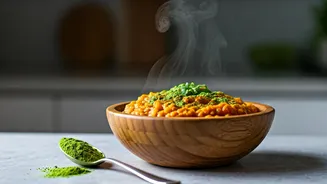
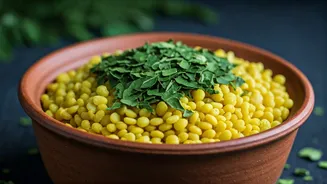
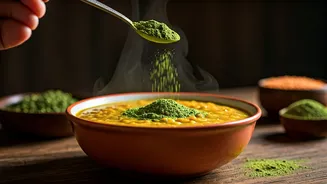
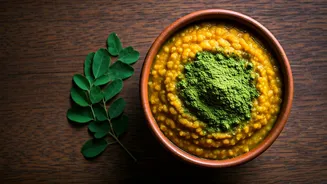
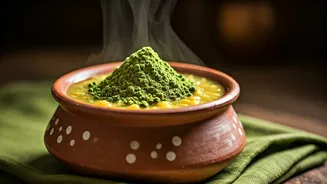
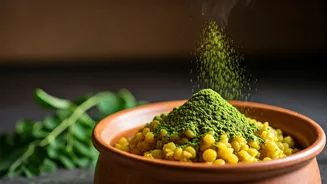
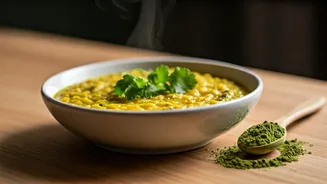
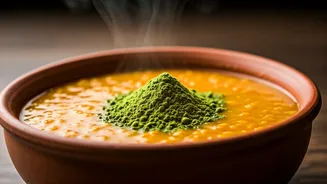
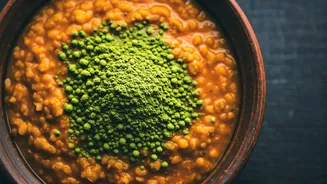
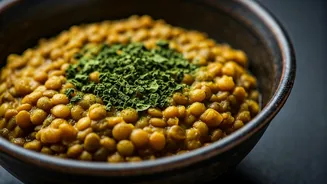
Incorporating moringa into your curry is incredibly easy. The best part is, you don’t need to alter your family recipe. You can use either moringa leaf flakes or powder, though flakes tend to have a milder flavour. A good rule of thumb is to start small. For a standard pot of dal serving four people, begin with one to two teaspoons of moringa flakes or powder. The best time to add it is in the last five minutes of cooking. Stir it in well and let it simmer briefly. This ensures you retain most of the delicate nutrients that can be lost with prolonged high heat. You can also simply stir the flakes into your individual bowl just before eating, much like you would add fresh coriander. This method preserves maximum nutrition and allows everyone to adjust the amount to their liking.
Taste, Texture, and Tips
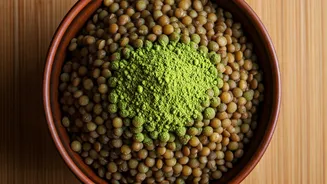
The most common question is: will it ruin the taste of my dal? The answer is no, especially if you start with a small amount. Moringa has an earthy, slightly grassy flavour, often compared to spinach or matcha. When mixed into a flavourful dal, its taste is subtle and often completely masked by the spices. The flakes rehydrate into tiny, soft leaf pieces, similar to kasuri methi, adding a slight texture but not an unpleasant one. The powder will simply dissolve, possibly giving your dal a slightly deeper, greener hue. When buying moringa, look for a product that is bright green, which indicates freshness and proper drying. Store it in an airtight container away from direct sunlight to preserve its potency.