
The Lithium-Ion Bottleneck
For years, lithium-ion (Li-ion) batteries have been the undisputed champions of the electric vehicle world. They pack a significant amount of energy into a relatively small and light package, making them ideal for everything from smartphones to high-performance
electric cars. However, this dominance comes at a cost. Lithium is a relatively rare element, often called "white gold," and its mining is concentrated in a few countries. This creates a volatile supply chain, subject to geopolitical tensions and price spikes that directly impact the final cost of an electric scooter in an Indian showroom. Furthermore, Li-ion batteries require other expensive materials like cobalt and copper, and they have safety concerns, including a risk of overheating or fire if not managed carefully. For a price-sensitive market like India, relying solely on this expensive, imported technology is a significant hurdle to mass EV adoption.
Enter Sodium-Ion: The Salt-Based Challenger
Imagine powering your scooter with a battery made from one of the most abundant and inexpensive materials on Earth. That's the core promise of sodium-ion (Na-ion) technology. Structurally, Na-ion batteries are very similar to their lithium-ion cousins, using the movement of ions to store and release energy. The crucial difference is the raw material. Sodium is thousands of times more abundant than lithium, found everywhere from rock salt to seawater. This promises a stable, secure, and significantly cheaper supply chain. Indian companies are already making strides in this area. Startups like Indi Energy, which uses agricultural waste to create components, and established players like Reliance New Energy and KPIT Technologies are actively developing commercially viable sodium-ion batteries. This push for local manufacturing aligns perfectly with India's 'Make in India' and 'Atmanirbhar Bharat' ambitions, aiming to reduce dependence on imported components.
Head-to-Head: Sodium vs. Lithium
So, how does the challenger stack up against the champion? It's a story of trade-offs. The biggest drawback for sodium-ion is currently lower energy density. A Na-ion battery is generally heavier and bulkier than a Li-ion battery for the same amount of energy stored. While Li-ion batteries offer 150-250 Wh/kg, current Na-ion batteries are in the 100-175 Wh/kg range. This makes them less suitable for long-range, high-performance cars but potentially perfect for city-based electric scooters and three-wheelers where extreme range isn't the priority. On the plus side, Na-ion batteries have significant advantages. They perform much better in extreme temperatures, both hot and cold, which is a huge benefit for the varied Indian climate. They are also inherently safer, with a much lower risk of thermal runaway and fire. Furthermore, they promise faster charging times and a longer cycle life, meaning they can be charged and discharged more times before they degrade. Critically, as production scales up, their cost is expected to drop significantly below that of Li-ion batteries.
What This Means for India’s EV Dream
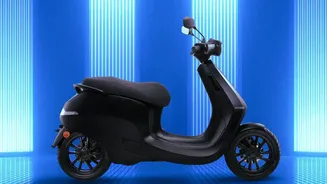
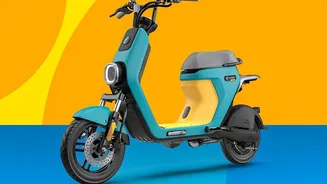
The potential impact is enormous. While Na-ion batteries may not be replacing Li-ion in high-end EVs anytime soon, they could be the key to unlocking the affordable segment of the market. Industry experts predict that the cost of sodium-ion battery cells will match that of the cheapest lithium-ion (LFP) batteries by the end of 2026. As manufacturing matures, they are projected to become 30-40% cheaper. This cost reduction could directly translate into more affordable electric scooters, bringing them within reach of a much larger segment of the Indian population. An Indian government official recently noted that local researchers have reached a high level of technological readiness (TRL-7), meaning commercial production could be just two to three years away. Nashik-based manufacturer Jitendra New EV Tech has already announced plans to launch sodium-ion powered two-wheelers by early 2026. This isn't just a distant laboratory concept; it's a technology on the verge of hitting Indian roads.