

Why Festive Feasts Disrupt Digestion
During festivals, our eating habits change dramatically. We consume foods that are higher in sugar, fat, and salt than our usual diet. These rich meals can slow down digestion, leading to symptoms like bloating, gas, acid reflux, and general discomfort.
Overeating puts additional stress on the digestive system, as it works overtime to process the sudden influx of heavy foods. Furthermore, irregular meal times, late-night parties, increased alcohol consumption, and lack of sleep can disrupt the natural rhythm of our gut, affecting the delicate balance of our gut microbiome.
The Art of Portion Control
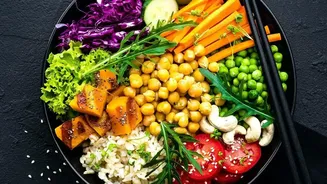
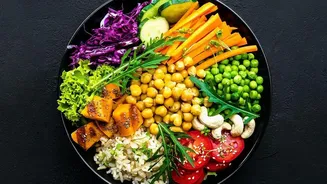
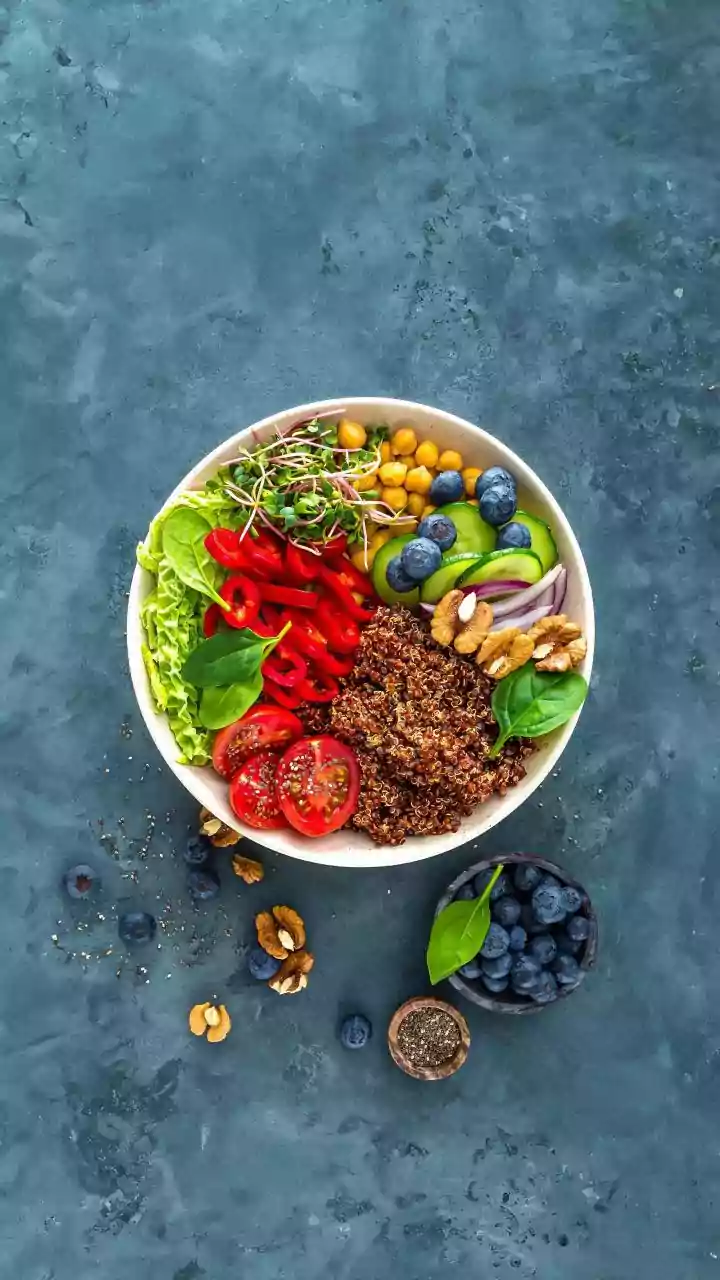
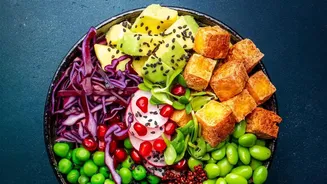
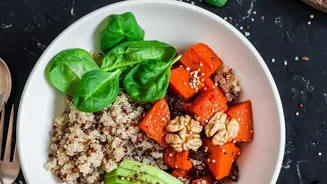
Enjoying festive food doesn't have to mean over-stuffing yourself. The key is portion control, which allows you to savour your favourite dishes without regret. A practical strategy is to use a smaller plate, which can trick your brain into feeling satisfied with less food. Another effective method is the plate-balancing rule: fill half your plate with vegetables or a salad, a quarter with protein like paneer or dal, and the remaining quarter with carbohydrates such as rice or roti. This ensures you get a balanced mix of nutrients while naturally limiting the richer items. Remember to eat slowly, as it takes about 20 minutes for your brain to register that you are full.
Embrace Mindful Eating
Mindful eating is the practice of paying full attention to the experience of eating and drinking, both inside and outside the body. Instead of eating on autopilot while chatting or watching TV, focus on the food's aroma, texture, and taste. Chew each bite thoroughly and put your fork down between bites to naturally slow your pace. This not only enhances your enjoyment but also helps you recognise your body’s hunger and fullness cues more accurately, preventing overeating. Before going for a second helping, pause for a few minutes to see if you are genuinely still hungry.
Smart Choices for a Happy Gut
Beyond just how much you eat, what you eat plays a crucial role in gut comfort. Start your day with a light, fibre-rich breakfast to set a good digestive tone. It's also wise not to skip meals to “save” calories for a big party, as arriving famished often leads to poor choices and overindulgence. Instead, have a small, healthy snack like fruit or a handful of nuts before you go. When at a gathering, survey the buffet before loading your plate to make conscious decisions about what you really want to eat. Staying hydrated with water throughout the day is also essential, as it aids digestion and can prevent you from confusing thirst with hunger.
Post-Feast Recovery
If you do end up overindulging, don't feel guilty. Instead, focus on getting back on track. A short walk after a heavy meal can stimulate digestion and help reduce bloating. In the days following a big feast, prioritise lighter, home-cooked meals rich in vegetables and lean proteins to give your digestive system a break. Incorporating probiotic-rich foods like yogurt and kefir can help restore a healthy balance to your gut bacteria. Herbal teas, such as ginger or peppermint, can also be very effective at soothing an upset stomach.