



The Autumnal Equinox (September 23)
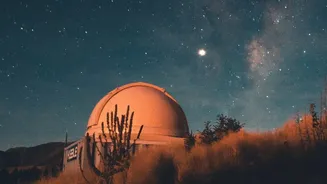
While not a visual spectacle you can watch through a telescope, the September Equinox is a significant astronomical event that officially marks the beginning of autumn in the Northern Hemisphere. On September 23, 2026, the Earth's axis will be tilted
neither toward nor away from the sun, resulting in nearly equal lengths of day and night across the globe. For stargazers in India, this date, known locally as the Sharad Vishuva, signals a seasonal shift. The event occurs at 5:35 AM IST. Following the equinox, the nights will grow progressively longer, providing more time for deep-sky observation in the months to come. It’s a moment to appreciate the clockwork of our solar system and to prepare for the excellent stargazing conditions of post-monsoon and winter India.
Neptune at Opposition (September 25-26)
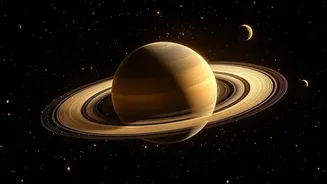
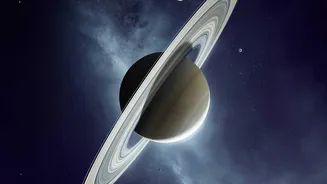
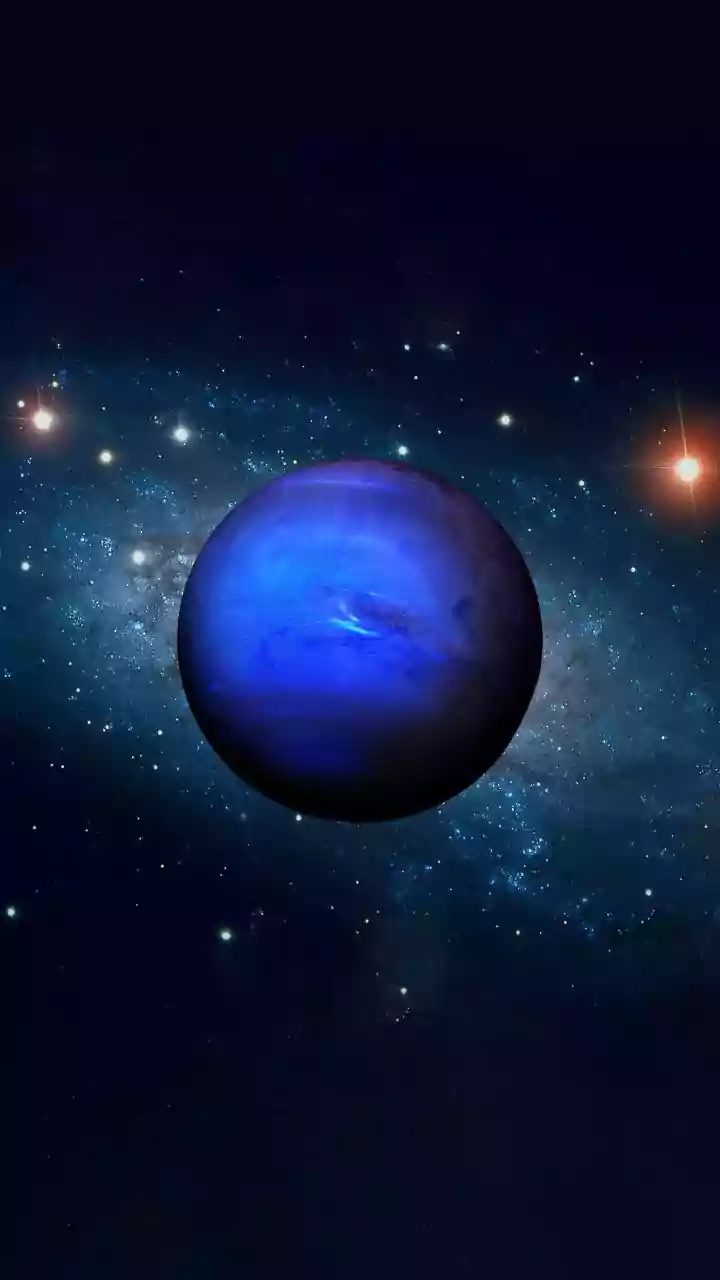
For those with binoculars or a telescope, the night of September 25-26 presents a rare opportunity to hunt for the most distant planet in our solar system. Neptune reaches opposition, an event where Earth passes directly between the sun and the icy giant. This alignment means Neptune will rise in the east around sunset, remain visible all night, and be at its closest and brightest for the year. Though it will still only appear as a tiny, pale-blue dot, its magnitude of +7.8 makes it findable for determined observers. Look for it in the constellation Pisces. A helpful tip for locating it is to find the nearby and much brighter Saturn; Neptune will be in the same region of the sky. The full Moon will also be near, which might add some brightness to the sky, but with patience and a good star chart, spotting this faraway world is a rewarding challenge.
The Harvest Full Moon (September 26)
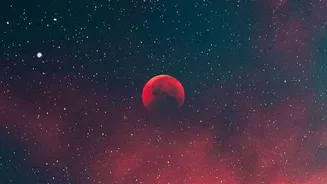
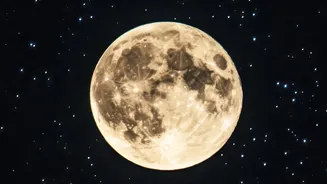
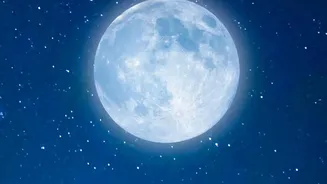
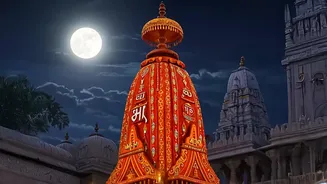
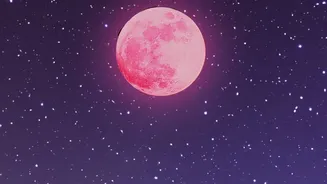
Coinciding with Neptune's opposition, a brilliant full moon will grace the night sky. The full moon on September 26 is the Harvest Moon, a name given to the full moon that occurs closest to the autumnal equinox. It will reach peak illumination at 10:19 PM IST, making it perfectly timed for evening viewing across India. The Harvest Moon is often associated with a golden or reddish hue, especially when it is near the horizon. This effect is caused by its light traveling through more of Earth’s atmosphere before it reaches your eyes. To get the most dramatic view, try to watch the moonrise on the evening of the 26th when it appears largest against the eastern horizon. Along with the Moon, the planet Saturn will be visible nearby, appearing as a bright, steady light among the stars of the constellation Pisces.