






The Rise of the Micro-Cation
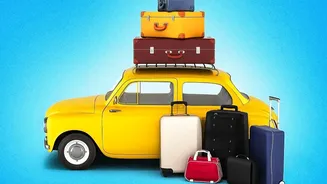
Instead of waiting all year and saving up leave for a two-week marathon holiday, a growing number of young professionals are embracing the 'micro-cation'. These are short, intentional trips, typically lasting two to five days, often built around a weekend.
Recent surveys confirm this is no longer a niche trend. A 2026 Airbnb survey of over 2,000 Gen Z travellers in India found that a staggering 70% would rather take three short trips than one long annual holiday. This shift is not just about the duration but the entire philosophy of travel, prioritising regular, refreshing breaks that fit seamlessly into a fast-paced modern life.
A New Work-Life Equation
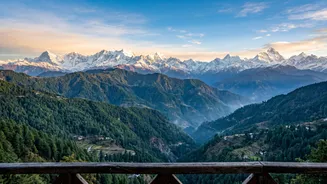
For many in demanding jobs, taking a long, uninterrupted break is a logistical nightmare. The pressure of deadlines and the difficulty of completely disconnecting make shorter trips more practical. Furthermore, the rise of hybrid and remote work models has untethered professionals from their desks, making 'workations' a popular option. Young Indians are blending work with leisure, spending weeks in scenic locations like the Himalayas or Goa, which offer a change of scenery without requiring them to take leave. This flexibility allows for travel to be integrated into life, rather than being a rare escape from it.
The Economics of Spreading It Out
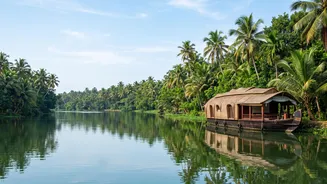
While it might seem counterintuitive, taking multiple trips can be a savvier financial strategy. Instead of a single, large expenditure on an annual holiday, younger travellers can spread their travel budget across several smaller, more manageable getaways. This approach aligns better with modern financial habits and mitigates the risk of one expensive trip derailing their budget. The boom in budget airlines, affordable homestays, and backpacker hostels has made domestic travel more accessible than ever, allowing for quick and cost-effective escapes to nearby hills, beaches, or heritage cities.
Driven by the 'Experience' Economy
For Millennials and Gen Z, travel is increasingly seen as a reflection of personal identity. There is a pronounced shift away from simply visiting famous attractions towards seeking unique, personal experiences. According to one report, 80% of Gen Z travellers say small, authentic moments on a trip matter more to them than seeing landmarks. This generation values cultural immersion and relaxation, with many trips planned specifically for wellness benefits and to escape the stress of urban life. A short, focused trip—be it a wellness retreat, a food trail, or an adventure weekend—often delivers a more potent dose of experience than a longer, more diluted vacation.
The Social Media Effect
Digital platforms have fundamentally changed how young people discover and decide on travel. Platforms like Instagram and YouTube are now primary sources of travel inspiration. The constant stream of visually appealing content from travel influencers and peers creates an ongoing desire for new destinations and shareable moments. This fuels a cycle of frequent, spontaneous travel, as a beautiful post can trigger an immediate desire to visit. Many young travellers are part of the 'anti-itinerary' generation, preferring spontaneous exploration over rigid plans, a style that is perfectly suited to short, impromptu trips.