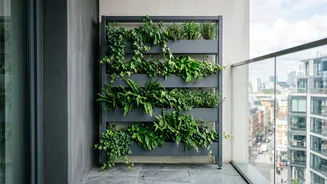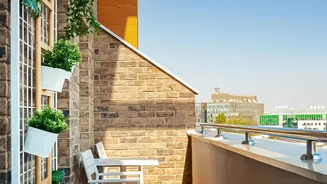



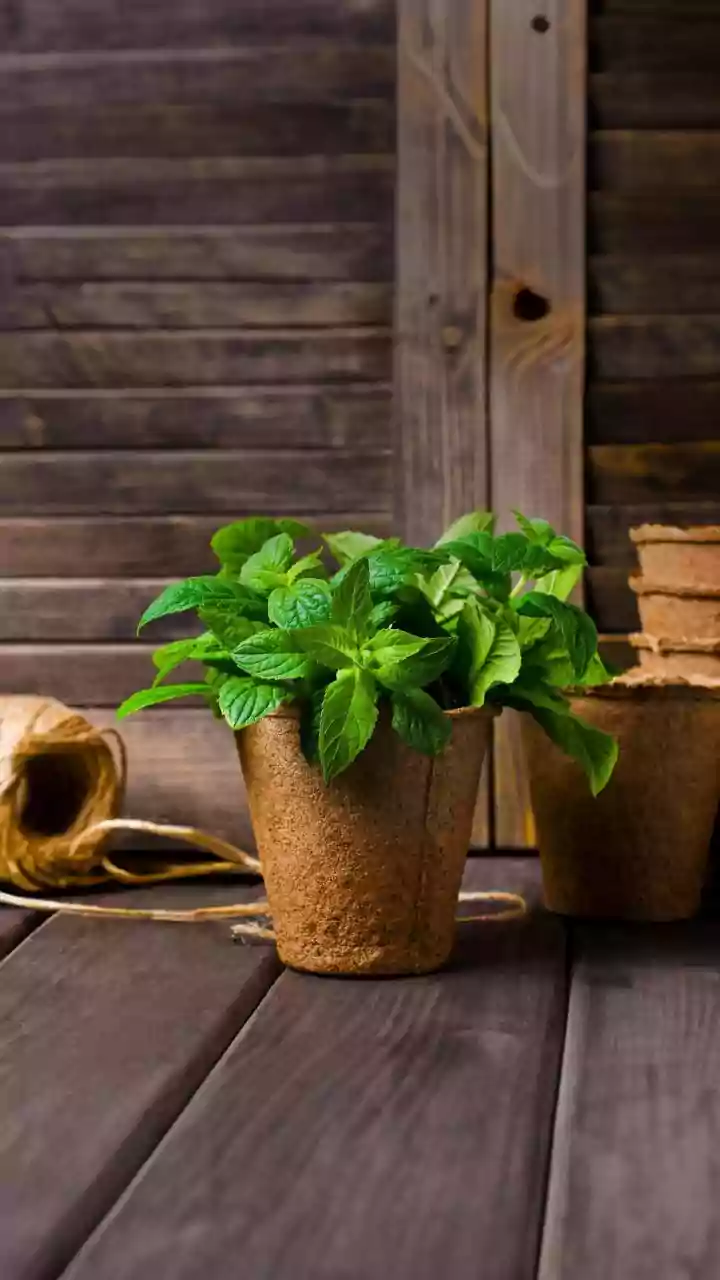

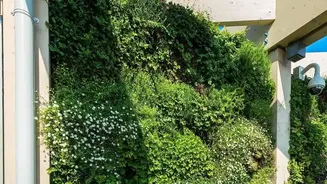
In urban homes, a balcony is a precious slice of the outdoors. Yet, its walls are often left bare. A vertical garden can transform this overlooked space into a lush, green sanctuary, proving you don't need a large yard to grow something beautiful.
The Benefits of Going Vertical
The
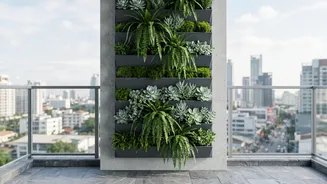
most obvious advantage of a vertical garden is its space efficiency. By growing upwards instead of outwards, you can cultivate a surprising number of plants without sacrificing valuable floor space. This transforms a plain wall into a living work of art that enhances the beauty and ambience of your home. Beyond aesthetics, these 'green walls' act as natural air purifiers, filtering pollutants and releasing oxygen. They can also help regulate temperature by absorbing sunlight, creating a cooler, more comfortable microclimate on your balcony. For many, the therapeutic act of tending to plants provides a welcome escape and a connection to nature.
Choosing the Right System
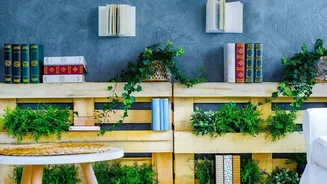
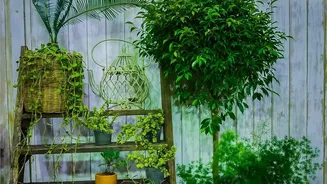
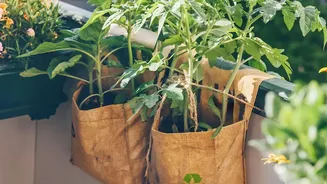
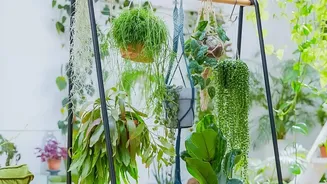
Vertical garden systems range from simple DIY projects to sophisticated modular kits. Fabric pocket planters are a popular and affordable option, consisting of felt-like pockets mounted on a frame. Modular panel systems allow you to click individual pots into a wall-mounted grid, offering flexibility to rearrange plants easily. For a renter-friendly approach, consider a freestanding tiered or ladder-style plant stand, which leans against the wall without needing to be drilled in. You can also repurpose a wooden pallet by stapling landscape fabric to create planting troughs. For climbing plants, a simple trellis mounted on the wall provides an effective and lightweight support structure.
Best Plants for Indian Balconies
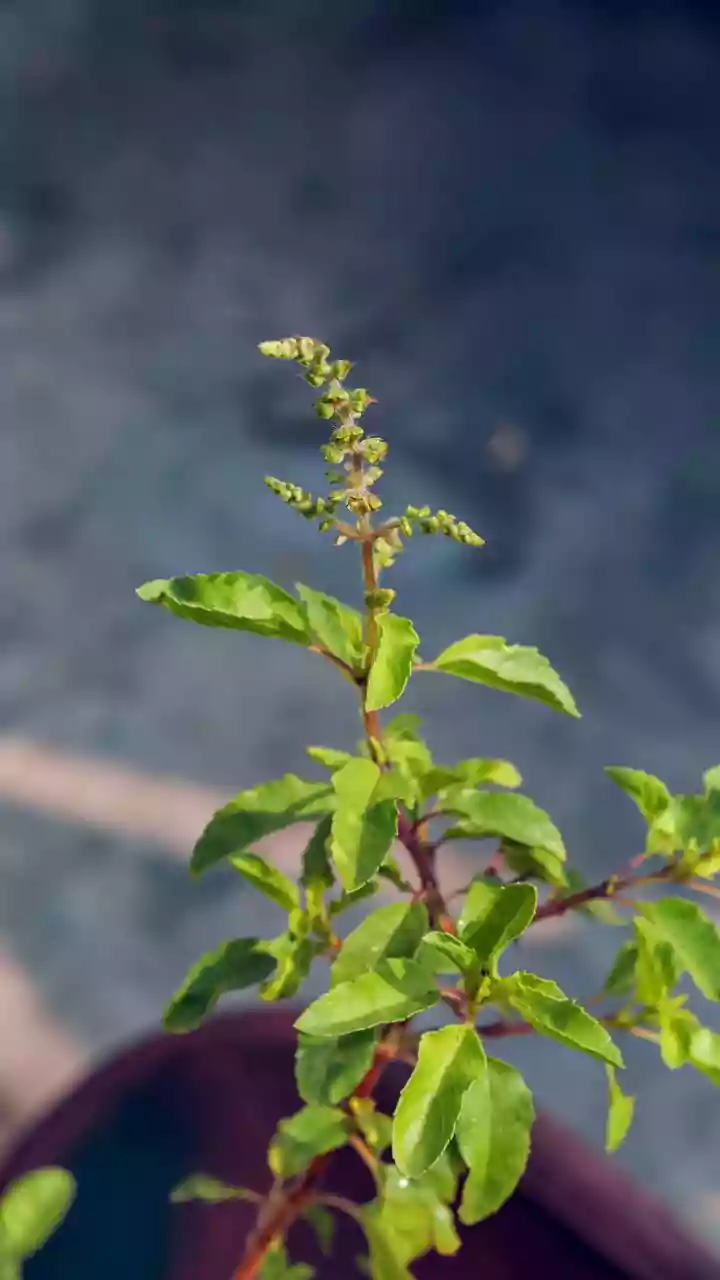
Plant selection is crucial for a thriving vertical garden. First, assess your balcony's sunlight. For sunny, hot walls, choose heat-tolerant species. Options like Portulaca, Vinca (Sadabahar), and Bougainvillea (dwarf varieties) will do well. Many herbs such as basil (tulsi), mint (pudina), and coriander (dhania) also love the sun. For balconies that are partially shaded or receive only morning light, you have many choices. Money Plant (Pothos), Spider Plant, Syngonium, and various ferns are excellent performers in lower light and are very forgiving for beginners. These plants adapt well to containers and create a lush, trailing effect down the wall.
Installation and Soil
Before you begin, check that your balcony wall can support the weight of the system, plants, and wet soil. For wall-mounted systems, it’s wise to attach a waterproof backing board to protect your wall from moisture. When it comes to soil, avoid using heavy garden soil, which can become compacted and waterlogged. A lightweight potting mix, often containing cocopeat, compost, and perlite, is ideal. This type of mix retains moisture while allowing for good drainage and aeration, which is critical for plants in containers. Fill each pot or pocket with this mix before placing your plants.
Care and Maintenance
Vertical gardens can dry out faster than traditional pots, so regular watering is key. The top planters will dry out quickest. Check the soil every day or two by touch; if the top inch is dry, it's time to water. An automated drip irrigation system can be a worthwhile investment for larger walls. Feed your plants with a balanced liquid fertiliser every two to four weeks during the growing season, as nutrients in the limited soil volume get depleted quickly. Regularly inspect your plants for common pests like aphids or spider mites and treat any issues immediately with a natural spray like neem oil. Finally, prune any dead or yellowing leaves to encourage new growth and keep your green wall looking neat and healthy.