






The Flaw in Just Counting Footfalls
For decades, the success of a tourist destination was judged by the sheer volume of visitors it attracted. While impressive, this number alone is a blunt instrument. It doesn't tell us how long visitors stayed, how much they spent, or, most importantly,
where that money went. A focus solely on quantity can lead to what's known as 'over-tourism,' where infrastructure is strained and the quality of life for residents declines. Global bodies like the World Economic Forum are now urging a shift in perspective: to measure success not just by arrivals, but by the lasting value created for local communities. This means looking at tourism as an economic ecosystem, a true engine for employment.
Following the Money: Direct Employment
The most visible impact of tourism is direct employment. These are the jobs that involve providing services directly to tourists. Think of the hotel receptionist who checks you in, the guide who shows you around a historical monument, the chef who cooks your meal, or the driver who takes you to the airport. In India, the tourism and hospitality sector is one of the largest creators of these direct jobs, supporting millions of people across a wide range of skill levels. For many, especially in regions with few large industries, these roles provide a vital source of income and a direct entry point into the formal economy.
The Ripple Effect: How Spending Creates Indirect Jobs
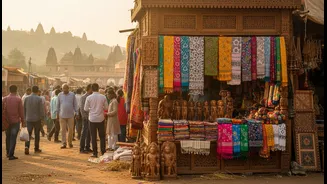
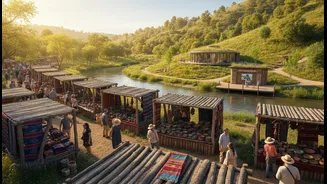
This is where the story gets more interesting. The money a tourist spends doesn't stop with the hotel or the restaurant. That hotel needs to buy linens, food, and cleaning supplies. That restaurant needs fresh produce from local farmers and ingredients from suppliers. These purchases create a chain reaction, supporting a vast network of indirect jobs. The construction workers who build and maintain tourist facilities, the farmers who supply the food, the artisans who create handicrafts for souvenir shops, and the mechanics who service tour vehicles all benefit from the tourist economy. This multiplier effect means that every single job in the tourism frontline helps sustain several others behind the scenes, spreading the economic benefits deep into the local community.
The Final Layer: Induced Employment
There’s one more layer to this economic engine: induced employment. When the hotel employee, the farmer, and the artisan earn money from tourism-related activities, they spend it within their own communities. They buy groceries, pay for their children's education, go to local cinemas, and use local services. This spending supports even more jobs—the shopkeeper, the teacher, the tailor—that may seem completely unrelated to tourism. This third wave of impact demonstrates how the initial spending from a single visitor can circulate through a local economy multiple times, strengthening the entire community's financial foundation. This process is crucial for holistic regional development, especially in rural and remote areas.
Community-Centric Models: Keeping the Benefits Local
To maximize these benefits, there's a growing movement toward community-based tourism. Models like homestays in Sikkim, eco-lodges in the Himalayas, and rural tourism initiatives in states like Kerala and Madhya Pradesh are designed to ensure a larger portion of visitor spending stays within the community. These initiatives empower local residents to become entrepreneurs, preserve their cultural heritage, and protect their natural environment. By choosing to stay in a village homestay or buying crafts directly from an artisan, travellers can play an active role in ensuring their visit contributes directly to the well-being and economic empowerment of the people they meet. This approach fosters a more sustainable and equitable form of tourism that benefits everyone.