






Why Travel by Train in Winter?
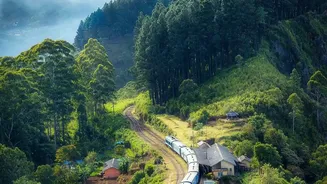
Choosing to travel by train in India is about more than just getting from one point to another; it's an experience in itself. Winter, with its pleasant daytime temperatures and misty mornings, offers the perfect climate for rail journeys. You get a front-row
seat to the country's ever-changing landscapes, from the fertile plains of the north to the arid deserts of Rajasthan. It’s also a more sustainable and often more affordable way to travel, allowing you to connect with the country on a deeper level. Modern, high-speed trains have made journeys faster and more comfortable than ever, connecting major tourist hubs efficiently. You can avoid the stress of highway traffic and arrive rested in the heart of each city, ready to explore.
The Golden Triangle: An Ideal Rail Circuit
For a perfect flight-free winter trip, India's famous Golden Triangle circuit is hard to beat. This route connects the three historic and culturally rich cities of Delhi, Agra, and Jaipur. The entire circuit is exceptionally well-serviced by the Indian Railways network, making it an ideal choice for first-time visitors and seasoned travellers alike. The pleasant weather between October and March is perfect for sightseeing in these cities. A comfortable trip covering the triangle can be done in five to six days, giving you ample time to soak in the sights without feeling rushed.
First Stop: The Capital City, Delhi
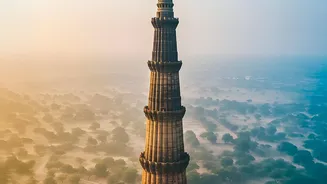
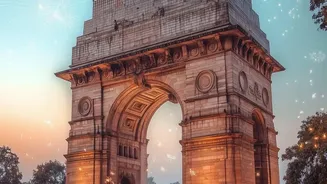
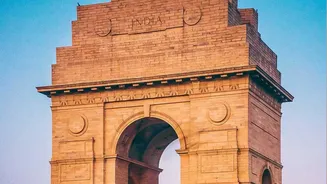
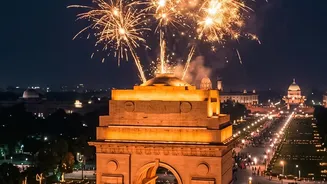
Your journey begins in Delhi, India's bustling capital. Spend a day or two exploring its two distinct sides. In Old Delhi, get lost in the narrow lanes of Chandni Chowk on a cycle rickshaw, visit the majestic Jama Masjid, and catch a glimpse of the historic Red Fort. In New Delhi, the wide, tree-lined avenues lead you to landmarks like India Gate, the serene Humayun's Tomb, and the towering Qutub Minar. The city's extensive metro system makes it easy to navigate. After exploring the capital's treasures, you'll be ready for the first leg of your train adventure.
Onwards to Agra by High-Speed Train
From Delhi's Hazrat Nizamuddin station, board one of India's fastest trains, the Gatimaan Express or a Vande Bharat service, for the journey to Agra. The trip takes just about 90 to 100 minutes, a far more relaxing alternative to the 4-hour drive. Upon arrival in Agra, you can check into your hotel and visit the imposing Agra Fort, a UNESCO World Heritage site built of red sandstone. Later, find a spot to witness the magical sunset over the Taj Mahal. The next morning, a sunrise visit to the iconic monument itself is an unforgettable experience. Remember, the Taj Mahal is closed on Fridays, so plan your trip accordingly.
Across to the Pink City: Jaipur
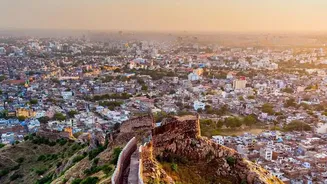
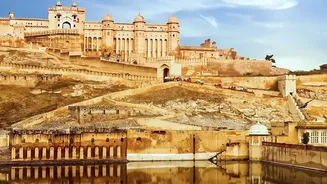
The next leg of the journey takes you from Agra to Jaipur, the vibrant capital of Rajasthan. Several daily trains connect Agra Fort station with Jaipur Junction, with the journey taking approximately four hours. This stretch crosses a landscape that feels distinctly different from the Delhi-Agra route, offering a glimpse into rural Rajasthan. Once in the 'Pink City', you can explore the majestic Amber Fort, the intricate City Palace complex, and the unique Hawa Mahal (Palace of Winds). Winter is an ideal time to explore Jaipur's bustling markets, famous for everything from block-printed textiles to traditional jewellery.
Tips for Your No-Fly Winter Journey
To ensure a smooth trip, book your train tickets well in advance, especially for popular services like the Gatimaan Express, as they fill up quickly during the peak tourist season from October to March. Tickets can be booked up to 60 days ahead on the official IRCTC website. Pack layers of clothing; while winter days are pleasant, mornings and evenings can be chilly, particularly on an early morning train. Keep a small bag with essentials like your ticket, ID, water, and snacks handy. While train travel is magnificent, be aware that dense fog in North India, especially in December and January, can sometimes cause delays to early morning trains.