




Looking for a modern hairstyle that adds height without looking stiff or over-styled? The textured quiff paired with a sharp undercut is a versatile choice that delivers volume and character, and styling it is easier than you might think.
The Modern Classic: What Is a Textured Quiff?
First, let's
define the look. A quiff is a classic hairstyle featuring shorter hair on the sides and back, with longer hair on top that is styled upward and often back at the front. The 'textured' part is the modern twist. Instead of a perfectly smooth, high-shine finish like a pompadour, a textured quiff is defined by its movement, separation, and natural, matte appearance. It’s meant to look effortlessly styled. Pairing this with an undercut—where the sides and back are clipped very short, creating a strong contrast with the length on top—results in a clean, contemporary silhouette that makes the volume on top the main focus. This combination is popular because the cut itself does most of the heavy lifting, creating a foundation that’s easy to work with.
Start at the Barber: Getting the Right Cut
Effortless styling begins with the right haircut. You can't create height and texture if the length and layers aren't there to begin with. When you sit in the barber's chair, be specific. Ask for a medium length on top, typically around three to four inches at the front, getting shorter toward the crown. Crucially, ask for it to be 'point-cut' or 'textured on top'. This technique creates layers and removes bulk, which is essential for achieving that separated, piecey look. For the sides, you can choose a 'disconnected' undercut for a bold contrast or a 'faded' undercut for a smoother transition. Clearly communicating that your goal is a textured, matte-finish style will help your barber tailor the cut for easy daily styling.
Your Essential Styling Toolkit
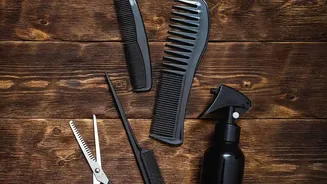
You don't need a shelf full of products, just the right ones. For a textured quiff, focus on products that offer a matte finish and flexible hold. Your core toolkit should include: a pre-styler, a finishing product, and a hairdryer. A sea salt spray is an excellent pre-styler; when applied to damp hair, it adds grit and light hold, creating a perfect foundation for volume. For your main styling product, choose a matte paste or hair clay. These provide a strong but pliable hold without the heavy shine of traditional pomades, allowing you to create that desired textured look. A hair dryer, preferably with a concentrator nozzle, is non-negotiable for achieving root lift, which is the secret to lasting height.
A Step-by-Step Guide to Easy Styling
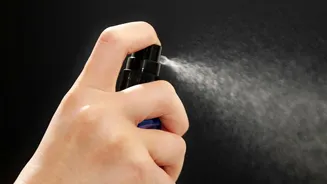
Follow these simple steps for a perfect textured quiff every time. Start with clean, towel-dried hair that is still damp, not soaking wet. Apply a few spritzes of sea salt spray, focusing on the roots to build structure. Next, grab your blow dryer. Using your fingers, lift the hair at the fringe and direct the airflow upwards and back from the roots. This step is crucial; you are training the hair to stand up. For even more volume, you can try blow-drying your hair upside down. Once your hair is completely dry, take a pea-sized amount of matte paste or clay and warm it up by rubbing it between your palms. Work the product through your hair from back to front, ensuring you get it down to the roots for maximum lift. Finally, use your fingertips to pinch and twist small sections to define the texture and arrange the quiff into its final shape.
Tips for All-Day Height and Texture
To keep your quiff looking great all day, remember that less is more. Using too much product will weigh your hair down, destroying the volume you worked to create. If your hair starts to fall flat, you can often reactivate the product by running slightly damp fingers through your hair and restyling. For those with fine hair that struggles to hold volume, a texturizing dust applied directly to the roots can provide extra grip and an instant lift. Conversely, if you have thick hair, a slightly stronger hold paste will help manage the weight. Finally, once your hair is styled, try to avoid touching it. The more you run your hands through it, the more you'll break down the product and lose volume.