





Your Body’s Unsung Hero
Before we talk about walking, let’s quickly cover the lymphatic system. Think of it as your body's sophisticated waste-removal and immune defense network. It's a series of vessels and nodes that collect excess fluid, toxins, and waste from your tissues
and helps shuttle them out. Unlike your circulatory system, which has the heart as a powerful pump, the lymphatic system is passive. It relies on external forces like deep breathing and, most importantly, muscle contractions to keep things moving. When this flow becomes sluggish, you might feel puffy, fatigued, or generally run down.
Walking: The Ultimate Lymphatic Pump
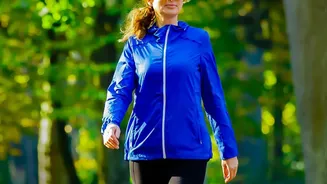
This is where walking comes in. The so-called "lymphatic walking trend" is essentially just a mindful approach to a basic human movement. Every step you take causes the muscles in your legs and core to contract and relax. This rhythmic squeezing action acts as a natural pump for your lymphatic vessels, pushing the fluid upward against gravity. It’s not a magic trick, but a fundamental physiological process. Any form of walking activates this system, but focusing on good posture, engaging your core, and allowing your arms to swing can enhance the effect. The deeper breathing that comes with a brisk walk also helps move lymph through the major pathways in your chest.
Ditch the Scale, Tune Into Your Body
Here's where expectations need a reality check. While some social media trends promise instant detoxification or fat melting, the real benefits are often more subtle and gradual. When assessing your progress, it's vital to look beyond numbers on a scale. One of the first signs that your lymphatic system is responding well is often a feeling rather than a visible change. You might notice feeling “lighter” or less heavy in your limbs. Clothes or jewellery, like rings and watches, may feel looser. That tightness or puffiness you feel at the end of the day might begin to subside. These are powerful indicators that fluid is moving more efficiently.
Better Benchmarks for Success
For those managing specific conditions like lymphedema, progress is meticulously tracked, often in centimetres. While you may not need to be that precise, you can borrow the principle. Take note of how your body feels. Is your range of motion improving? Can you move more freely without stiffness, particularly in your joints? Other non-scale victories to watch for include increased energy levels, improved skin tone, and more predictable swelling patterns from day to day. You might also notice that even if you do experience swelling after a long day, it resolves more quickly with rest. Keeping a simple journal to track these feelings and small changes can be far more motivating than obsessing over a single number.
Crafting Your Realistic Walking Plan
Consistency is far more important than intensity. Starting a new walking routine doesn't mean you need to hit 10,000 steps on day one. In fact, for some, doing too much too soon can increase swelling. If you are new to exercise, start with 15-20 minute walks and see how your body responds. Pay attention. Do you feel better, or does the activity leave you feeling more swollen and uncomfortable? Gradually increase the duration as you feel stronger. Wearing comfortable shoes and, for those with diagnosed lymphedema, properly fitted compression garments is crucial. Remember to hydrate well, as water is essential for healthy fluid circulation. The goal is to create a sustainable habit that feels good.