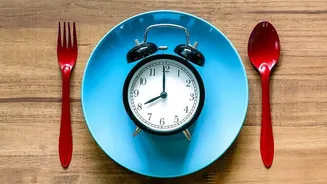







The Body Clock vs. The Work Clock
Everyone has an internal 24-hour clock, known as the circadian rhythm. This master clock, located in the brain, regulates nearly all our bodily functions, from sleep-wake cycles to hormone release and metabolism. It is primarily synchronized by light
and dark. As a diurnal species, our bodies are hardwired to be active and eat during the day and to rest and repair at night. Shift work throws a wrench in this system. Working at night exposes you to light when your brain expects darkness, and forces you to sleep when it expects light. This creates a state of chronic misalignment between your internal clock and your environment, which researchers have linked to a higher risk for obesity, diabetes, cardiovascular disease, and other metabolic issues.
What is Circadian-Aligned Eating?
Circadian-aligned eating, also called time-restricted eating (TRE), is a simple but powerful concept: it’s not just about what you eat, but when you eat. The goal is to consume all your meals and calories within a consistent window of time, ideally during daylight hours, and to fast for the remaining hours, especially overnight. For a shift worker, this might mean eating their main meal before heading to a night shift and then fasting until they get home in the morning. This approach helps to synchronize the “peripheral clocks” in your organs, like the liver and gut, with the master clock in your brain. When you eat at night, your digestive organs are being told it's 'go time' while your brain is saying it's time to sleep, causing metabolic confusion.
The Powerful Health Benefits
The science supporting this shift in meal timing is compelling. A key study found that night-shift workers who ate at night experienced a 6.4% increase in their average glucose levels, a significant risk factor for diabetes. However, when the same workers consumed their meals only during the daytime, this negative effect was completely prevented. Other research suggests that aligning eating with daylight hours helps improve insulin sensitivity, supports weight management, and can lower blood pressure. It essentially tells your body that despite the unusual work schedule, your metabolic rhythm can remain stable, counteracting many of the harmful effects of circadian disruption.
Making Daylight Meals Work for You
Adopting this lifestyle requires planning, but it doesn't have to be complicated. The primary goal is to avoid large meals between midnight and 6 a.m., when your digestive system is naturally at its slowest. A practical approach for a night-shift worker could look like this: have a substantial, balanced dinner before your shift begins. If you need energy during your shift, opt for small, protein-rich snacks like nuts, yogurt, or a hard-boiled egg instead of a full meal. Avoid sugary snacks and drinks that cause energy crashes. Upon finishing your shift, a light, healthy breakfast can help before you go to sleep. Consistency is key, even on your days off, to help stabilize your body clock.
Listen to Your Body and Adapt
The transition to a new eating schedule can take time. It is important to stay hydrated throughout your shift, as dehydration can increase feelings of fatigue. Some find a 10-hour eating window (for example, from 9 a.m. to 7 p.m.) to be effective, while others might need a slightly different schedule. The key is to create a routine that feels sustainable. Planning your meals for the week can prevent you from relying on vending machines or fast food. If fasting for the entire night shift feels too daunting at first, start by simply reducing the size of your nighttime meals and focusing on nutrient-dense foods. The most important thing is to move away from consuming large, heavy meals in the middle of the night.