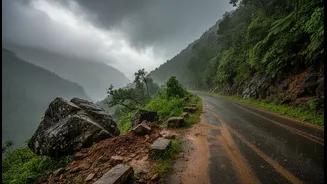









Before You Go: Plan and Research
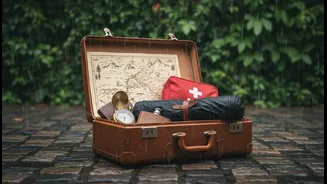
Spontaneity is great, but not when it comes to monsoon travel. Before booking anything, your first step should be to research your destination. Some areas are more prone to severe flooding and landslides. Official sources like the India Meteorological
Department (IMD) provide weather forecasts and warnings that are crucial for planning. The National Disaster Management Authority (NDMA) also issues guidelines and identifies high-risk zones, particularly in hilly regions. Opt for destinations that are generally considered safer during this season. Build flexibility into your itinerary; transport services like flights and trains can face significant delays or cancellations due to weather. Let family or friends know your travel plans and stay connected for updates from local authorities.
Pack Smart for Wet Conditions
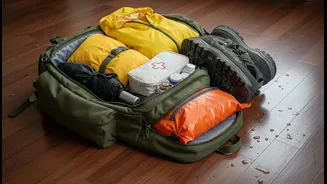
Your packing list for a monsoon trip looks different from a summer one. Prioritise items that can handle the damp. Choose lightweight, synthetic, or quick-dry clothing over heavy cottons and jeans, which take a long time to dry in humid weather. A reliable, lightweight raincoat or poncho and a sturdy umbrella are non-negotiable. For your electronics, use waterproof bags, zip-lock pouches, or a backpack with a rain cover to prevent damage. Footwear is critical; pack rubber sandals, floaters, or anti-skid trekking shoes with a good grip to navigate slippery surfaces. Avoid open-toed flip-flops that can cause you to slip or flip mud onto your legs. It’s also wise to carry a power bank, as power cuts can be more frequent.
On the Road: Driving and Transport
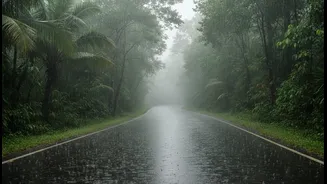
If you are driving, extra caution is paramount. Wet roads increase braking distance and the risk of skidding. Reduce your speed, maintain a safe distance from the vehicle in front, and always use your low-beam headlights for better visibility, even during the day. Never attempt to drive through a flooded street or underpass if you cannot gauge the water's depth. As little as 15-30 cm of water can be enough to cause your vehicle to stall or lose control, potentially leading to expensive engine damage. Check your vehicle's tyres, wipers, and brakes before you start. If you're relying on public transport, be prepared for delays and have backup plans. Using a local driver who is familiar with the road conditions can be a safer alternative.
Health and Hygiene: Guarding Against Illness
The monsoon season sees a spike in waterborne and vector-borne diseases like typhoid, cholera, dengue, and malaria. Your health should be a top priority. Drink only bottled, boiled, or purified water, and ensure the seal on any bottled water is intact. Be very cautious about street food, no matter how tempting. Opt for freshly prepared, hot meals from clean establishments. Raw or pre-cut foods carry a higher risk of contamination. To prevent mosquito bites, use a reliable insect repellent, wear full-sleeved clothing, especially in the evenings, and consider using a mosquito net at night. Also, change out of wet clothes as soon as possible to avoid fungal skin infections, which are common in the high humidity.
At Your Destination: Everyday Safety
Once you've reached your destination, stay vigilant. Be mindful of your surroundings, especially during or after heavy rainfall. Watch out for slippery paths, loose electrical wires, and overflowing drains. Keep a safe distance from swollen rivers, lakes, or coastal areas with rough seas. Even if you're a strong swimmer, currents can be deceptively powerful. Always carry a basic first-aid kit containing essentials like antiseptic wipes, waterproof bandages, pain relievers, and any personal medications. A small flashlight is also useful in case of power outages. By taking these simple but effective precautions, you can ensure your trip remains a pleasant and memorable one.