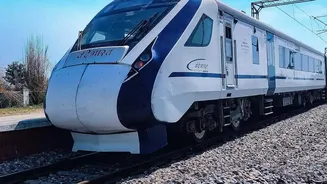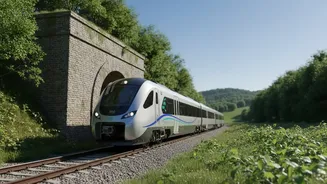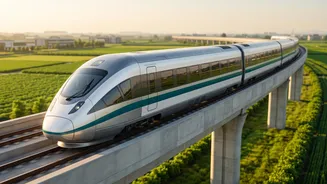


What Exactly is a Hydrogen Train?
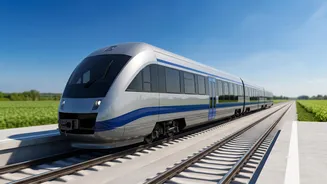
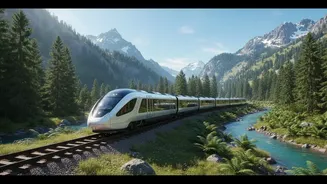
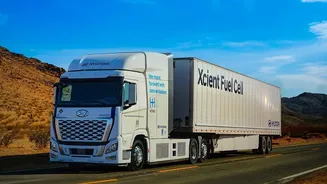
A hydrogen train is essentially an electric train that generates its own power onboard. Instead of drawing electricity from overhead wires, it uses hydrogen fuel cells. Inside these cells, a chemical reaction between stored hydrogen and oxygen from the air
produces electricity. This electricity then powers the train's motors. The only byproduct of this process is water vapour, making it a completely clean mode of transport with zero tailpipe emissions. This technology is seen as a promising way to decarbonise railway routes where electrification is difficult or not cost-effective, such as in hilly terrain or on lines with low traffic.
The 'Hydrogen for Heritage' Initiative
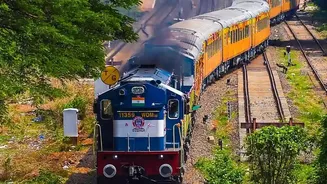
The project is a key part of Indian Railways' goal to become a Net Zero Carbon Emitter by 2030. Announced in 2023, the 'Hydrogen for Heritage' initiative plans to introduce 35 hydrogen-powered trains across several heritage routes. The strategy focuses on retrofitting existing Diesel Electric Multiple Unit (DEMU) trains with hydrogen fuel cell systems. This approach is more cost-effective than purchasing brand-new hydrogen trains from abroad and aligns with the 'Atmanirbhar Bharat' vision of indigenous development. The first pilot project was launched on the Jind-Sonipat section in Haryana in July 2026 to test the technology's viability in real-world conditions.
Why Start with Heritage Lines?
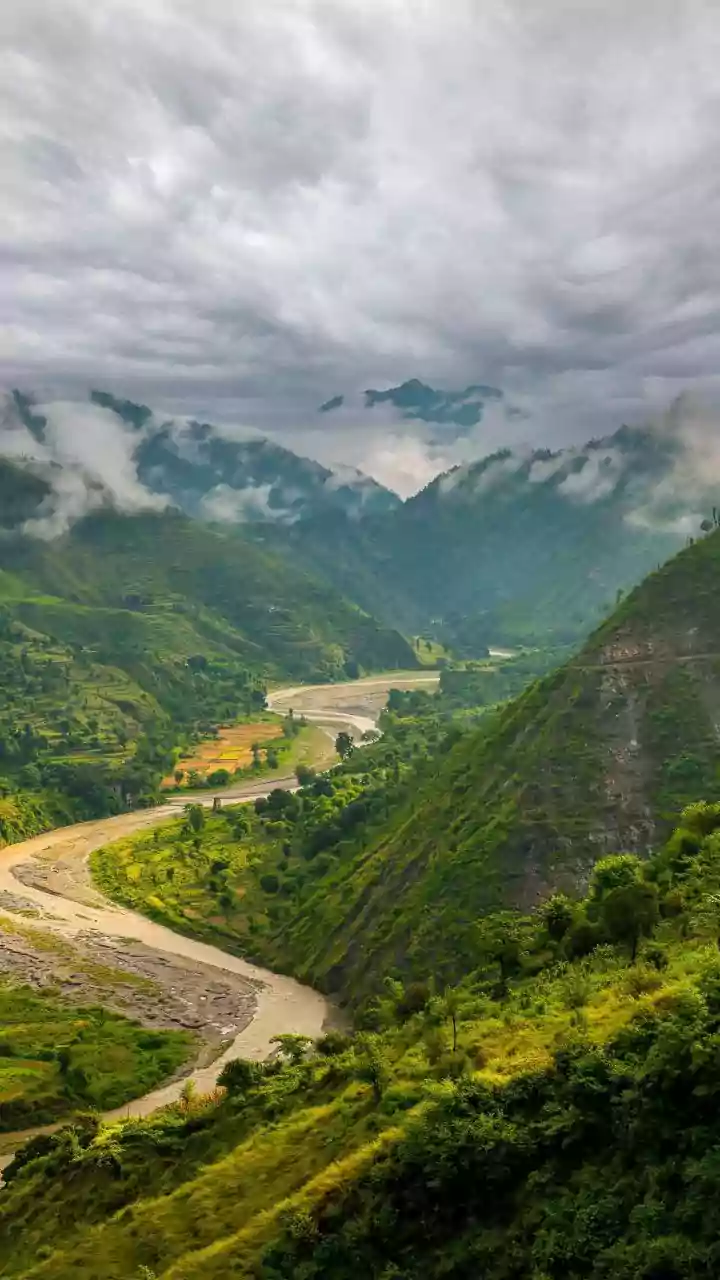
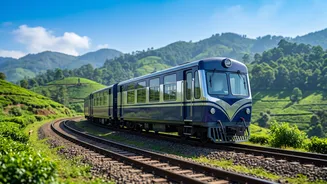
Choosing heritage lines like the Kalka-Shimla railway for this green transition is a strategic decision. These routes are often located in ecologically sensitive areas where reducing pollution and noise is a high priority. The Kalka-Shimla line, a UNESCO World Heritage site, runs through the fragile Himalayan ecosystem, making zero-emission trains an ideal solution. Furthermore, electrifying such routes with overhead cables is often impractical due to the difficult terrain and numerous tunnels, and it could detract from the line's historical aesthetic. By deploying hydrogen trains here, Indian Railways can preserve natural beauty and cultural heritage while showcasing advanced, sustainable technology to tourists and locals alike.
Progress on the Kalka-Shimla Route
Following the pilot on the Jind-Sonipat section, Indian Railways is now exploring the deployment of hydrogen trains on the Kalka-Shimla line. The plan involves establishing hydrogen gas stations at Kalka, Barog, and Shimla to support the train's operation. The Himachal Pradesh government has also urged the Union Ministry of Railways to expedite this conversion, aligning with the state's goal to become a 'green energy state' by 2026. While the project has been announced, progress on the ground has been initial, with detailed project reports still under preparation to finalise technical specifications. The goal is not only to make the journey cleaner but also potentially faster.
Challenges and the Road Ahead
Despite the promise, the path to a hydrogen-powered rail network is not without its challenges. The primary hurdle is cost. Green hydrogen, produced using renewable energy, is currently much more expensive than diesel or electricity. Building the necessary infrastructure, including production plants, storage facilities, and refuelling stations, requires significant upfront investment. The Jind-Sonipat pilot has also highlighted practical issues, such as low passenger numbers on the initial route, prompting plans to extend the service to Delhi for better utilisation. As the technology is still new for Indian conditions, ensuring safety, reliability, and operational efficiency will be crucial as the project expands from a single pilot to multiple heritage lines.