



An Impromptu, Deadly Dam
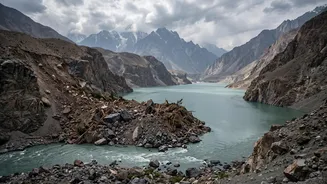
The immediate crisis began when a huge avalanche of rock and ice collapsed, choking the Lhende river, a tributary of the Bhotekoshi, near the Nepal-China border. This is not a man-made dam of concrete and steel; it's a volatile, unpredictable plug of loose
debris. Behind this impromptu barrier, a massive lake is forming, putting immense pressure on the fragile structure. Authorities on both sides of the border have raised alarms, stating that the danger of a second surge persists because the blockage has not been fully cleared, posing an ongoing threat to the Bhote Koshi and Trishuli river areas.
The Science of a Surge
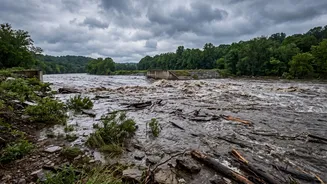
This phenomenon is known as a Landslide Dam Outburst Flood (LDOF). The mechanics are terrifyingly simple. First, a landslide or avalanche blocks a river valley. Water from the river begins to pool behind it, forming a temporary lake that can grow to an enormous size. The danger lies in the instability of the dam itself. Made of loose earth, rock, and ice, it is far weaker than a proper dam. The rising water can either overtop the barrier, quickly eroding it, or the immense pressure can cause a sudden, catastrophic failure of the entire blockage. When it breaks, it doesn't just release water; it unleashes a high-velocity torrent of water mixed with mud, boulders, and debris—a flow often described as being like liquid concrete, destroying everything in its path.
A Familiar Himalayan Hazard
For Nepal, landslide dams are a tragically familiar threat. The country's steep topography, fragile geology, and heavy monsoon rains make it one of the world's most disaster-prone regions. Major LDOF events have occurred repeatedly, such as the 2014 Sunkoshi river blockage that threatened communities far downstream into India, and a similar flood on the Bhotekoshi in July 2025. Experts say climate change is worsening the risk. As glaciers melt and permafrost thaws, mountain slopes become less stable. Furthermore, increasingly erratic and intense rainfall saturates the ground, making landslides and avalanches more frequent. This latest event on the Lhende river, which has now flooded twice in 14 months, highlights this escalating danger.
The Race Against Water
Responding to a landslide dam is a desperate race against time. Authorities are working to evacuate downstream communities, warning residents along the Bhotekoshi and Trishuli rivers to remain on high alert. The challenge is immense, as the disaster has already destroyed critical infrastructure, including roads and bridges, hindering rescue efforts. Experts and disaster management teams are using satellite imagery to monitor the precarious dam and the growing lake behind it. In some past cases, controlled breaches have been attempted, but the remote and hazardous location of this blockage makes any intervention extremely difficult. The primary focus remains on early warning and moving people to safer ground before the dam gives way.