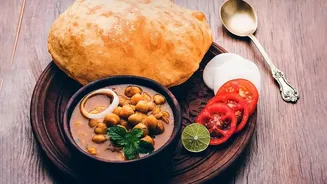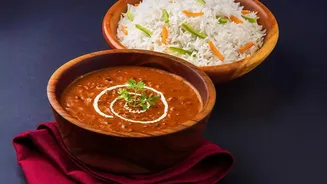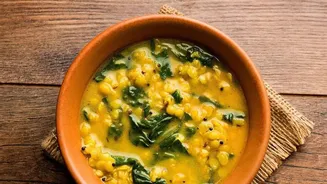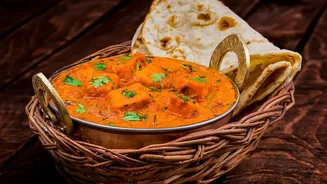


The comforting flavours of dal, sabzi, and roti are deeply woven into our lives. But a quiet revolution is happening in Indian kitchens, one that honours tradition while adapting it for modern health, bringing fresh, nutritious ideas to every meal.
An Evolution, Not a Rejection
This
nutrition reset isn't about discarding the food we grew up with. Instead, it’s a movement driven by a deeper understanding of wellness, encouraging a return to the foundational wisdom of Indian cuisine. For generations, regional diets were inherently balanced, relying on seasonal produce, a wide variety of grains, and plant-based proteins. Nutritionists and home cooks are now looking back at these principles, recognising that many traditional meals are already built on a healthy foundation of lentils, vegetables, and spices. The goal is not to replace beloved dishes, but to refine them. It’s about making small, intelligent adjustments that enhance their nutritional value without sacrificing the taste that makes them feel like home.
The Return of Ancient Grains
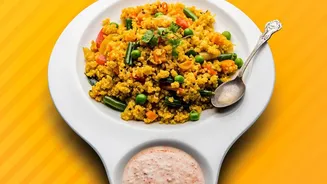
One of the most significant shifts is the move away from an over-reliance on polished white rice and refined wheat flour (maida). Ancient grains, once staples across the subcontinent, are making a major comeback. Millets like ragi (finger millet), jowar (sorghum), and bajra (pearl millet) are being rediscovered for their impressive nutritional profiles, being rich in fibre, vitamins, and minerals. These grains are incredibly versatile. A simple swap could mean making rotis from jowar or bajra flour, preparing upma with foxtail millet instead of semolina, or trying a dosa made from a ragi-based batter. This shift not only diversifies our diet but also helps in better blood sugar management and improved digestion.
Rethinking the Cooking Process
The nutrition reset also examines how we cook. While deep-frying has its place in celebratory meals, everyday cooking is seeing a move towards methods that use less oil. Techniques like grilling, steaming, baking, and air-frying are gaining popularity for preparing everything from snacks to main courses. Think of baked samosas with a whole-wheat shell, tandoori-style vegetables grilled at home, or air-fried pakoras that retain their satisfying crunch with a fraction of the fat. Even the classic tadka is being reimagined. Using moderate amounts of traditional fats like ghee or cold-pressed oils is encouraged, focusing on their flavour-enhancing properties rather than excessive use.
Prioritising Protein and Vegetables
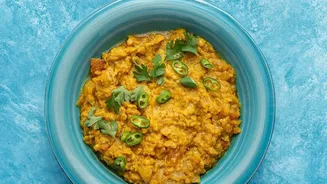
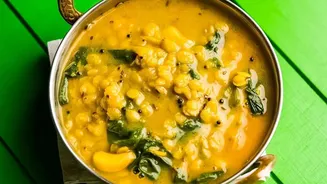
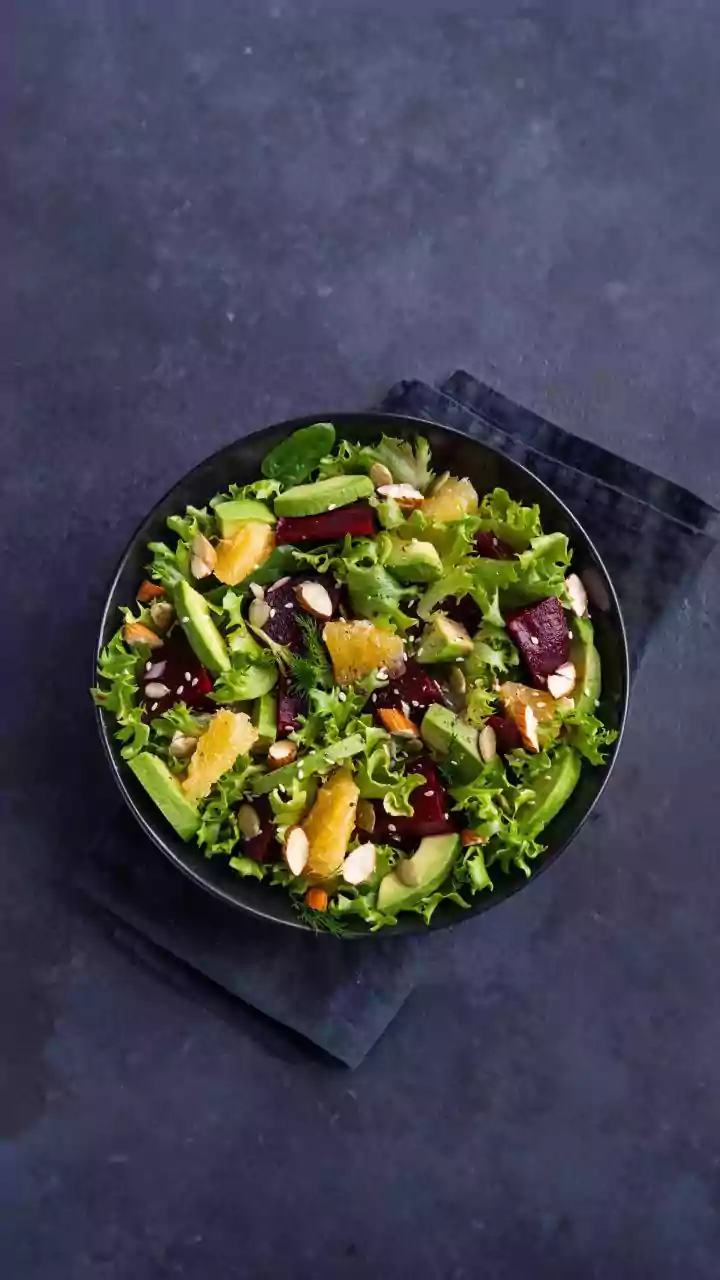
A balanced Indian plate is a colourful one, and this new approach emphasises that. The principle is simple: fill a generous portion of your plate with vegetables first. This could be a dry sabzi, a fresh salad, or lightly stir-fried greens. Beyond just being sides, vegetables are being incorporated directly into main dishes to boost their fibre and nutrient content, like adding spinach to paratha dough or grated carrots to idli batter. There is also a renewed focus on protein. While dals and legumes have always been a cornerstone, this reset encourages consciously including a protein source in every meal. Simple additions like stirring cooked moong dal or soya granules into poha, or swapping a potato filling in a paratha for paneer or sattu, can make a significant difference in satiety and muscle health.