



Weather: Your Most Important Travel Companion
Before you book a single hotel or flight for your snow holiday, your first task is to become a dedicated weather-watcher. In the Himalayas, weather is more than just a forecast; it's the force that dictates your entire experience. Heavy snowfall can lead
to road closures, cutting off access to destinations or delaying your return. The famous Gulmarg Gondola or the Auli ropeway may suspend operations in high winds or blizzards, altering your sightseeing plans. More importantly, understanding weather patterns is a matter of safety, helping you avoid hazardous conditions on mountain roads. While long-range forecasts can give you a general idea, you should check reliable sources like the India Meteorological Department and other trusted services in the days leading up to your trip for the most accurate information on temperature, snowfall probability, and any official alerts.
Timing is Everything: When to Go
The ideal window for a snow holiday in most accessible Indian destinations is generally from December to February. However, this varies significantly by location and from year to year. January and February typically offer the most reliable and deepest snow cover, making them prime months for activities like skiing. December is a popular time for festive trips around Christmas and New Year, but snowfall can be variable; some years see early, heavy snow, while others remain dry until later in the month. For those seeking a quieter experience with lingering snow and slightly milder weather, March can be a good option, especially at higher altitudes. Keep in mind that some weather models predict a warmer winter for 2026-2027 due to El Niño, which could potentially affect snowfall patterns.
Gulmarg, Kashmir: The Premier Snow Destination
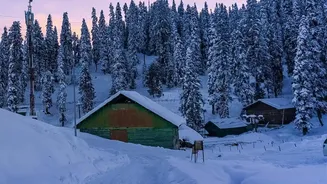
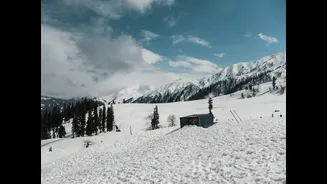
Often called India's premier skiing destination, Gulmarg in Jammu and Kashmir is a top choice for guaranteed snow and winter sports. The town sits high in the Pir Panjal range and transforms into a snowy paradise, typically from late December through March. February often sees the deepest snow, with an average weekly snowfall that is significantly higher than in other months, making it a favourite for serious skiers. The main attraction, besides the world-class slopes, is the Gulmarg Gondola, one of the highest cable cars in the world, which offers breathtaking views of the snow-covered peaks. Reaching Gulmarg involves a flight to Srinagar, followed by a road journey. During heavy snow, the final stretch from Tangmarg may require a 4x4 vehicle with snow chains.
Manali and Solang Valley: Accessible Winter Fun
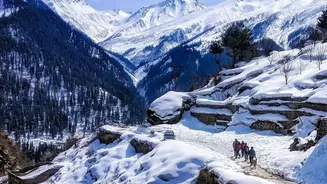
For many, especially those planning a first-time snow trip or travelling with family, Manali in Himachal Pradesh is the most accessible option. The town itself usually receives snow between late December and February, but the nearby Solang Valley, about 13-14 km away, is the hub for winter activities like skiing, zorbing, and snow scooter rides. If roads are open, a trip through the Atal Tunnel to Sissu in Lahaul can offer even deeper and more consistent snow. Manali is well-connected by road from Delhi and Chandigarh, with plenty of accommodation choices. However, its popularity means it can get crowded, especially on weekends and during the holiday season. Always check road status before heading to Solang or the Atal Tunnel, as heavy snow can cause temporary closures.
Auli, Uttarakhand: Skiing with a View
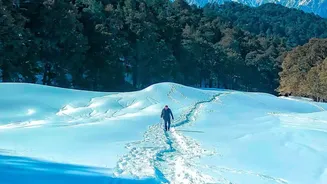
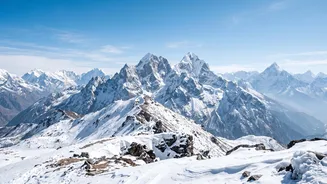
Auli, in the Garhwal Himalayas of Uttarakhand, is renowned for its magnificent ski slopes and stunning panoramic views of major peaks like Nanda Devi. Originally developed as a paramilitary base, it has become a sought-after destination for both beginner and professional skiers. The most reliable period for skiing is from mid-January to late February, when the snow base is at its deepest. While the main ropeway from Joshimath has faced operational issues, the destination is reachable by road. Compared to more crowded hill stations, Auli offers a quieter, more serene atmosphere, making it ideal for those who want to immerse themselves in a majestic mountain landscape. A typical trip requires a long drive from the nearest airport in Dehradun or railhead in Haridwar, so plan for a journey of at least 4-5 days.
Packing and Safety Essentials
Packing for a snow trip is all about layering. Thermal inners, fleece jackets, and a waterproof, windproof outer jacket are essential. Don't forget waterproof boots with good grip, as snow quickly turns to slippery ice. Woollen caps, gloves, and sunglasses are also must-haves, as the glare from the snow can be intense. Always book your accommodations and transport well in advance, as prices soar during peak season from late December to early January. Finally, keep a buffer day in your itinerary. Mountain weather is unpredictable, and delays due to road closures are a real possibility.