


Why Your Nose Gets Stuffy
Nasal congestion happens when the tissues and blood vessels inside your nose become swollen with excess fluid, leading to that all-too-familiar 'stuffy' feeling. This can be triggered by a cold, the flu, allergies, or sinus infections. The mucus in your nasal
passages, which normally acts as a protective barrier, can become thick and difficult to clear, worsening the blockage. The goal of any remedy is to soothe the irritated tissues and thin out the mucus, making it easier for you to breathe freely.
The Goldilocks Zone of Humidity
Humidity—the amount of water vapour in the air—plays a crucial role in nasal health. Both very dry and very humid air can cause problems. Dry air, common in winter months or air-conditioned rooms, can irritate your nasal passages, dry out mucus membranes, and make you more susceptible to infections. On the other hand, adding moisture to the air can help thin mucus, soothe irritated tissues, and relieve congestion. However, very high humidity isn't ideal either. It can promote the growth of mould and dust mites, which are common allergens that can trigger or worsen congestion. Most experts, including the US Environmental Protection Agency, recommend keeping indoor humidity levels between 30% and 50% for optimal comfort and respiratory health.
Harnessing Steam and Moisture
There are several simple and effective ways to use humidity to your advantage. One of the most popular methods, especially in Indian households, is steam inhalation. Pouring hot water into a bowl, covering your head with a towel, and breathing in the steam for 10-15 minutes helps moisten nasal passages and loosen mucus. Adding a few drops of eucalyptus or peppermint oil can enhance the effect. Taking a hot shower or bath can turn your bathroom into a temporary steam room with similar benefits. You can also simply sip on a hot cup of tea or soup, as inhaling the steam while you drink can help.
Using a Humidifier Safely
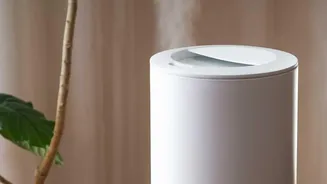
A humidifier is a device that adds moisture to the air and can be very effective for relieving congestion, especially overnight. For safety, particularly in homes with children, cool-mist humidifiers are generally recommended over warm-mist versions to avoid the risk of burns. To get the most benefit, place the humidifier in the room where you spend the most time, like your bedroom. It's crucial to clean the device daily according to the manufacturer's instructions, as standing water can breed bacteria and mould. Using distilled water instead of tap water can also prevent mineral buildup and the release of white dust into the air.
When Humidity Can Worsen Congestion
While balanced humidity is helpful, excessively humid conditions can backfire. High humidity, especially above 60%, creates a perfect breeding ground for allergens like mould and dust mites. For individuals with allergies, this can lead to increased inflammation and persistent congestion. The air in very humid environments can also feel heavier, making breathing feel more difficult for some people, particularly those with underlying respiratory conditions like asthma. If you live in a naturally humid climate, like during the monsoon season, using a dehumidifier to maintain that 30-50% humidity sweet spot might be more beneficial.
More Natural Ways to Find Relief
Beyond humidity, other home remedies can help you breathe easier. Staying hydrated by drinking plenty of water and warm fluids like herbal teas helps thin mucus from the inside out. Applying a warm compress to your forehead and nose can help ease sinus pressure and pain. You can also try a saline nasal spray or rinse, which helps to flush out mucus and allergens from your nasal passages, providing gentle relief without medication.