





A Year of Connecting India to the World
Throughout 2026, Indian and international airlines have been aggressively expanding their networks, launching a host of new non-stop routes that connect Indian cities to global destinations. This boom is driven by a confluence of factors: soaring post-pandemic
travel demand, a growing economy, the strategic expansion of airline fleets, and a clear policy focus on improving international connectivity. For passengers, this has translated into more choices, greater convenience, and the ability to bypass traditional layovers in Middle Eastern or European hubs, which have historically added hours to intercontinental journeys. The result is a travel landscape that looks vastly different from just a few years ago, with India solidifying its position as a rapidly growing aviation market.
National Carriers Lead the Expansion
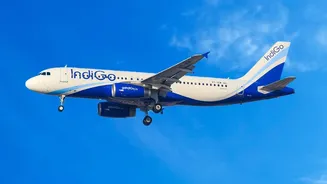
At the forefront of this expansion are India's own carriers. Air India, under its new ownership, has been particularly active. The airline launched new services to East Asia, including a five-times-weekly flight from Delhi to Hanoi in May and a four-times-weekly service from Mumbai to Tokyo's Haneda airport in June. Its low-cost arm, Air India Express, also added numerous routes to the Gulf from cities like Bengaluru, Hyderabad, and Indore. It even became the first airline to connect Northeast India directly with the UAE with flights from Guwahati to Dubai and Abu Dhabi. IndiGo, India's largest carrier, has also made significant moves, launching direct flights from Delhi and Mumbai to Athens in January using its new long-range Airbus A321XLR aircraft. Other notable additions in early 2026 included routes like Varanasi to Bangkok and Kolkata to Shanghai.
Foreign Airlines Deepen Their India Focus
The growth story isn't limited to Indian airlines. Foreign carriers have also been keen to tap into the burgeoning Indian market. Scandinavian Airlines (SAS) made a significant return to India by launching a direct service between Mumbai and Copenhagen. SWISS International Air Lines announced a new direct flight connecting Bengaluru with Zurich, starting in October 2026. Meanwhile, Taiwanese carrier EVA Air is set to resume its India operations in December 2026 with a new route to Delhi, opening up another transit option for travel to the US. These additions demonstrate a strong international confidence in the Indian travel market's potential for both leisure and business traffic.
Connecting India's Emerging Cities
Perhaps one of the most significant trends of 2026 is the growing international connectivity from India's Tier-2 cities. For years, travellers from these cities had to take a domestic flight to a major metro before flying abroad. That is now changing. New routes like Air India Express's service from Indore to Abu Dhabi and from Guwahati to the UAE are prime examples. The government's 'Hub and Spoke' model, launched this year, aims to streamline this process further. The first service under this model connected Varanasi to multiple international destinations via Delhi, allowing passengers to complete immigration and baggage formalities at their origin airport. This initiative is set to expand, bringing global access closer to millions of people living outside the traditional metro hubs.
Challenges and the Road Ahead
While the expansion in 2026 has been impressive, it hasn't been without its challenges. Geopolitical tensions and airspace restrictions caused some schedule adjustments and suspensions during the summer. For instance, IndiGo ended its damp-lease agreement for Boeing 787 aircraft used on some European routes, citing the difficult operating environment, though it remains committed to its long-haul ambitions with its own Airbus A350 orders. Similarly, Air India had to temporarily operate its US-bound flights with a refuelling stop before resuming non-stop services in November as airspace restrictions eased. Despite these hurdles, the overall trend remains overwhelmingly positive. The massive fleet expansions by Indian carriers and the arrival of new, more efficient long-range aircraft are set to continue driving growth into 2027 and beyond.