





The Problem with Hangers
It might seem like the tidiest option, but hanging is the number one enemy of heavy knitwear. Wool, cashmere, and other knits are constructed from interlocking loops of yarn. This structure gives them their signature softness and stretch. However, when
you place a heavy sweater on a hanger, you’re asking two small points on the shoulders to bear the entire weight of the garment. Gravity inevitably takes over, pulling the delicate fibres downward. Over time, this constant strain leads to stretched-out shoulders with those dreaded pointy 'hanger horns', a distorted neckline, and a longer, sagging body. Lighter knits may sometimes be hung if folded over a padded hanger, but for your chunky, heavy woollens, folding is the only way to go.
The Art of the Perfect Fold
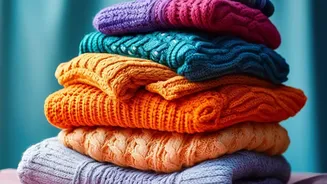
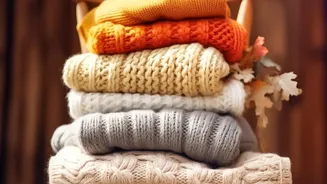
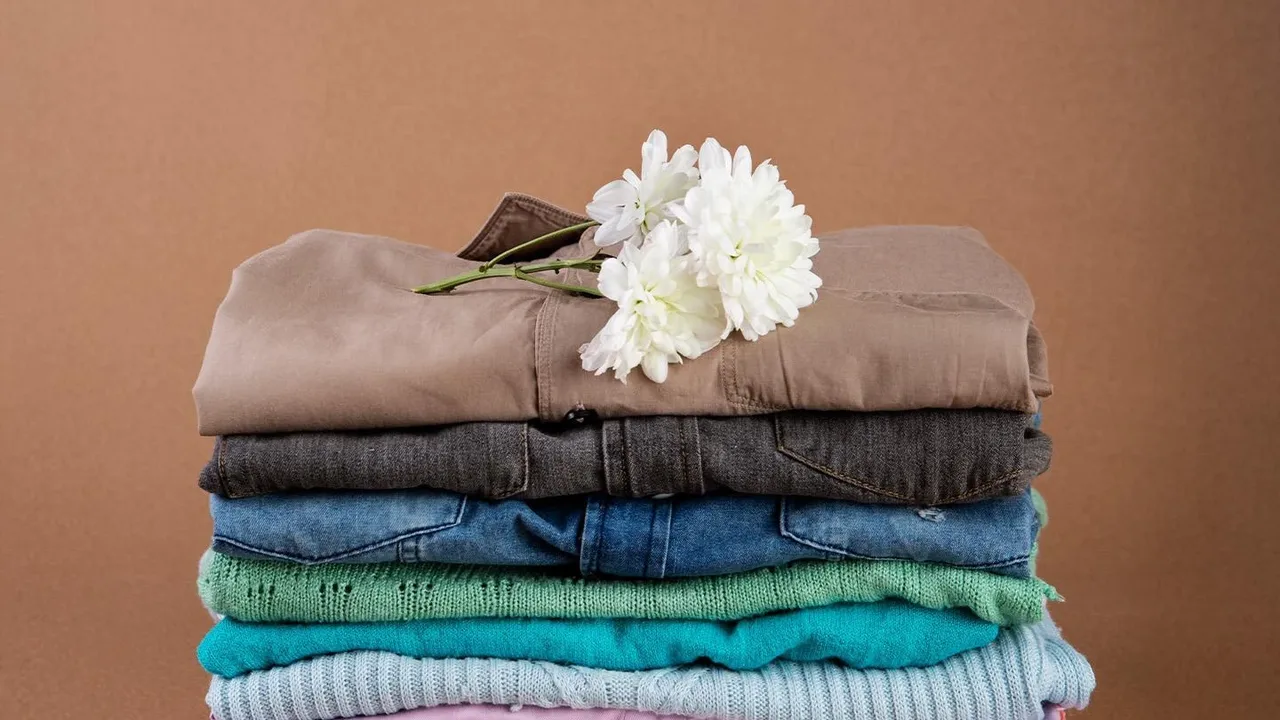
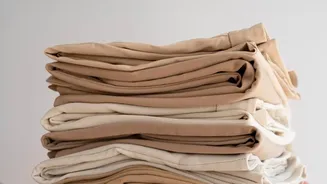
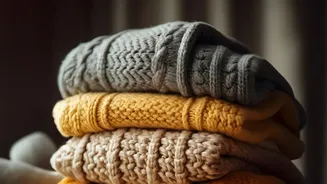
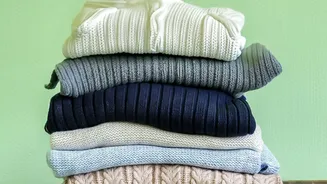
Folding a sweater isn't just about making it fit in a drawer; it's about providing even support to the entire garment. The best method is the 'file fold'. Start by laying your sweater face-down on a flat surface like a bed or clean floor. Smooth out any wrinkles. Fold one sleeve straight across the back of the sweater, then fold the other sleeve over it. Now, you have a long rectangle. From here, fold the bottom third of the sweater up, and then fold the top third down over it. This creates a compact, stable rectangle that prevents a hard crease from forming down the middle. This technique allows you to store sweaters vertically in a drawer, like files in a cabinet, making it easy to see and grab the one you want without toppling the whole pile.
Clean Before You Store
One of the most crucial steps before storing your woollens for the season is to ensure they are clean. Even if a garment looks clean, invisible traces of skin cells, oils, and food particles can attract pests like clothes moths. These pests' larvae feed on the protein fibres of the wool, leading to tiny, heartbreaking holes in your favourite pieces. Always wash your knitwear according to the care label before putting it away. For many wool items, this means a gentle hand wash with a wool-specific detergent in cool water or a delicate machine cycle. Never wring out a sweater; instead, gently press out the excess water.
Drying and Storage Savvy
How you dry your woollens is just as important as how you wash them. Never hang a wet sweater, as the weight of the water will cause it to stretch severely. Always lay it flat on a clean towel or a mesh drying rack, reshaping it gently to its original dimensions. Keep it away from direct sunlight or heat, which can cause damage. Once completely dry, it’s ready for storage. Choose a cool, dark, and dry place. Breathable storage is ideal, so opt for cotton garment bags or canvas bins over airtight plastic containers, which can trap moisture and lead to mildew. For extra protection against moths, add natural repellents like cedar blocks or lavender sachets to your storage area.