





What the Weather Gods Have in Store
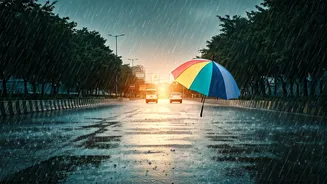
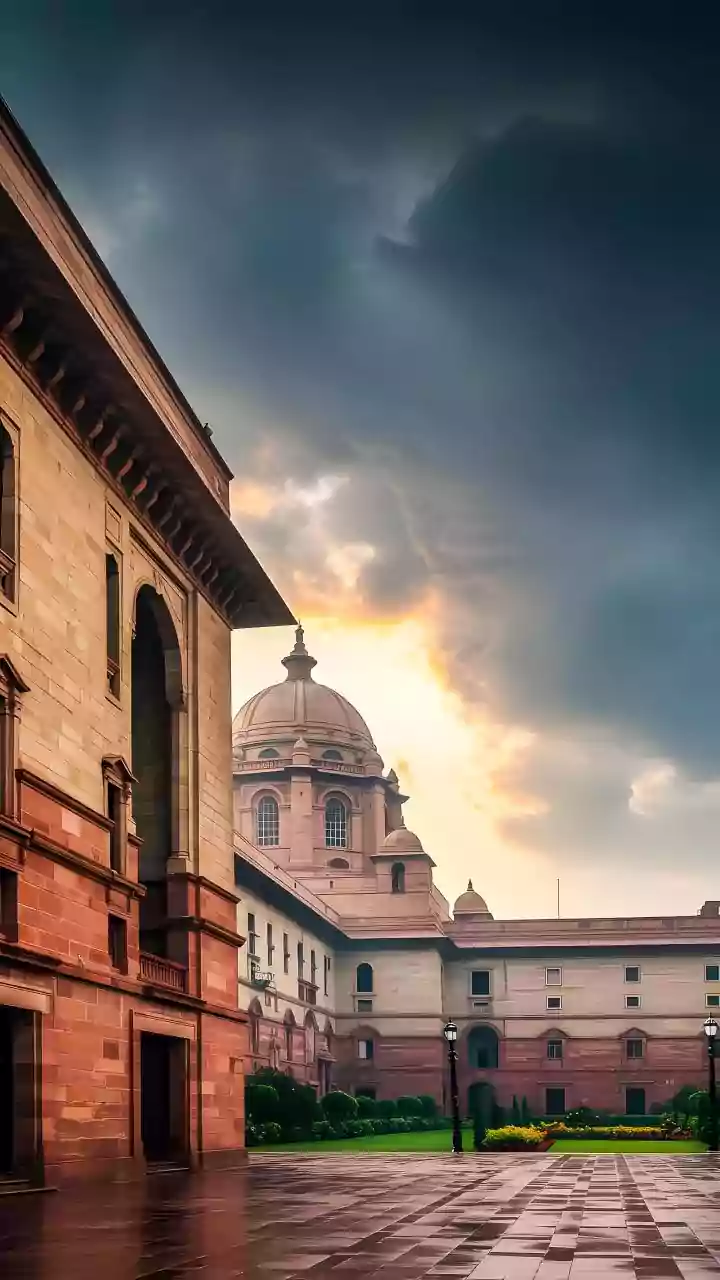
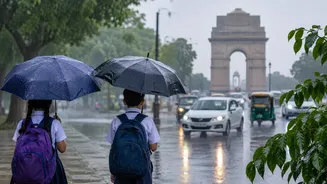
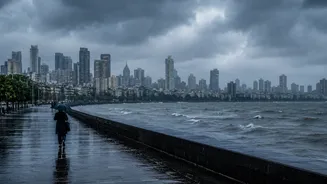
The India Meteorological Department (IMD) has signalled the advance of the southwest monsoon over the region. For July 1, forecasts predict a generally cloudy sky with spells of light rain, thunderstorms, and gusty winds, which could reach speeds of 40-50
kmph. Residents can expect a significant drop in temperatures, with maximums falling from the recent highs of over 40°C to around 32-34°C in the coming days, providing much-needed respite. However, the forecast also includes isolated heavy rainfall between July 1 and 3, meaning the city should brace for more intense downpours. While the rain is a relief, some forecasts suggest that overall rainfall for July might be below normal for the country as a whole.
The Perennial Problem: Waterlogging Hotspots
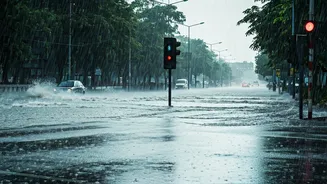
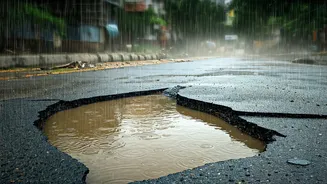
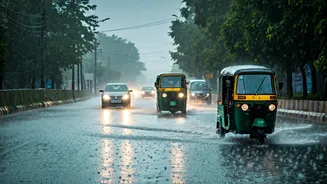
Every year, heavy rains transform parts of the city's road network into impassable waterways. Ahead of this monsoon season, the Delhi government has identified 169 locations prone to waterlogging based on past experiences, with many of these spots currently under close monitoring. This includes a total of 445 hotspots mapped using traffic police data from previous years. Key vulnerable areas to be wary of include underpasses, which are notoriously quick to flood. Nine underpasses, including the ones at Minto Bridge, Zakhira, Dwarka, Moolchand, and Pul Prahladpur, have been flagged as particularly susceptible. Other well-known problem areas include the ITO crossing, stretches near the Delhi Secretariat, Rajghat crossing, and Bahadur Shah Zafar Marg. In Gurugram, authorities have identified 155 such hotspots and are working on desilting drains to mitigate the issue.
Your Monsoon Commuting Guide
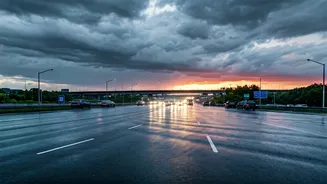
Navigating the city during a downpour requires patience and planning. The Delhi Traffic Police often issues advisories during heavy rain, urging commuters to plan their journeys in advance and, if possible, use staggered timings. Before you even leave the house, check for real-time traffic updates on navigation apps and the official social media handles of the traffic police. It is wise to have alternative routes mapped out. Public transport, particularly the metro, is often a more reliable option. If you are driving, ensure your vehicle is monsoon-ready: check your tyres, brakes, and wipers. While driving through waterlogged areas, maintain a steady, low speed to avoid your engine stalling. Do not attempt to restart the engine if the vehicle stops in deep water, as it can cause severe damage. Carrying important documents and electronic gadgets in waterproof bags is also a sensible precaution.
Staying Safe and Healthy at Home
The monsoon's challenges aren't limited to the roads. The season brings an increased risk of waterborne and vector-borne diseases like dengue, malaria, and chikungunya. To protect your family, ensure there is no stagnant water collecting in or around your home, as these are breeding grounds for mosquitoes. Use mosquito repellents and nets. It's also a time to be extra cautious about what you eat and drink. Avoid street food and ensure drinking water is clean and filtered, as contamination risks are higher during this period. Electrical safety is another major concern. Stay away from electrical poles and installations, and caution children against playing near them. It's advisable to have a tester at home to check for any current leakage from wet switches or appliances before touching them.