



The Big Picture: A Weaker Monsoon in August
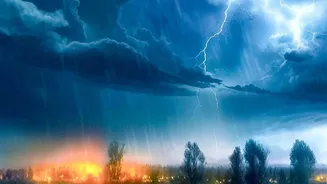
The latest outlook from the IMD suggests that rainfall across India for August 2026 is likely to be 'below normal', which is defined as less than 94% of the long-period average. This is partly attributed to moderate El Niño conditions which can suppress
monsoon activity. However, 'below normal' does not mean no rain. Active monsoon conditions are still expected across large parts of the country, with widespread showers and thunderstorms predicted. It simply means the overall volume of rain for the month may be less than average, though temperatures are expected to remain above normal for most regions. Travellers should prepare for warm, humid conditions punctuated by sudden showers.
Northern Hills: Beauty with a Side of Caution
For those heading to the mountains of Himachal Pradesh and Uttarakhand, the monsoon paints a picture of lush, green landscapes. However, this beauty comes with a warning. The IMD has forecast continued rainfall, including isolated heavy spells, for the Himalayan region in the week leading up to Independence Day. While popular destinations like Shimla, Manali, and Nainital are tempting, travellers must be extremely cautious. Monsoon rains in the hills increase the risk of landslides and flash floods, which can disrupt travel and pose safety risks. It is crucial to check local advisories, road conditions, and weather alerts before and during your trip. Some parts of the far north, like Ladakh, remain relatively dry and are a safer bet for mountain travel in August.
Delhi and the Plains: Cloudy with a Chance of Showers
Holidaymakers in the national capital and surrounding plains of Punjab, Haryana, and Uttar Pradesh can expect generally cloudy skies. The forecast for Delhi on Independence Day indicates the possibility of light rain or thundershowers, rather than a continuous downpour. Temperatures will likely be warm and conditions humid between rain spells. Outdoor events and celebrations are likely to proceed but could be interrupted by passing showers. The weather is not expected to cause major disruptions, but it’s wise to carry an umbrella if you are planning to be outdoors for flag hoisting ceremonies or other events.
West Coast and Central India: Embracing the Downpour
The Western Ghats, including popular destinations in Maharashtra and Goa, are in the heart of their monsoon glory. Expect heavy rainfall in Mumbai, Goa, the Konkan coast, and hill stations like Lonavala and Mahabaleshwar. While the region becomes breathtakingly green with active waterfalls, it’s not the destination for beach-centric activities. Travel can be impacted by intense spells of rain, and national parks in central India are typically closed during this time. However, for those who enjoy the romance of the monsoon, these areas offer a unique experience with fewer crowds and lush scenery. But be prepared for very wet conditions.
Southern Sojourn: A Tale of Two Coasts
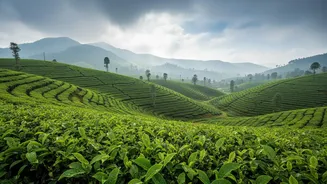
The weather story in South India varies significantly. The west coast, including Kerala, will continue to receive heavy monsoon showers, making it a paradise for those who love the rainy season's lushness but less ideal for beach holidays. Tourist spots like Munnar and Wayanad will be misty and green. In contrast, the southeastern coast, particularly Tamil Nadu, lies in a rain shadow area during the southwest monsoon and experiences significantly less rainfall in August. This makes places like Pondicherry and the temple towns of Tamil Nadu a viable option for travellers looking for drier, though still hot and humid, conditions.
Eastern and Northeastern India: Expect Heavy Rain
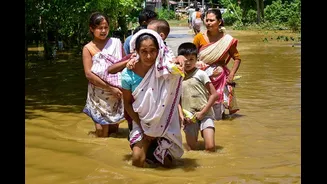
The eastern and northeastern states, including West Bengal, Odisha, Assam, and Meghalaya, are predicted to receive significant rainfall. The IMD has forecast heavy to very heavy rainfall in these regions in the days leading up to the holiday. This is a high-rainfall zone during the monsoon, and travellers should be prepared for potential travel disruptions, waterlogging, and intense showers. It is a period when the natural beauty of the region is at its peak, but it demands careful planning and flexibility from any holidaymaker.