







More Than Just a Digestive Aid
When most of us think of fibre, we think of one thing: digestive regularity. And while it’s true that fibre is essential for a healthy digestive system, focusing only on that is like praising a smartphone for only making calls. The truth is, dietary fibre is a multi-talented
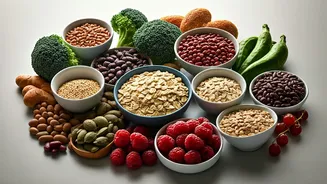
hero for our overall health. Found in plant-based foods like dals, vegetables, fruits, and whole grains, fibre is a type of carbohydrate that our body can't digest. Instead of being broken down, it travels through our system, performing a series of crucial jobs that impact everything from our heart to our immune system.
The Gardener for Your Gut
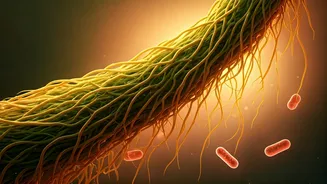
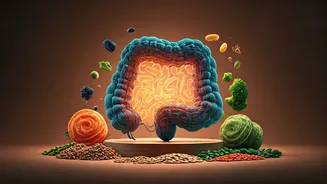
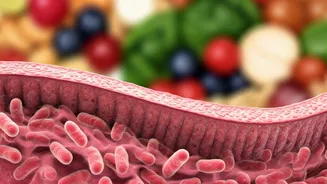
One of fibre’s most important roles is as a 'prebiotic'. Think of your gut as a garden, home to trillions of tiny bacteria. Just like a garden needs good soil and nutrients to flourish, your gut bacteria need food to thrive. That food is fibre. Specifically, soluble fibre dissolves into a gel-like substance that feeds the beneficial bacteria in your colon. A healthy, well-fed gut microbiome is linked to a stronger immune system, better mood, and reduced inflammation throughout the body. So, eating a high-fibre diet is like hiring a master gardener for your internal ecosystem.
A Master of Blood Sugar Control
In a country where diabetes is a growing concern, fibre’s role in blood sugar management cannot be overstated. When you eat a meal, especially one high in carbohydrates, your blood sugar can spike and then crash, leading to energy slumps and cravings. Soluble fibre slows this process down. By forming a gel in the stomach, it slows the absorption of sugar into the bloodstream. This leads to more stable blood sugar levels, sustained energy, and a reduced risk of developing type 2 diabetes. Adding fibre-rich foods like oats, beans, or apples to your meals is a simple yet effective strategy for keeping your energy and your health in balance.
The Heart-Healthy Hero
Your heart loves fibre, too. Certain types of soluble fibre have been shown to have a significant impact on cholesterol levels. It works by binding with cholesterol particles in your digestive system and removing them from the body before they get absorbed into the bloodstream. This can lead to lower levels of 'bad' LDL cholesterol, a major risk factor for heart disease. Foods like barley (jau), psyllium husk (isabgol), and legumes (dals and chana) are particularly effective. It’s a natural, food-based way to support long-term cardiovascular health.
The Secret to Feeling Full and Satisfied
Fibre is also a powerful ally in weight management. Because it’s indigestible and absorbs water, it adds bulk to your meals without adding calories. This has two key benefits. First, it physically fills your stomach, which sends signals to your brain that you are full. Second, as mentioned earlier, it slows down digestion. This combination means you feel satisfied for longer after a meal, reducing the likelihood of snacking on less healthy options between meals. A salad with leafy greens and vegetables before your main meal is a classic tactic that uses this very principle.
Easy Ways to Boost Your Intake
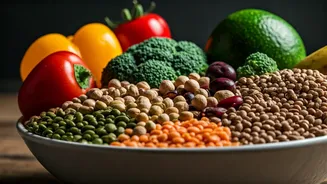
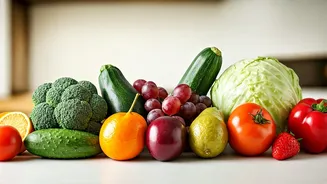
Getting more fibre doesn’t require a drastic diet overhaul. It's about making small, smart swaps. Choose whole wheat roti over white naan. Start your day with dalia or oats instead of a processed cereal. Snack on a handful of nuts or a piece of fruit like a guava or pear instead of biscuits. Make sure every meal includes a generous portion of vegetables and at least one serving of dal or legumes. Embrace millets like ragi and jowar, which are not only traditional to the Indian diet but are also packed with fibre. The key is consistency, not perfection.