

Ladakh's Essential Brew: Gur Gur Cha
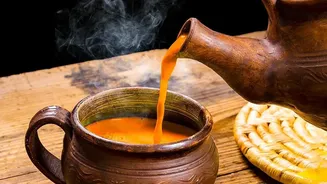
In the high-altitude desert of Ladakh, tea is more than a beverage; it's a source of vital energy and warmth. The most iconic Ladakhi drink is Gur Gur Cha, or butter tea. Its name mimics the sound of the 'chandong', a traditional wooden churner used to
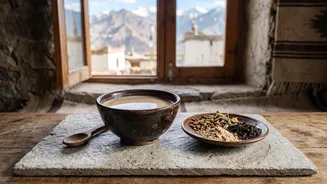
blend the ingredients. To prepare it, strong tea leaves are boiled, sometimes for hours, to create a potent concentrate. This is then vigorously churned with yak butter and salt, creating a creamy, frothy, and savoury pinkish brew. The high fat content from the butter provides essential calories needed to combat the harsh, cold climate, while the salt helps with hydration and electrolyte replenishment in the dry air. For visitors, the taste can be surprising—more like a thin, salty soup than a typical tea. But for locals, it’s a symbol of hospitality, served at all social gatherings and often enjoyed for breakfast with a round, thick-crusted local bread called Khambir.
The Other Teas of Ladakh
While butter tea is the most famous, Ladakhi beverage culture also includes other unique preparations. A simpler, non-churned version called Khunak, or salted black tea, is popular, especially in the Kargil region. Beyond traditional tea, Ladakhis make use of the region's unique flora. The bright orange Seabuckthorn berry, which grows wild, is used to make a tangy and vitamin-rich juice. Another local specialty is a nourishing drink made from apricots, or 'chuli' as they are known locally. Sometimes referred to as Chuli Chhu, this apricot nectar is a sweet and refreshing counterpoint to the region's more savoury drinks. These herbal and fruit-based drinks showcase the resourcefulness of Ladakhi cuisine, transforming scarce local resources into comforting and healthful beverages.
Sikkim's Garden Treasure: Temi Tea
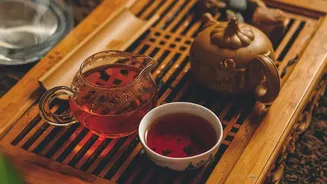
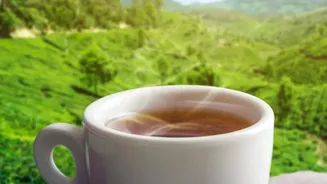
Journeying east to Sikkim, the tea landscape changes dramatically from savoury brews to delicate, aromatic infusions. Sikkim is home to the famous Temi Tea Garden, a government-owned estate known for producing some of the world's most exclusive organic teas. Unlike the robust brews of Ladakh, Sikkim tea is often compared to its famous neighbour, Darjeeling, but possesses its own distinct character. It's celebrated for being medium-bodied with bright, floral notes, hints of orchid, and a natural sweetness. The tea produced here varies with the seasons, or 'flushes'. The first flush in spring is light and floral, while the autumn flush offers warmer, spicy notes. While most production focuses on black tea, the estate also produces delicate white teas, floral green teas, and complex oolongs.
Spice and Smoke in the Himalayas
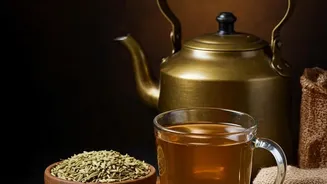
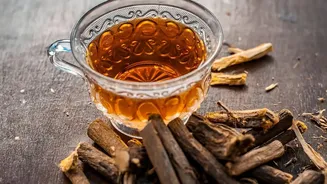
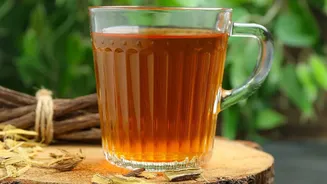
The headline's promise of 'smoked herbal brews' points to a fascinating, though not widespread, tradition in the broader Himalayan region. While not a common practice in Ladakh or Sikkim specifically, other nearby areas like Nagaland and Arunachal Pradesh have ancient traditions of smoking tea. The Singpho and Naga tribes, for instance, pack pan-fried tea leaves into bamboo tubes and hang them over a fireplace. The smoke from the hearth slowly dries and infuses the tea, a process that can last for weeks, resulting in a brew with a potent, campfire-like aroma and earthy flavour. In Sikkim, infusions are more about spice than smoke. The state is India's largest producer of cardamom, and this prized spice often finds its way into local tea preparations, lending a fragrant warmth that complements the tea's natural character.