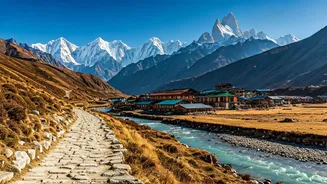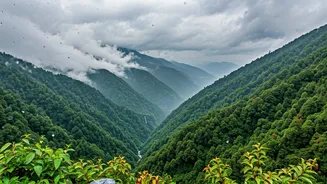



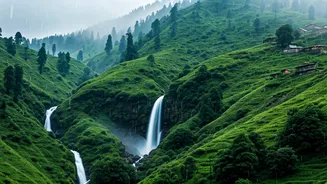



Why Visit Sikkim in the Monsoon?
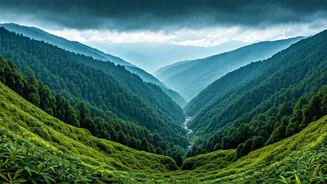
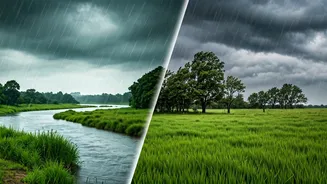
While many travellers avoid the rains, the monsoon season (June to September) unveils a unique side of Sikkim that is often missed. The primary advantage is the profound peace and quiet. With fewer tourists, popular spots become serene escapes, allowing
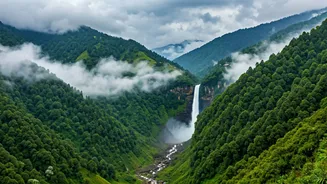
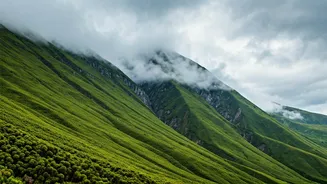
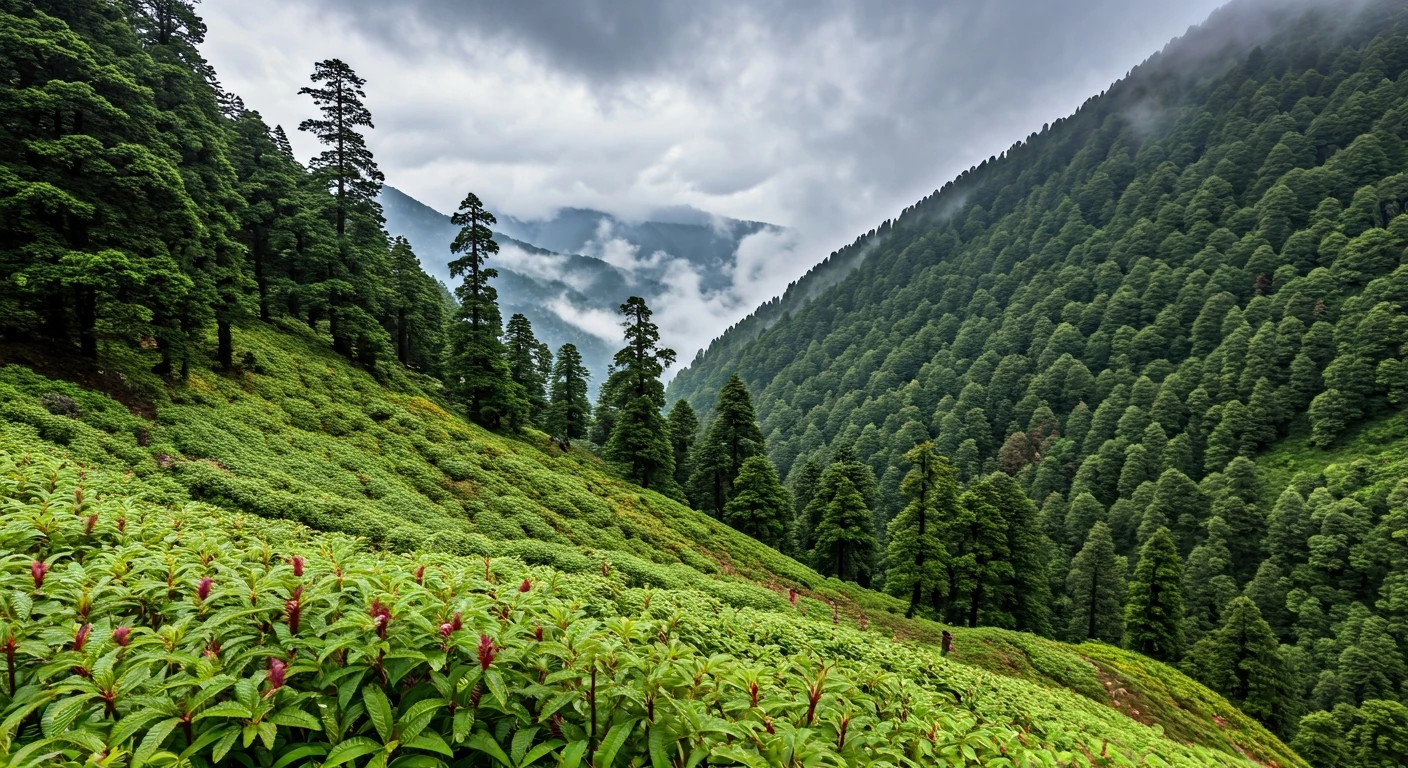
for more meaningful interactions and uninterrupted views. This is also a budget-friendly time, with significant discounts on hotels and transport. The landscape transforms into a lush paradise, with clouds floating through valleys and waterfalls gushing with life. The air is crisp and clean, and the vibrant greenery is a photographer's dream. It’s the perfect setting for those who appreciate slow travel and wish to experience the state’s natural beauty in its most dramatic and refreshing form.
Where to Go: Safe and Serene Destinations
Safety is paramount during the monsoon due to the risk of landslides. It's crucial to stick to more accessible and stable regions. South and West Sikkim are generally considered the safest bets. Gangtok, the capital, serves as a great base with its well-maintained roads and amenities. From there, explore nearby places like the Enchey Monastery, which feels mystical when shrouded in mist. Pelling in West Sikkim offers breathtaking views and is known for the historic Rabdentse Ruins. In the south, Ravangla and Namchi are excellent choices. You can visit the tranquil Buddha Park in Ravangla or the towering statues at Namchi's Char Dham complex, which often emerge dramatically from the clouds. It is strongly advised to avoid North Sikkim, including Lachen, Lachung, and Gurudongmar Lake, as these high-altitude areas are frequently inaccessible due to road closures and landslides.
Monsoon-Friendly Activities
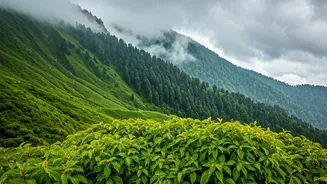
A monsoon trip is less about ticking off a long list of sights and more about soaking in the atmosphere. Spend your days exploring Sikkim's beautiful monasteries like Rumtek near Gangtok or Pemayangtse in Pelling. The rain provides the perfect excuse to settle into a cozy local cafe and savour a hot cup of Temi tea or enjoy a warm bowl of Thukpa. Short, gentle walks are still possible when the rain subsides; the paths through villages like Yuksom or Darap offer a glimpse into local life amidst verdant surroundings. Visiting a tea garden, like the Temi Tea Garden, is another fantastic option, as the slopes look incredibly lush and green during this season. For a truly peaceful experience, simply find a hotel with a good view, a comfortable balcony, and a great book, and watch the clouds and rain dance over the mountains.
Essential Packing and Travel Tips
Packing correctly is key to a comfortable monsoon journey. A high-quality waterproof jacket or poncho and sturdy, waterproof shoes with good grip are non-negotiable. Opt for quick-dry clothing, as cotton takes a long time to dry in the humid weather. It’s also wise to carry a waterproof cover for your backpack and dry bags for electronics. When travelling, always hire an experienced local driver who knows the mountain roads and potential alternate routes. It is crucial to keep your itinerary flexible. Build in buffer days to account for potential delays caused by weather or road blocks. Before you travel, and each morning of your trip, check the local weather forecasts and road conditions. Finally, carry a basic first-aid kit, insect repellent, and any personal medications you might need.