


A World Washed Anew
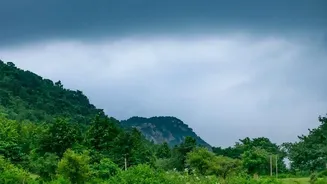
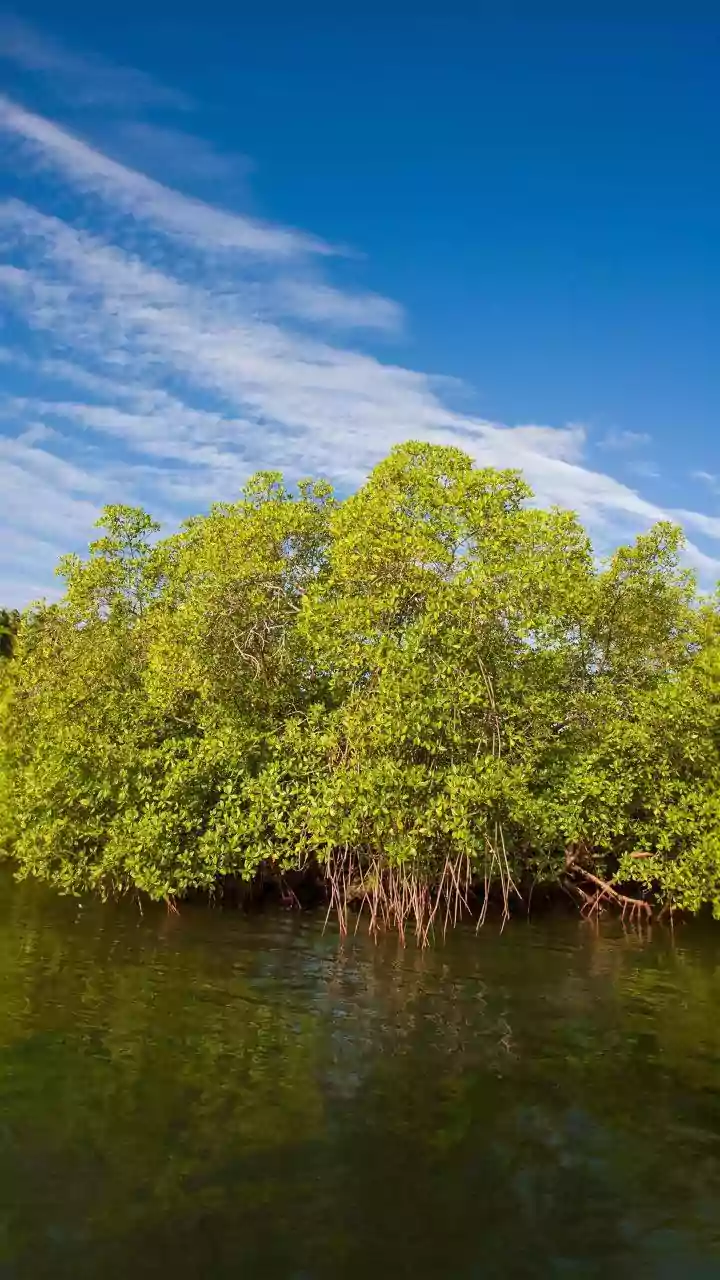
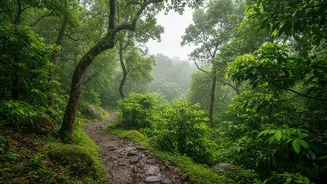
The single most dramatic change the monsoon brings is the colour green. After the dry, dusty summer, the August rains rejuvenate India's forests, turning them into a lush, emerald paradise. The air is thick with the smell of wet earth, and the landscape,
free from dust, offers incredible clarity for photography. The overcast skies create soft, diffused light, perfect for capturing the vibrant flora and fauna without the harsh shadows of the peak season. Every leaf and blade of grass glistens, providing a stunning, saturated backdrop for wildlife that makes for unforgettable images and an atmospheric safari experience. This revitalised ecosystem is not just a visual treat; it's the foundation for all the unique wildlife activity that makes August special.
Unique Animal Behaviour and Breeding Season
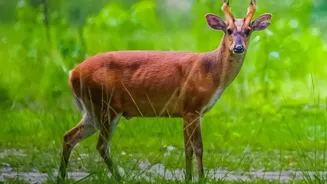
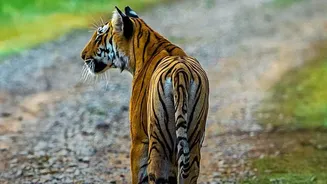
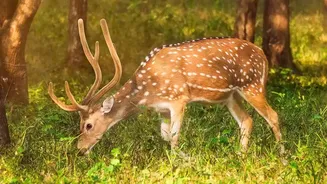
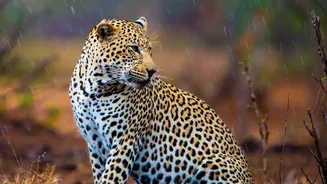
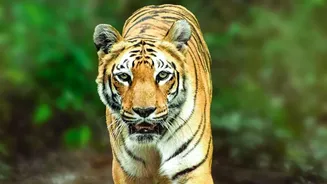
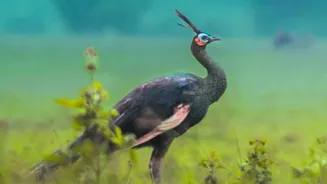
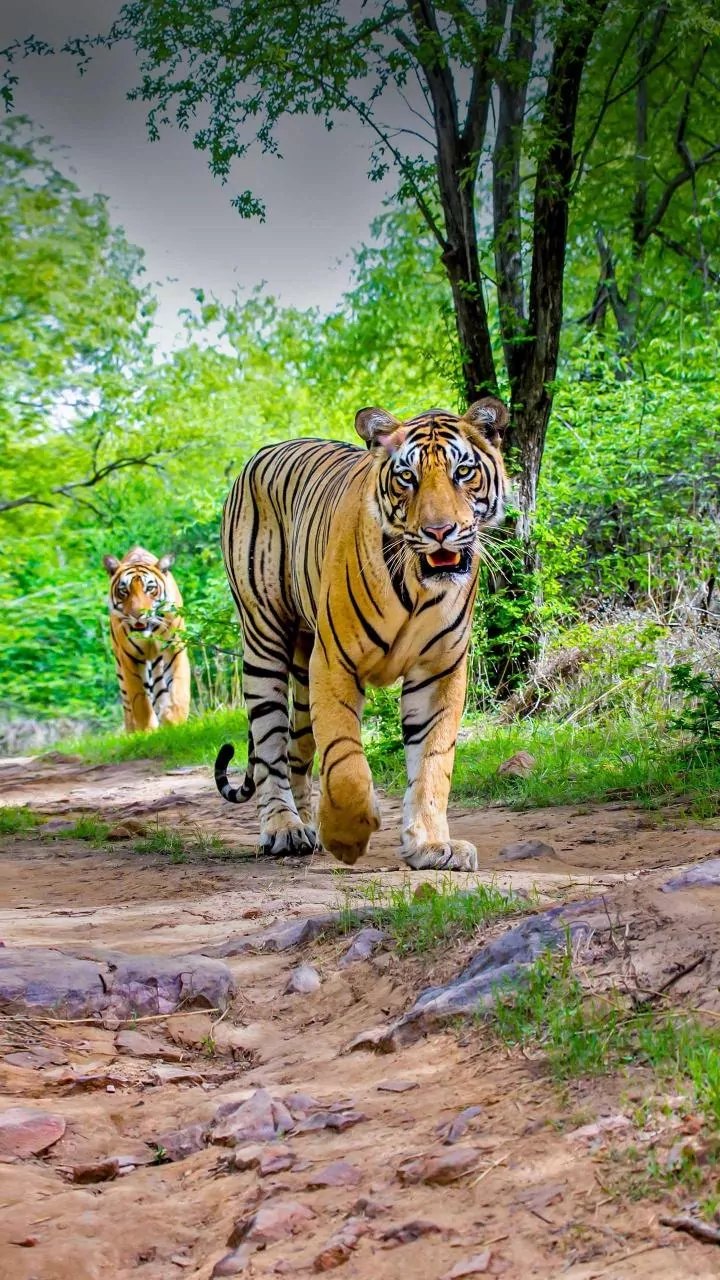
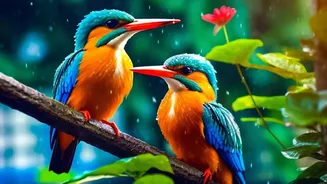
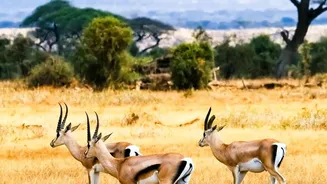
The cooler temperatures and abundance of water in August mean animals are more active throughout the day. Unlike the scorching summer when wildlife activity is limited to early mornings and late evenings, the monsoon encourages animals to roam more freely. It’s also a crucial time for breeding. Peacocks famously display their elaborate plumage, a classic image of the Indian monsoon. Many bird species are particularly active, making it a phenomenal time for birdwatching. Even predators change their habits; tigers and leopards may be more active as the rain washes away scent markings, forcing them to patrol their territories more frequently. Elephants are often seen playing in the mud and water, and the abundance of new grass means large herbivores are constantly grazing in the open.
Fewer Crowds, Greater Intimacy
One of the biggest advantages of a monsoon safari is the solitude. August is considered the off-season, meaning you escape the long queues and crowds of the popular winter and summer months. With fewer vehicles in the parks, the experience becomes far more personal and serene. You can enjoy the sounds of the forest—the rain, the calls of birds, the rustle of unseen animals—without the constant hum of tourist traffic. This tranquility not only enhances the peacefulness of the trip but can also lead to more relaxed and natural wildlife sightings, as animals are less disturbed by human presence.
Which Parks Are Open in August?
While it's true that the core zones of many major tiger reserves close from July to September for breeding and safety, a significant number of parks remain fully or partially open. Many tiger reserves keep their buffer zones accessible, which still host a rich diversity of wildlife. Key destinations for an August safari include: Periyar National Park, Kerala: Open year-round, its famous boat safari on Periyar Lake is magical in the monsoon, with excellent sightings of elephants and diverse birdlife. Ranthambore, Rajasthan: While core zones 1-5 are closed, safari zones 6-10 remain open, offering a chance to see the historic landscape in its greenest avatar. Kabini (Nagarhole) & Bandipur, Karnataka: These southern parks are open year-round, and the Kabini backwaters are a highlight for watching large herds of Asiatic elephants. Tadoba-Andhari Tiger Reserve, Maharashtra: The buffer zones of this popular tiger destination remain open, offering good chances for sightings against a lush backdrop. Jim Corbett, Uttarakhand: The Jhirna and Dhela zones typically remain open year-round, providing access to the Himalayan foothills' unique ecosystem during the rains.
Essential Tips for a Monsoon Safari
Travelling during the monsoon requires some specific preparation to ensure a comfortable and successful trip. Pack quick-drying clothes in neutral, earthy colours and a reliable waterproof jacket. Protect your electronic gear, especially cameras, with waterproof bags or covers. Leeches can be common in the wet forests, so wearing leech-proof socks is highly recommended. It’s also wise to book safaris and accommodations in advance, even in the off-season, to ensure availability. Since some tracks can become inaccessible after heavy rain, maintain a flexible itinerary and be prepared for last-minute changes to your safari route. Finally, hire an experienced local guide; their knowledge of how animal movement changes with the rain is invaluable for spotting wildlife.