



The Old Way of Measuring Protein
For nearly three decades, the go-to method for rating protein was the Protein Digestibility Corrected Amino Acid Score, or PDCAAS. Established in 1993, this system evaluated a protein source based on its profile of essential amino acids—the ones our bodies
can't make—and its overall digestibility. Foods were given a score up to a maximum of 1.0, which signified a 'complete' protein that was easily used by the body. Dairy, eggs, and meat typically scored a perfect 1.0. This system served as the global standard for food labelling and dietary guidelines for years. However, scientists have long known it had limitations. A key issue is that the score is capped, meaning a protein that is excellent and one that is merely good could both end up with the same 1.0 score, masking important differences.
Introducing DIAAS: A More Accurate Score
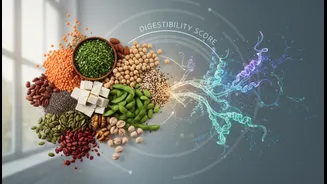
Enter the Digestible Indispensable Amino Acid Score, or DIAAS. Recommended by the UN's Food and Agriculture Organization (FAO) as the new gold standard, DIAAS offers a more precise look at protein quality. Unlike its predecessor, which measured digestibility from fecal matter, DIAAS measures the absorption of each individual amino acid in the small intestine—the place where nutrients actually enter the bloodstream. This provides a truer picture of a protein's bioavailability, or how much of it your body can really use. Crucially, DIAAS scores are not capped at 100% (the equivalent of 1.0). This allows scientists to rank high-quality proteins more accurately. For example, while soy and whey protein might have similar PDCAAS scores, DIAAS reveals that whey protein is significantly more digestible and bioavailable.
The Plant vs. Animal Protein Debate Revisited
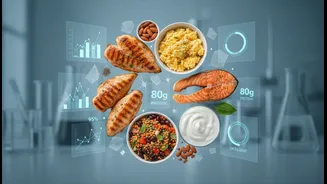
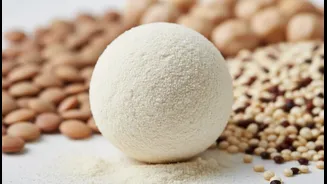
This new scoring system has reignited the conversation around plant and animal proteins. Generally, animal-based proteins like milk, eggs, and meat score higher on the DIAAS scale because they contain all nine essential amino acids in proportions our bodies need. Whole milk powder, for instance, has a DIAAS score of 1.14 (or 114%), while chickpeas score around 83 and wheat scores just 40. This is often because plant proteins can be lower in one or more essential amino acids and may contain 'anti-nutrients' that can slightly hinder digestion. However, this doesn't mean that plant proteins are inferior. Experts emphasize that the conversation is moving beyond just quantity to focus on the overall quality and synergy of a meal. A lower score for a single plant source isn't a problem when you eat a varied diet.
What This Means for Your Plate
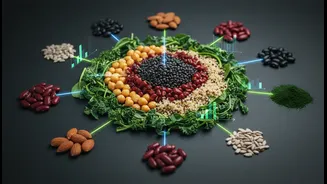
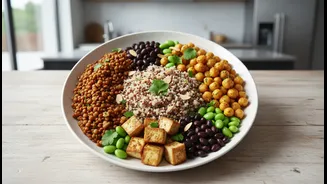
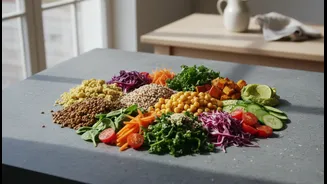
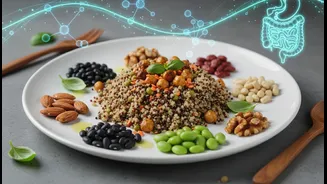
For the average person, especially in India where vegetarian diets are common, this scientific shift doesn't mean you need to abandon your dals and legumes. The key takeaway is the importance of variety and combination. The concept of protein complementarity is more relevant than ever. Combining different plant proteins in a meal—like the classic pairing of dal (lentils) and rice, or roti (wheat) and sabzi with paneer—helps create a complete amino acid profile. Even adding a small amount of a high-quality animal protein, like yoghurt, milk, or an egg, to a plant-based meal can significantly boost the overall protein quality. Furthermore, traditional preparation methods like soaking and cooking legumes improve their digestibility and protein quality. So, while the science gets more precise, the practical advice remains timeless: eat a diverse range of foods.