





The Unsung Hero of the Blue Mountains
In the world of Indian tea, Assam is the bold, malty heavyweight and Darjeeling is the sophisticated, floral celebrity. But the third major region, the Nilgiris or 'Blue Mountains' of Southern India, produces a tea that might just be the most versatile
of all. Nilgiri tea is known for its incredible fragrance, briskness, and a naturally sweet, clean finish. Unlike its more famous cousins, it is remarkably low in tannins—the compounds that cause bitterness and a dry mouthfeel. This gives it a smooth, gentle character that makes it exceptionally drinkable. For decades, much of this tea was used in blends, but now, its unique personality is being celebrated on its own, especially in one specific preparation: cold brew.
The Gentle Science of Cold Brewing
Cold brewing is more about patience than process. Instead of shocking tea leaves with hot water, which extracts everything quickly (including bitter tannins and high levels of caffeine), cold brewing involves steeping leaves in cold water for an extended period, typically 8 to 12 hours in the refrigerator. This slow, gentle infusion works differently on a chemical level. It coaxes out the tea's delicate aromatic compounds and sweet-tasting amino acids while leaving most of the bitter tannins behind. The result is a drink that is incredibly smooth, naturally sweet, and significantly less acidic and bitter than hot-brewed tea that has been cooled down.
A Perfect Canvas for Flavor
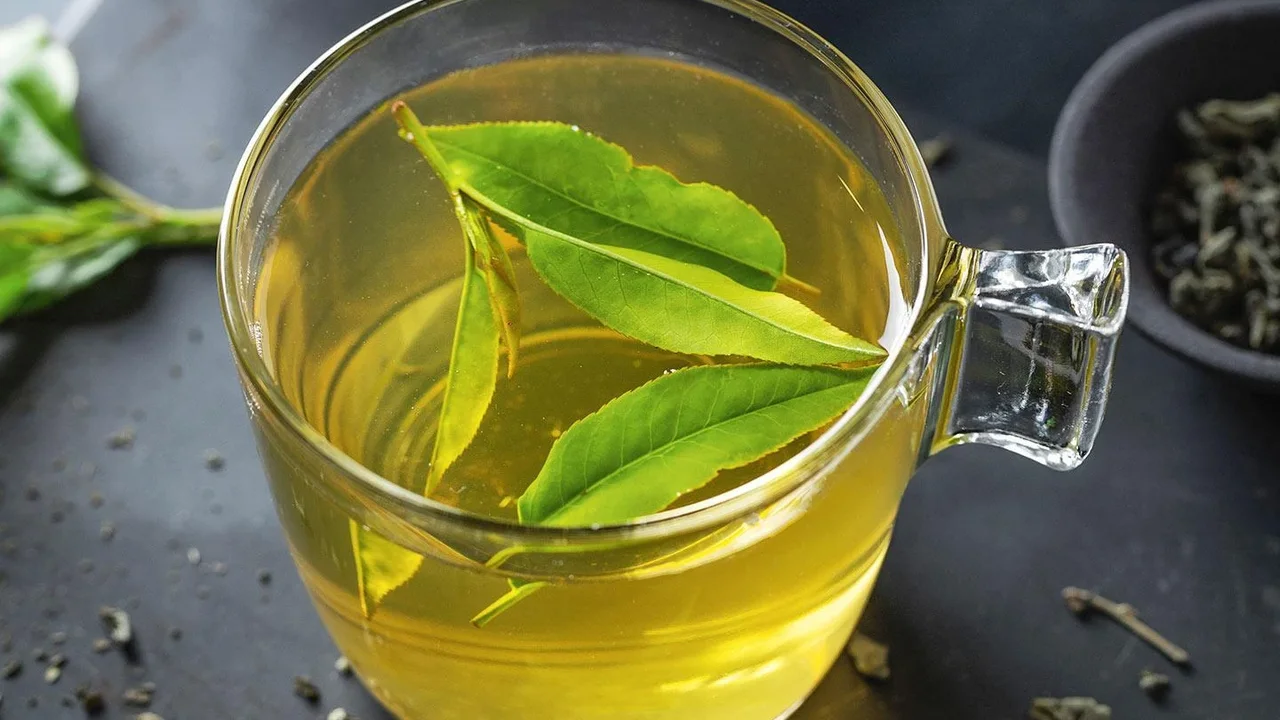
This is where Nilgiri tea truly shines. Its naturally low tannin content and bright, floral-fruity profile make it the perfect candidate for cold brewing. While other black teas can become cloudy, harsh, or bitter when chilled, Nilgiri tea remains stunningly clear and smooth. Its inherent sweetness is amplified by the cold brew process, creating a rounded, mellow liquor that tastes balanced and refreshing without any added sugar. This makes it an ideal, clean canvas, ready to be paired with other flavors without being overpowered.
A Symphony of Seasonal Fruits
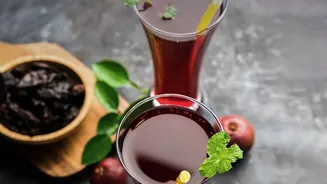
The magic of these blends lies in combining the bright notes of Nilgiri tea with the ripest seasonal produce. The goal is balance. In the peak of summer, the juicy sweetness of mangoes or peaches complements the tea's floral character beautifully. Slices of sweet lime or orange can be added to enhance the tea’s own subtle citrus undertones. As the weather changes, so do the infusions. Tart berries or plums can add a welcome sharpness. Even simple herbs like a few sprigs of fresh mint can elevate the tea's natural aromatics, making each pitcher a unique reflection of the season. The key is to let the fruit complement the tea, not dominate it.
Crafting Your Own Refreshing Blend
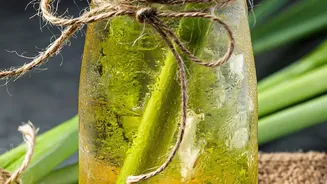
Making your own cold brew Nilgiri blend is surprisingly simple. The general rule of thumb is to use about one to two teaspoons of loose-leaf Nilgiri tea for every 250ml of cold, filtered water. Combine the tea and water in a clean glass jar or pitcher. From there, you can add your choice of thinly sliced fruits or herbs. Seal the container and let it steep in the refrigerator for at least eight hours, or overnight. The longer it steeps, the deeper the flavor, but thanks to the low tannin content, it is unlikely to become bitter. Once steeped, simply strain the leaves and fruit, and you have a perfect, artisanal beverage ready to be enjoyed over ice.