


The Nutritional Showdown
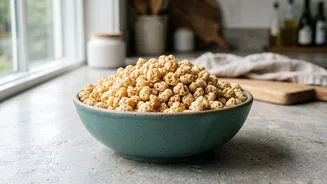
When it comes to nutrition, quinoa puffs take a clear lead. Quinoa is technically a seed, celebrated for being a complete protein, which means it contains all nine essential amino acids. This protein-rich profile makes its puffed form more substantial
than puffed rice. Puffed quinoa generally offers more dietary fiber, which aids in digestion and helps you feel fuller longer. It also boasts higher levels of key minerals like iron and magnesium. Puffed rice, while much lower in calories and carbs, offers minimal protein and fiber in comparison. So, if your goal is to add a nutrient-dense crunch, quinoa puffs are the stronger contender. If you simply want a low-calorie, light-textured topping, puffed rice fits the bill.
A Tale of Two Crunches
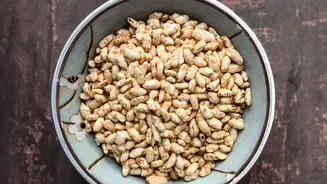
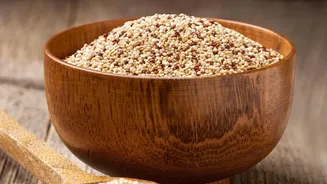
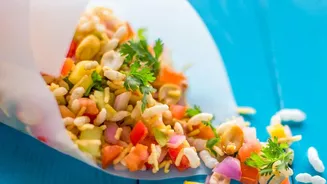
Texture and taste are where personal preference really comes into play. Puffed rice, familiar to many from breakfast cereals, is exceptionally light and airy. It provides a crisp, delicate crunch that is quite neutral in flavor, allowing the other salad ingredients to shine. However, it can lose its crispiness quickly once it comes into contact with dressing. Quinoa puffs, on the other hand, have a slightly more robust and heartier crunch. Their smaller size gives them a texture that some compare to tiny, nutty corn nuts. They tend to hold their structure a bit better against moisture. The flavor of puffed quinoa is mild but distinct, with a subtle, toasty nuttiness that can add another layer of complexity to your salad.
How Are They Made?
The 'puffing' process is what gives both these ingredients their signature airy quality. For puffed rice, the process traditionally involves heating parboiled rice kernels at a very high temperature, often using hot salt or steam pressure. This intense, sudden heat causes the moisture within the grain to turn to steam and expand, puffing the kernel. Commercially, it's often done in a machine that uses heat and pressure. The method for making puffed quinoa is similar. Raw quinoa seeds are heated in a dry, hot pan. As they heat, they pop and expand, much like tiny popcorn. While some brands may deep-fry the quinoa to puff it, a dry-pan or oven-toasting method is also common.
The Gluten-Free Question
For those with celiac disease or gluten sensitivity, both options are generally safe choices. Quinoa is naturally gluten-free. Likewise, pure rice is also gluten-free. This makes both quinoa puffs and puffed rice excellent alternatives to traditional wheat-based croutons. However, the key is to always check the packaging. Cross-contamination can occur if the puffs are processed in a facility that also handles wheat, barley, or rye. To be completely safe, look for products that are explicitly certified as gluten-free, especially if you have a high sensitivity.
Beyond the Salad Bowl
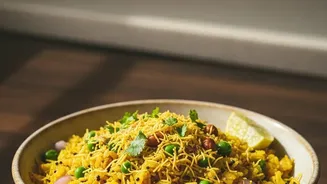
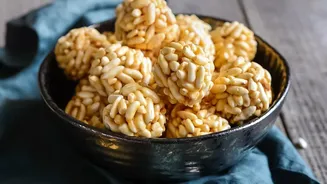
The versatility of both puffs extends far beyond salads. Puffed rice is a staple in many snacks, from Indian street food like Bhel Puri to classic sweet treats and granola bars. Its neutral base makes it highly adaptable. Quinoa puffs are equally versatile. They are a popular addition to yogurt parfaits, smoothie bowls, oatmeal, and homemade energy bites. Their subtle nutty flavor and protein boost make them a functional ingredient in both sweet and savory dishes, serving as a crunchy topping for soups or roasted vegetables as well.
The Verdict: Which Puff Should You Pick?
Choosing between quinoa puffs and puffed rice ultimately depends on your priorities. If you are looking to maximize the nutritional value of your salad with more protein, fiber, and minerals, quinoa puffs are the superior choice. They offer a more durable crunch and a pleasant, nutty flavor that complements many ingredients. If, however, you are seeking the lightest possible texture and the lowest calorie count, puffed rice is an excellent option. Its delicate crispiness adds texture without overwhelming the other components of your dish. Both can elevate a simple salad into something more texturally interesting, so the best choice is the one that aligns with your taste and health goals.