


The Hydrating Hero: Cucumber
Cucumbers are a salad staple for a reason, and their benefits go far beyond their refreshing crunch. Composed of about 96% water, they are incredibly hydrating. Proper hydration is fundamental for good digestion, as it helps the body break down food and absorb
nutrients effectively. Water also helps soften stool, preventing constipation and ensuring waste moves smoothly through your digestive system. But that's not all. Cucumbers also contain a good amount of fibre, particularly in their peel. This includes soluble fibre like pectin, which can increase the frequency of bowel movements and feeds the beneficial bacteria in your gut, further promoting a healthy digestive environment.
The Earthy Elixir: Beetroot
The vibrant, deep red of beetroot signals its rich nutritional profile. This root vegetable is a fantastic source of dietary fibre, which is essential for maintaining a healthy digestive system. The fibre in beets acts as a prebiotic, providing fuel for the good bacteria in your gut. When these healthy bacteria thrive, they help create a balanced gut microbiome, which is crucial for everything from efficient digestion to a strong immune system. Furthermore, beetroots contain unique antioxidants called betalains, which give them their colour and help combat oxidative stress in the gut. They are also rich in nitrates, which the body converts to nitric oxide, a compound that can improve blood flow to your digestive organs, ensuring they function optimally.
The Nutrient Powerhouse: Sprouts
Sprouts are nutritional giants in a tiny package. These germinated seeds of vegetables, grains, and beans are packed with enzymes, vitamins, and minerals. One of their most significant benefits for digestion is their high fibre content. The sprouting process dramatically increases the amount of insoluble fibre, which adds bulk to stool and helps it pass quickly through the gut, reducing the risk of constipation. Studies have shown that sprouting can increase fibre content by a significant margin. The germination process also reduces the amount of anti-nutrients and gluten in grains, making them easier for the body to digest and absorb nutrients from. The enzymes present in sprouts, such as protease, also aid in breaking down proteins and carbohydrates, easing the digestive load on your body.
Better Together: The Salad Bowl Synergy
While cucumber, beetroot, and sprouts are powerful on their own, combining them in a fresh salad bowl creates a synergistic effect that elevates your digestive health. You get the hydrating properties and soluble fibre from the cucumber, the prebiotic fibre and antioxidants from the beetroot, and the concentrated insoluble fibre and digestive enzymes from the sprouts. This combination provides both soluble and insoluble fibre, a duo that works together to ensure regularity and support a healthy gut microbiome. The high water content from the cucumber works with the fibre from all three ingredients, as fibre needs fluid to do its job properly. This trio delivers a comprehensive package for keeping your digestive system running smoothly.
Building Your Ultimate Digestive Bowl
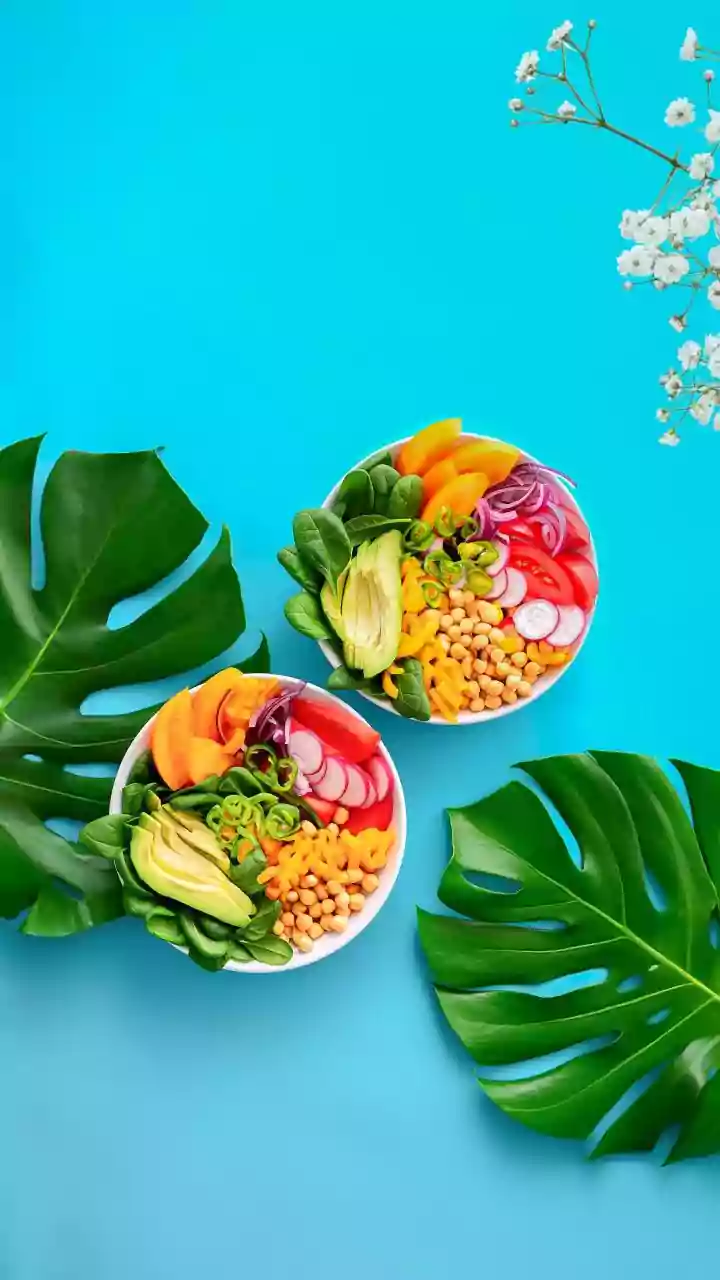
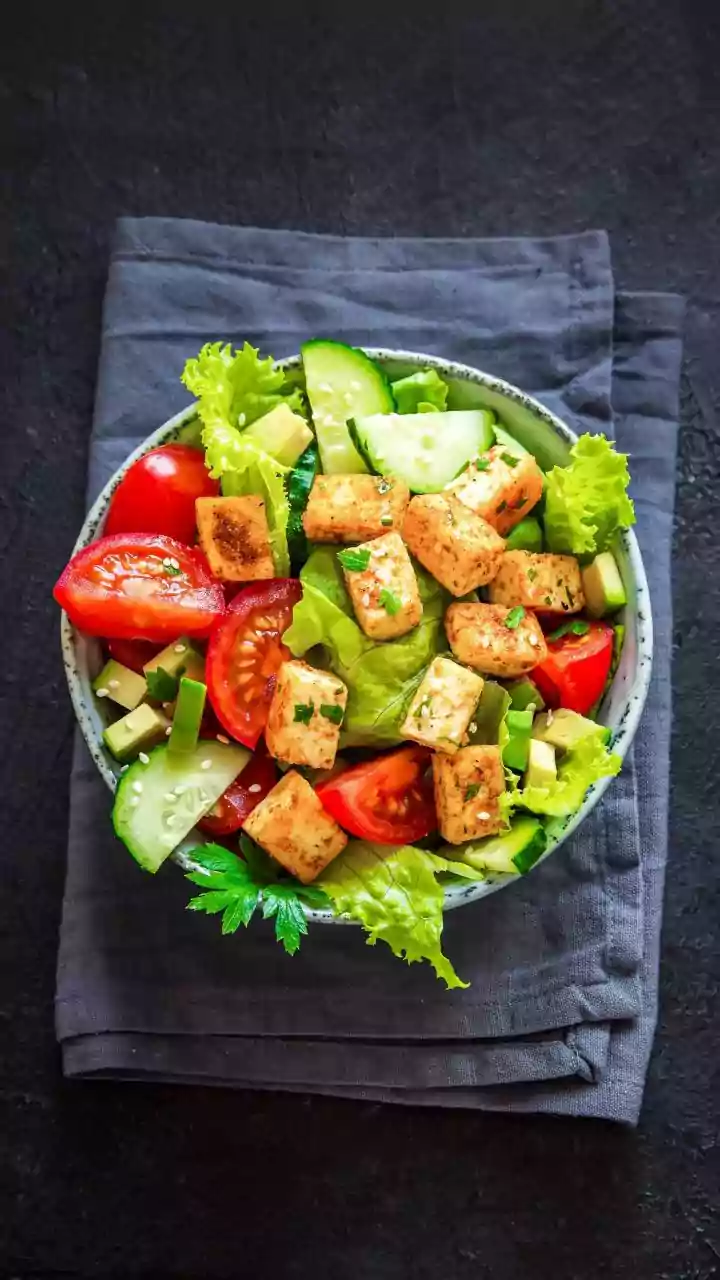
To maximise the benefits, start with a base of dark leafy greens, which are also rich in insoluble fibre. Add generous amounts of sliced cucumber, grated raw beetroot, and a handful of your favourite sprouts, such as mung bean, broccoli, or lentil sprouts. To make it a complete meal, consider adding a source of lean protein like grilled chicken or chickpeas, and healthy fats from avocado or a sprinkle of seeds. For a dressing, a simple mix of olive oil and lemon juice is an excellent choice. The oil aids in the absorption of fat-soluble vitamins, while the lemon juice can also stimulate digestive processes. By thoughtfully combining these fresh, whole foods, you are not just making a salad; you are actively nourishing your gut and promoting long-term digestive wellness.