




The Rainfall Deficit
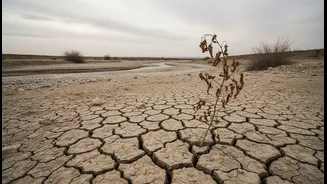
The numbers paint a worrying picture. By early July, Goa’s seasonal rainfall deficit had widened to nearly 27%. This isn't just a brief dry spell; it follows a particularly arid June that ended with a 34% deficit, one of the weakest starts to the monsoon
in recent memory. The brief bursts of rain in late June and early July were not enough to bridge the gap. Now, with the monsoon weakening again, the state is experiencing sultry, uncomfortable weather with daytime temperatures climbing almost three degrees above normal. This lack of sustained rain is setting the stage for a cascade of problems across the state.
Crisis in the Fields
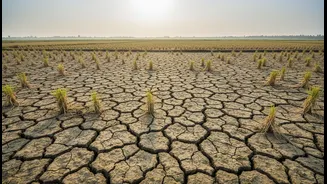
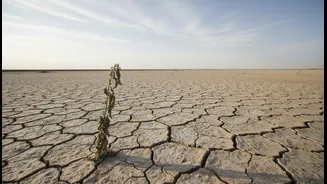
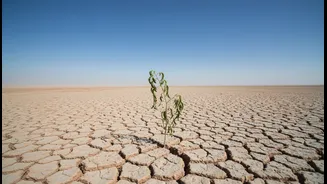
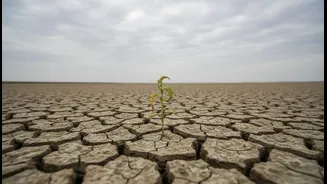
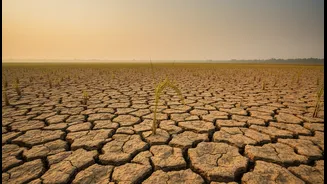
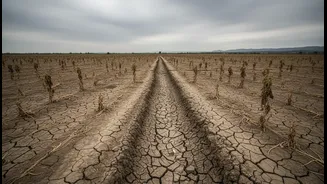
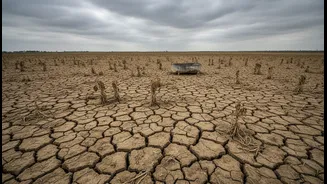
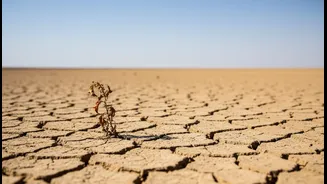
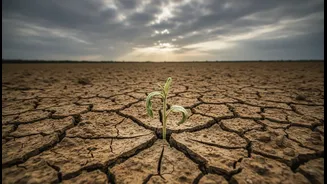
Nowhere is the impact felt more acutely than in Goa's agricultural heartland. The weak monsoon has left fields parched at a critical time for kharif sowing. Farmers who depend on rain-fed agriculture are staring at hardened soil that is difficult to plough. Many have delayed sowing paddy, a monsoon staple. Those who had already planted seedlings now worry they will dry up without immediate, significant rainfall. The consequences extend beyond a single season. The monsoon is vital for recharging groundwater, wells, and ponds. A failure to do so threatens the upcoming rabi (winter) crops and even next year's summer horticulture, including mango and cashew plantations that rely on a high water table.
Water Woes and Power Problems
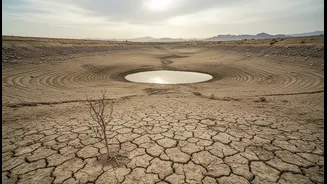
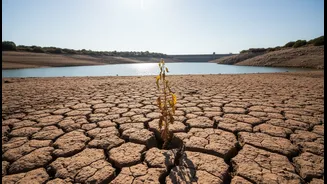
The deficit is directly impacting Goa's lifeline: its water reservoirs. As of early July, the state's dams were far from their usual monsoon capacity. The major Selaulim reservoir was reported to be just 37% full, while the Anjunem dam was at a critical 15%. This is a dramatic drop from the previous year, when heavy rains saw most reservoirs full by this time. The situation became so concerning that in mid-June, officials warned that Goa had only about a month's worth of drinking water stored. This puts immense pressure not only on residential water supply but also on industries and could potentially lead to power management issues, as hydroelectric generation depends on healthy reservoir levels.
A Subdued Monsoon Getaway
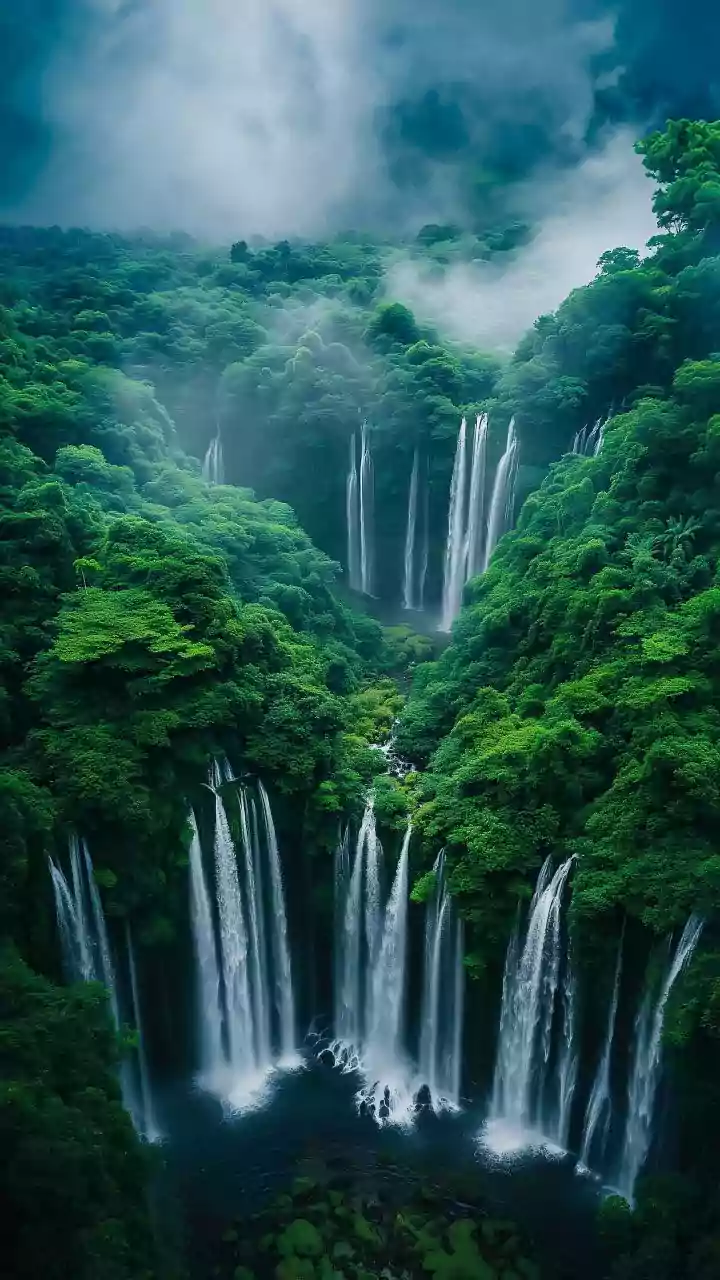
The weak monsoon also presents a paradox for Goa's tourism sector. In recent years, the state has been actively promoting 'monsoon tourism', marketing itself as a year-round destination filled with green landscapes and cascading waterfalls. This 'Beyond Beaches' approach aims to attract travellers seeking a different, more serene Goan experience. However, the very appeal of a monsoon holiday is predicated on the monsoon itself. Without consistent rain, the vibrant green cover is less lush, and iconic sights like the Dudhsagar Falls lack their thunderous, full-flowing majesty. While some visitors might prefer less rain, the atmospheric, romantic experience that defines a Goan monsoon getaway is fundamentally diminished, posing a challenge to this growing tourism niche.