



The Great Green Illusion
The idea that planting more trees and creating parks makes cities better is a powerful and popular one. For a long time, urban greening efforts were measured by how much vegetation could be seen from above. Using metrics like the Normalized Difference
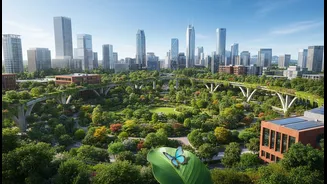
Vegetation Index (NDVI) from satellite data, planners could track 'greenness'. This was a good start, but it has a fundamental flaw: it can't distinguish between a manicured lawn of a single, non-native grass and a thriving patch of native forest. Both look 'green' to a satellite, but their ecological value is vastly different. This creates a green illusion, where cities might look leafy but remain ecologically impoverished and vulnerable to extreme weather.
Our Cities Are Heat Traps
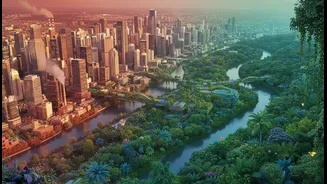
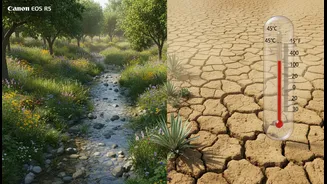
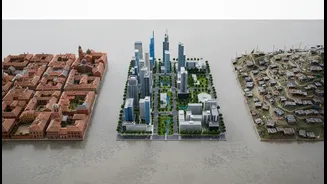
The urban heat island effect is a well-documented phenomenon where cities are significantly warmer than surrounding rural areas. Materials like concrete and asphalt absorb and retain huge amounts of solar radiation, turning our cities into ovens. In India, this can mean a temperature difference of several degrees, exacerbating already dangerous heatwaves in cities like Delhi and Mumbai. While all vegetation helps, not all vegetation cools equally. A large, mature native tree with a dense canopy provides significant shade and cools the air through evapotranspiration. This is far more effective than a small ornamental shrub or a patch of sun-baked lawn. Simply chasing a 'green' metric without considering the cooling properties of different plants is a missed opportunity to genuinely lower urban temperatures.
Why Biodiversity Is Not an Optional Extra
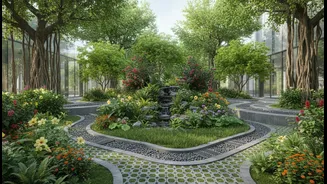
Biodiversity is the variety of life in an ecosystem, and it’s crucial for urban resilience. A green space rich in native plants provides food and shelter for local birds, bees, and butterflies. These creatures are not just nice to look at; they are essential pollinators and part of a complex food web that supports the entire ecosystem. For instance, research has shown a native oak tree can support hundreds of caterpillar species, which are vital food for birds, while an exotic ginkgo tree supports almost none. When urban greening projects rely on a limited palette of non-native ornamental plants, they create 'green deserts'—places that look green but are functionally sterile and fail to support local wildlife. This loss of biodiversity makes our urban ecosystems fragile and less able to cope with the stresses of climate change.
A New Toolkit for Smarter Greening
To build better cities, planners, students, and citizens need to adopt a more holistic approach. This means moving beyond just vegetation and incorporating two other key metrics: heat and biodiversity. Instead of just asking, 'How green is it?', we should ask, 'How much does it cool the air?' and 'What life does it support?'. Planners can now use tools like thermal imaging and land surface temperature data to identify the hottest parts of a city and target greening efforts where they're needed most. Similarly, biodiversity can be assessed by tracking species counts and habitat quality. This shift requires a new mindset—one that values the functional benefits of nature, not just its appearance.
From Planners to the Public: Demanding 'Smarter' Green
This new understanding has implications for everyone. For urban planners and policymakers, it means updating development codes and prioritising nature-based solutions that are proven to cool and support wildlife. For students of architecture, planning, and environmental science, it means learning to design with ecological systems in mind. And for the public, it means becoming more discerning consumers of green space. We can advocate for planting native species in our local parks, question the use of resource-intensive lawns, and support policies that treat urban nature as essential infrastructure. The goal is no longer just to make our cities green, but to make them cool, biodiverse, and resilient for the long term.