






The Monsoon Humidity Effect
During the monsoon, the air is saturated with moisture. This high humidity severely hinders your body's natural cooling mechanism: sweating. Normally, sweat evaporates from your skin, taking heat with it. But when the air is already full of water vapour,
your sweat has nowhere to go. It drips off without providing much cooling effect. In response, your body sweats even more in an attempt to regulate its temperature. This leads to a greater loss of fluids and essential minerals, known as electrolytes, than you might experience in dry heat. This process can be deceptive, as you may not feel as thirsty, but you are still losing vital resources.
Recognising the Signs of Imbalance
An electrolyte imbalance can sneak up on you during a workout. The most common early warning sign is muscle cramping, which can be both painful and debilitating. You might also experience persistent fatigue that feels disproportionate to your workout's intensity. Other key symptoms to watch for include dizziness, nausea, headaches, and general weakness. In more serious cases, an irregular heartbeat or mental confusion can occur. Recognising these signals early is crucial to prevent more severe issues and ensure your gym session remains safe and productive.
Your Pre-Workout Hydration Plan
Proper hydration starts long before you pick up a weight. Aim to drink about 500-600 ml of water two to three hours before your workout. This gives your body time to absorb the fluid. About 20-30 minutes before you begin exercising, have another 250 ml. For morning workouts, it's particularly important to hydrate upon waking, as you're naturally dehydrated after sleep. The goal is to start your session in a hydrated state, but avoid chugging large amounts of water right before, which can lead to discomfort.
Sipping Smart During Your Session
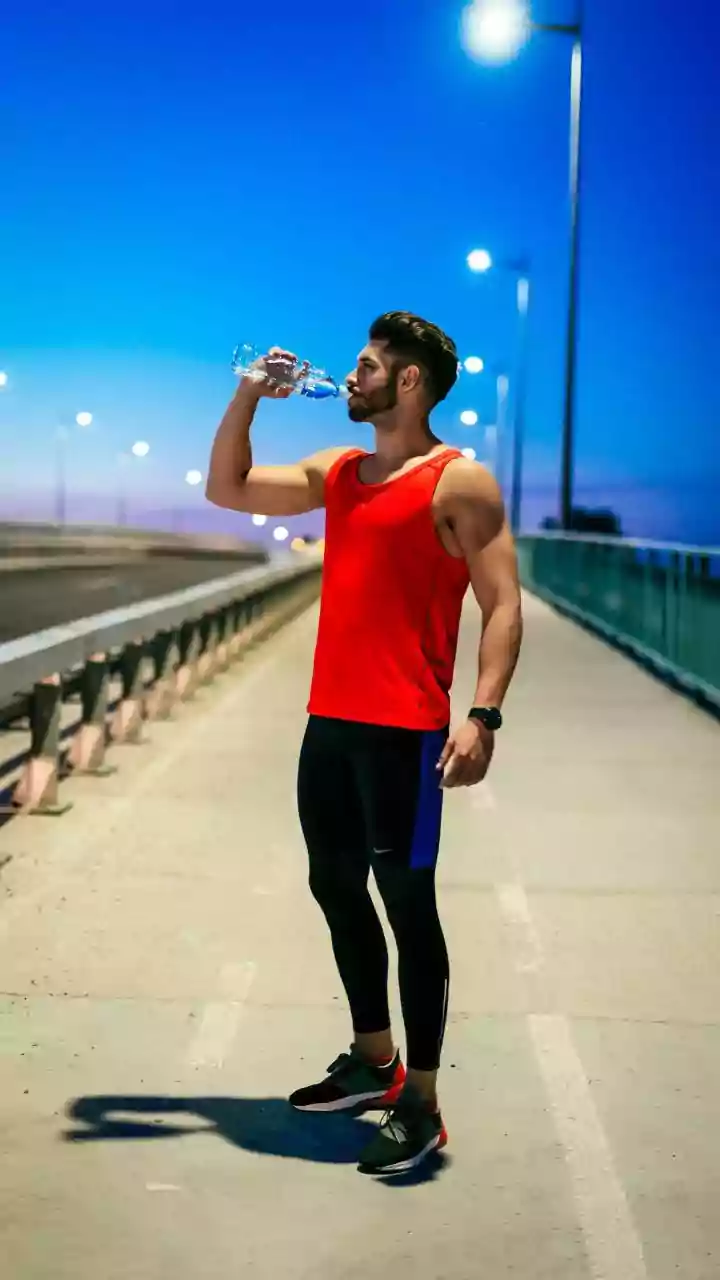
During your workout, consistent sipping is more effective than occasional gulping. A good rule of thumb is to drink about 200-300 ml of fluid every 15 to 20 minutes. For workouts under an hour, plain water is generally sufficient. However, if you are engaging in high-intensity training or a session lasting longer than 60 minutes in the humid conditions, it's time to consider an electrolyte-rich drink. This is because after an hour of intense sweating, you've lost a significant amount of sodium and potassium that water alone cannot replace.
The Role of Electrolyte Drinks
Sports drinks and electrolyte powders are designed to replenish the specific minerals lost through sweat, primarily sodium, potassium, and magnesium. When choosing a sports drink, be mindful of sugar content; some can be excessively sweet. Look for options that provide essential electrolytes without a huge dose of sugar. These drinks are most beneficial during prolonged, intense exercise where sweat loss is high. Sugar, in moderate amounts, can help the body absorb electrolytes more quickly, but for many standard gym sessions, a low-sugar option or natural alternatives are preferable.
Replenish Naturally with Food
You can also replenish electrolytes effectively through your diet, especially post-workout. Coconut water is a fantastic natural option, rich in potassium. Bananas are another excellent source of potassium and are easy to consume after a gym session. Other beneficial foods include leafy green vegetables like spinach for magnesium, and dairy products like yogurt, which provide calcium. Incorporating foods like avocados, lentils, beans, and seeds into your meals will also help maintain a healthy electrolyte balance.