



The Korean Wave in a Bowl
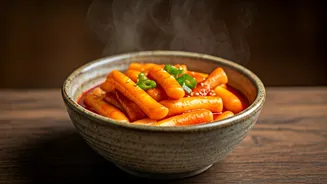
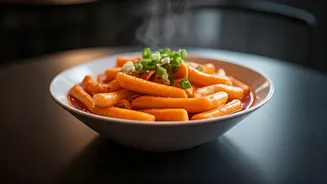
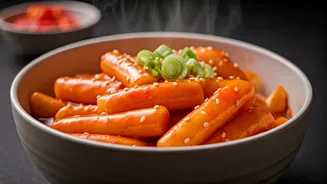
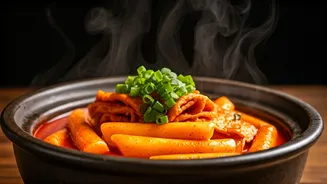
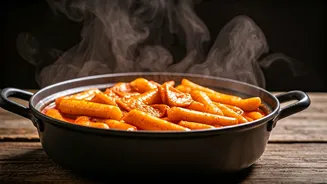
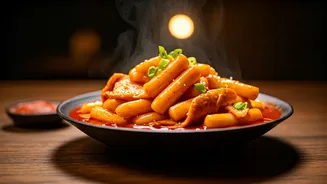
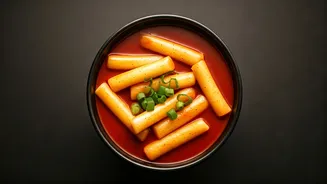
If you've been scrolling through food reels, you've likely seen it: a vibrant, crimson bowl of chewy cylinders swimming in a glossy sauce. That's tteokbokki (pronounced tok-bok-ki), a beloved Korean street food. [6] These dense, chewy cakes are made from
rice flour and simmered in a potent, flavour-packed sauce. The star ingredient is gochujang, a fermented Korean chilli paste that provides a signature spicy, sweet, and savoury flavour. [6, 17] Often, you'll find fish cakes, boiled eggs, and scallions in the mix, turning it into a hearty, satisfying meal. [10] Its popularity in India is directly linked to the Hallyu, or Korean Wave—the global explosion of K-dramas and K-pop. [5, 9] Viewers who watched their favourite characters enjoy the dish developed a curiosity that has now translated into a massive food trend, with some reports noting huge increases in Korean noodle and food imports since 2020. [3, 5, 7]
Not Your Average Bun
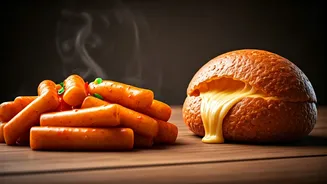
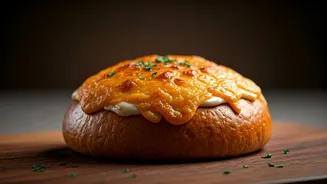
On the other side of this trend is the cheese bun. While less about a specific country of origin and more about a universal love for bread and cheese, its street-food iteration is a masterclass in comfort. These aren't just simple bread rolls; they are often soft, pillowy buns, sometimes with a hint of garlic, stuffed to bursting with molten mozzarella or a blend of cheeses. [13, 14] They are then grilled, baked, or toasted until golden, delivering that all-important, social-media-famous 'cheese pull'. [10] The rise of Korean-style buns is particularly noteworthy. [4] Often found in Korean bakeries, these buns sometimes incorporate sweet or savoury fillings alongside the cheese, creating a multi-layered flavour experience that appeals to the Indian palate's appreciation for complex tastes.
A Match Made on the Streets
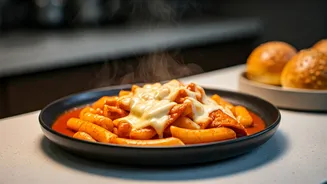
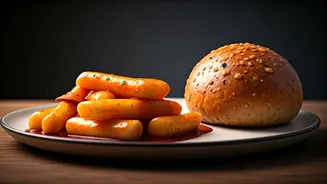
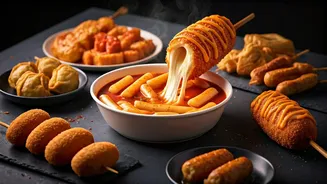
Why are these two seemingly unrelated items becoming stars together? The answer lies in their complementary flavours and textures, and the creative spirit of Indian street food vendors. The fiery, bold spice of tteokbokki finds a perfect counterbalance in the mild, creamy, and salty richness of a cheese bun. One is a spicy flavour bomb; the other is a comforting, cheesy hug. It’s a pairing that makes perfect sense for a palate that loves both chilli and cheese—two pillars of modern Indian comfort food. Fusion dishes are already emerging, with chefs and vendors experimenting. [5] Think tteokbokki with a cheese topping or cheese-stuffed rice cakes, a popular variation in Korea itself. [17] This combination is a testament to how global trends are localised, creating exciting new culinary experiences. [9]
Why Now? Anatomy of a Trend
The ascent of tteokbokki and cheese buns is no accident. It's a perfect storm of cultural curiosity, flavour compatibility, and social media savvy. The Hallyu wave created the initial interest in Korean food, which Gen Z and millennials, in particular, have embraced. [4, 8] Korean cuisine’s emphasis on bold, spicy flavours resonates deeply in India, where spice is a cornerstone of the culinary landscape. [5, 12] Both cuisines celebrate a balance of savoury, sweet, and spicy, making Korean food feel both new and familiar. [2] Furthermore, the visual appeal of these dishes is undeniable. The bright red of tteokbokki and the dramatic pull of a cheese bun are tailor-made for Instagram reels and YouTube shorts, which have been instrumental in popularising them. [6] What begins as a viral clip quickly turns into a real-world craving, sending foodies on a hunt for the next trending bite.