





How Microwaves Actually Work
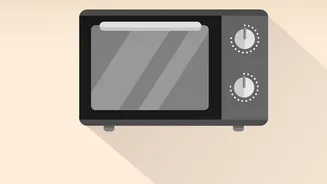
First, let's be clear: microwave ovens don't cook food from the 'inside out'. That's a popular myth. Inside the oven, a device called a magnetron generates microwaves, which are a type of electromagnetic wave, similar to radio waves. These waves are blasted
into the oven's metal box, where they bounce off the walls. The magic happens when these waves encounter the food. They don't just heat it with thermal energy like a regular oven; instead, they interact with specific molecules inside your food to generate heat.
The Crucial Role of Water
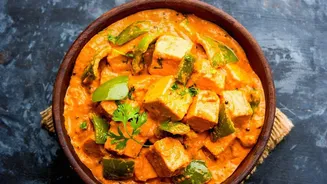
The primary target for these microwaves is water. Water molecules are 'polar', meaning they have a positive end and a negative end, like tiny magnets. The rapidly oscillating electric field of the microwaves causes these water molecules to flip back and forth millions of times per second as they try to align with the field. This frantic vibration creates friction between the molecules, and that friction generates heat. This process, known as dielectric heating, is what cooks your food. This is also why foods with high water content, like vegetables or curries, often heat up much faster than drier foods like bread or rice.
The Real Culprit: Standing Waves
So if the waves are bouncing all over, why the cold spots? The problem is something called 'standing waves'. As microwaves reflect off the oven's metal interior, the incoming waves and reflected waves interfere with each other. This interference creates a stationary pattern of waves inside the oven, with points of high energy (antinodes) and points of zero energy (nodes). Think of it like skipping rope: some parts of the rope move a lot, while others (where you hold it) barely move at all. The antinodes are the hot spots where your food cooks quickly, and the nodes are the cold spots where very little heating occurs.
The Turntable's Imperfect Solution
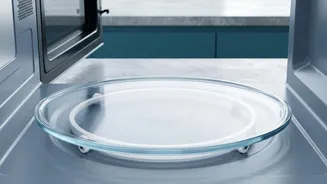
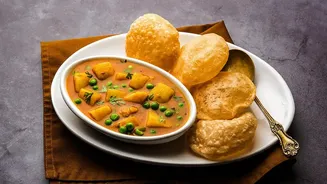
Microwave manufacturers are well aware of standing waves. Their main solution was to invent the rotating turntable. The idea is simple: if you can't get rid of the hot and cold spots, move the food through them. By rotating the plate, the oven tries to ensure that every part of your meal gets a chance to pass through an energetic antinode. However, it's not a perfect system. Food in the very centre of the plate moves very little, often staying in one spot, which might be a cold node. This is why the middle of your dal or soup can remain stubbornly cold while the edges are bubbling hot.
Hacks for a Perfectly Hot Meal
Armed with this knowledge, you can outsmart your microwave. Instead of piling food in the centre, arrange it in a ring or doughnut shape on the plate, leaving a space in the middle. This allows the microwaves to heat the food more evenly from all sides. For better results, place your dish on the outer edge of the turntable, not in the dead centre, to ensure it travels a greater distance through the heating zones. For things like rice or pasta that can dry out, adding a splash of water and covering the dish with a microwave-safe lid or a damp paper towel will help steam the food and keep it moist. Finally, the simplest trick of all: stop the microwave halfway through, give your food a good stir to redistribute the heat, and then finish cooking. And always let your food rest for a minute after cooking; this allows the heat to distribute itself more evenly.