



The Magic of Post-Monsoon Driving
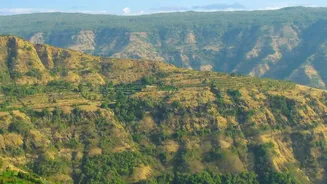
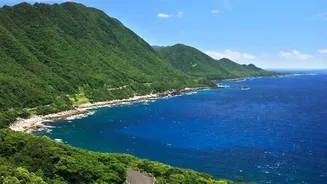
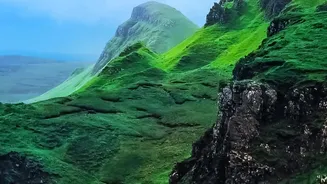
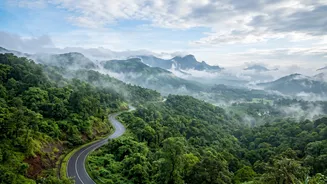
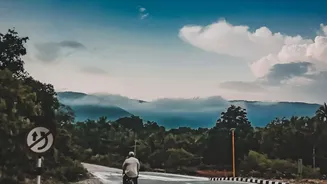
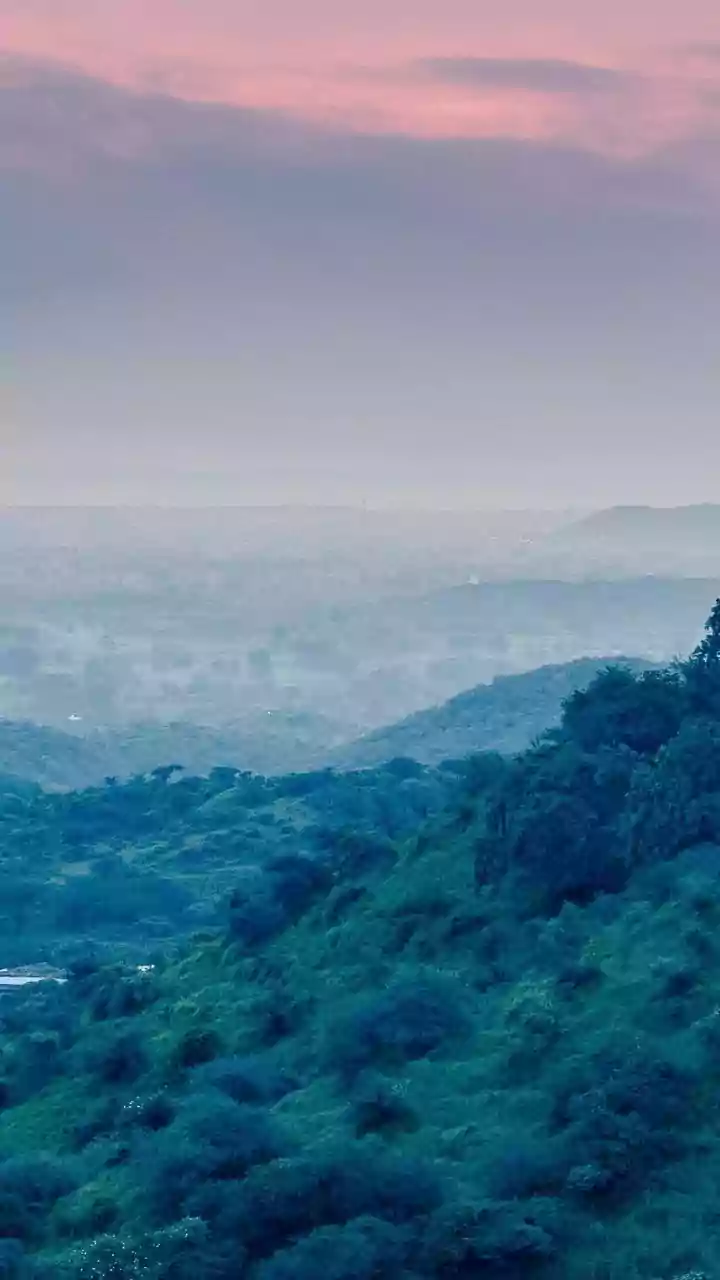
The period from September to November is magical in the Sahyadri mountain range. The heavy rains wash the landscape clean, leaving behind a carpet of lush greenery, overflowing lakes, and waterfalls in their full glory. The air is fresh, the climate is pleasantly
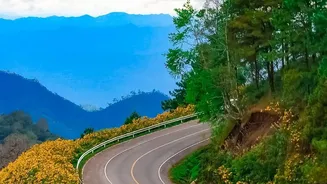
cool, and the tourist crowds of peak season have thinned, making it an ideal window for exploration. A road trip during this time is less about the destination and more about the journey itself—navigating winding ghat roads enveloped in mist, stopping at impromptu cascades, and soaking in the dramatic scenery. While the views are spectacular, it's essential to drive with caution, as roads can be slippery and fog can reduce visibility.
Panchgani: The Picturesque Twin
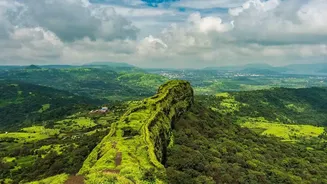
Just a short, scenic drive from Mahabaleshwar, Panchgani is an essential stop. Named for the five hills surrounding it, this town offers a slightly more tranquil atmosphere than its famous neighbour. Post-monsoon, its most famous attraction, Table Land—a large volcanic plateau—is a stunning expanse of green. Key viewpoints like Sydney Point and Parsi Point provide breathtaking panoramas of the Dhom Dam and the verdant Krishna Valley, often draped in a romantic layer of mist. The drive between Mahabaleshwar and Panchgani itself is an experience, with numerous spots to pull over and appreciate the rain-washed scenery. While the strawberry season peaks in winter, the surrounding farms are beautifully green and the climate is perfect for leisurely exploration.
Wai: The Temple Town on the River
For a dose of culture and history, head down the ghats to Wai. Situated on the banks of the Krishna River, this ancient town is often called 'Dakshin Kashi' (Kashi of the South) due to its more than 100 temples. The main attraction is the series of seven ghats lining the river, with the Dholya Ganpati Temple on Ganpati Ghat being the most iconic. Built in 1762, its massive stone idol of Lord Ganesha is a sight to behold. A stroll along the riverbank reveals numerous other shrines and a glimpse into a quieter, more spiritual side of Maharashtra. Wai has also served as a backdrop for numerous Bollywood films, and its rustic charm provides a fascinating contrast to the hill station atmosphere of Mahabaleshwar.
Tapola: The Serene 'Mini Kashmir'
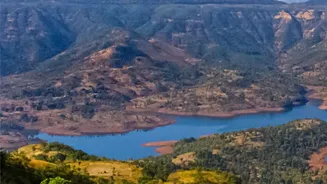
If serene waters and unspoiled nature are what you seek, make your way to Tapola. Located about 25-30 km from Mahabaleshwar, it is famously known as the 'Mini Kashmir' of Maharashtra. Tapola is the base for the stunning Shivsagar Lake, a 90-km-long reservoir formed by the Koyna Dam. After the monsoon, the lake is full and the surrounding hills are intensely green. Boating on the calm waters is the primary activity here, offering spectacular views and a sense of tranquility that's hard to find elsewhere. For the more adventurous, the area is also a starting point for treks to historic forts like Vasota, though it's important to check if these trails are open post-monsoon as they often pass through protected wildlife sanctuaries.
Pratapgad Fort: A Drive into History
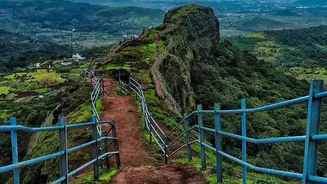
No trip to this region is complete without visiting the formidable Pratapgad Fort. This historic hill fort, commissioned by Chhatrapati Shivaji Maharaj, stands as a testament to Maratha valour. The drive to the fort is an adventure in itself, climbing through dense forest. Post-monsoon, the views from the fort's ramparts are simply staggering, offering a panoramic look at the surrounding valleys and hills. Inside the fortress, you can explore temples, lakes, and a library dedicated to its history. To fully appreciate the stories embedded in its walls, consider hiring a local guide. The combination of history, adventure, and stunning natural beauty makes Pratapgad an unforgettable stop on your Western Ghats itinerary.
Tips for a Safe Driving Holiday
Driving in the ghats after the monsoon requires preparation. Ensure your vehicle's tyres, brakes, and wipers are in excellent condition. Roads can be slippery, and visibility can drop to near-zero in foggy patches, so drive slowly and avoid travelling at night on winding sections. It's also wise to check for local updates on road conditions, as heavy rains can sometimes cause temporary closures or landslides. Pack layers, as the weather can change quickly from sunny to cool and misty. Finally, maintain a flexible schedule. The beauty of a post-monsoon road trip lies in the unexpected discoveries, so give yourself time to stop and enjoy the journey.