


The Foundation: Skin and Coat Care
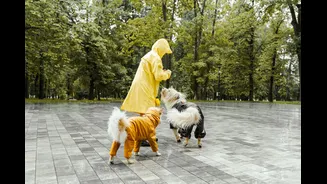
The single most important rule of monsoon pet care is to keep your pet dry. Constant dampness is the primary cause of the skin infections that plague pets during this season. High humidity creates a perfect breeding ground for bacteria and fungi, leading
to issues like hot spots (acute moist dermatitis), itchiness, and foul odours. After every walk, no matter how short, thoroughly towel-dry your pet’s coat, paying special attention to their belly, paws, ears, and any skin folds. For pets with thick or long coats, a hairdryer on a low, cool setting can be a lifesaver. While it might seem intuitive to bathe your pet more often, over-bathing can strip their skin of natural oils, making it more vulnerable. Stick to bathing only when necessary and use a vet-approved anti-fungal shampoo if you notice any early signs of skin trouble.
Protecting the Paws
Your pet’s paws are on the front line, constantly in contact with muddy, wet surfaces and potentially contaminated puddles. Stagnant water can harbour harmful bacteria like Leptospira, which can cause leptospirosis, a serious disease that can also affect humans. Make it a non-negotiable routine to clean and dry their paws after every single outing. A simple wipe-down with a clean cloth or a quick rinse with lukewarm water is sufficient. Always dry thoroughly between the toes to prevent fungal infections. Regularly inspect their paw pads for any cuts, thorns, or signs of irritation. Trimming the hair between the paw pads can also help reduce the amount of mud and moisture that gets trapped.
The Battle Against Parasites
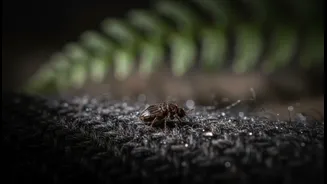
The warm and humid monsoon weather is peak season for ticks and fleas. These parasites aren't just a nuisance; they can transmit dangerous diseases like tick fever (babesiosis and ehrlichiosis), which can be fatal if not treated promptly. Daily checks are crucial. Run your hands all over your pet's body, especially in hidden spots like under the collar, between the toes, inside the ears, and in their armpits. If you find a tick, remove it promptly and carefully. It is vital to continue your pet's regular tick and flea prevention program throughout the season. Consult your veterinarian for the most effective and appropriate preventive treatments for your pet and region.
Dietary Adjustments for the Season
A pet's digestive system can become more sensitive during the monsoon due to changes in activity levels and the higher risk of waterborne diseases. It’s essential to provide fresh food and clean drinking water at all times. Food can spoil much faster in humid weather, so avoid leaving wet or home-cooked meals out for long periods. Always store dry food in an airtight container to prevent it from getting mouldy. Ensure your pet has access to fresh, filtered, or boiled water, and never let them drink from puddles. Some pets may benefit from a diet that is easier to digest during this time, incorporating high-quality protein and fibre from sources like boiled chicken, pumpkin, and rice.
Indoor Enrichment and Exercise
Heavy rains often mean shorter or cancelled walks, which can lead to boredom and restlessness. Keeping your pet mentally and physically stimulated indoors is a critical, though often overlooked, aspect of monsoon care. Engage your pet with indoor games like hide-and-seek with treats, gentle fetch in a hallway, or a session of teaching new tricks. Food-dispensing puzzle toys and snuffle mats are excellent tools that turn feeding time into a stimulating challenge, preventing boredom and destructive behaviours. Even creating a simple indoor obstacle course with cushions and boxes can provide much-needed activity and fun.