






The Monsoon's Crucial Role
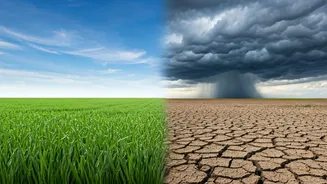
The southwest monsoon, which typically lasts from June to September, is the backbone of Indian agriculture. It accounts for over 70% of the country's annual rainfall, and nearly half of India's cultivated land is rain-fed, meaning it depends entirely
on the monsoon for water. This season is particularly critical for Kharif crops, which are sown at the beginning of the rains. These include essential staples like rice, pulses (dal), maize, soybean, and cotton. A timely and evenly distributed monsoon ensures healthy crop growth, replenishes reservoirs for drinking water and hydropower, and sustains rural livelihoods for millions.
From Scanty Rains to Lower Harvests
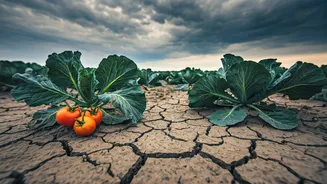
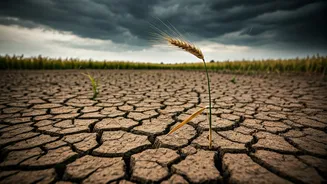
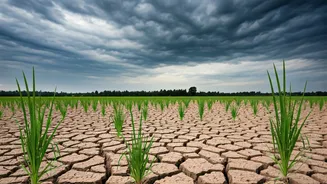
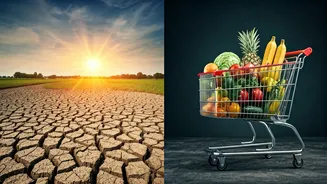
A weak or delayed monsoon can disrupt this entire cycle. Insufficient rainfall leads to lower soil moisture, which can force farmers to delay sowing or even reduce the total area planted. As of late June 2026, India is facing a significant rainfall deficit of over 40%, raising concerns about the ongoing Kharif season. For crops that are planted, prolonged dry spells can stunt growth, cause seeds to shrivel, and ultimately reduce the yield per hectare. Pulses and oilseeds are particularly vulnerable as they often have lower irrigation coverage compared to crops like sugarcane or wheat. This direct hit on agricultural production is the first step in a chain reaction that travels from the farm all the way to urban kitchens.
The Supply Chain Ripple Effect
When harvests are smaller, the amount of produce making its way to the mandis, or wholesale markets, naturally decreases. This creates a classic supply-demand imbalance. With less produce available, competition among buyers intensifies, pushing wholesale prices up. This isn't just an issue of quantity; poor rains can also affect the quality of the produce, which further impacts pricing. The problem can be magnified by hoarding, where some traders might hold back stock in expectation of even higher prices later, creating artificial scarcity and driving costs up further for retailers. The entire supply chain, from the local collector to the large distributor, feels the squeeze of reduced availability.
Why Your Grocery Bill Climbs
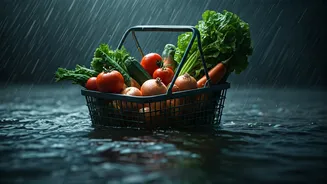
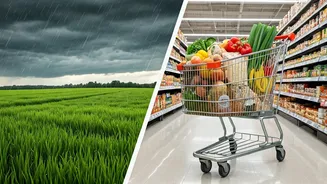
The final and most felt impact is on the consumer. The higher prices paid by retailers in the wholesale market are inevitably passed on. This is why you might notice the cost of tomatoes, onions, or your favourite dal suddenly increasing. For May 2026, food inflation in India rose to 4.78%, with items like tomatoes seeing significant price jumps. While the government holds buffer stocks of essential grains like rice and wheat to cushion against immediate shocks, perishable items and pulses are more susceptible to these price swings. A weak monsoon fuels inflation, squeezing household budgets and reducing the amount of money families have for other essential spending.
What Can Be Done About It?
Addressing this complex challenge requires action on multiple fronts. In the short term, the government can use various tools to manage prices. This includes releasing buffer stocks of grains and pulses, imposing limits on how much stock traders can hold to prevent hoarding, and adjusting import and export policies to increase domestic availability. For instance, the government might lower import duties on pulses or ban the export of items like onions to keep prices in check. These measures can provide temporary relief to consumers. Over the long term, the solution lies in building greater resilience in agriculture. This involves expanding irrigation networks to reduce dependence on rain, promoting drought-tolerant crop varieties, and improving water management and conservation techniques.