


The Flydubai Incident: A Closer Look
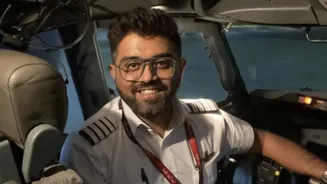
On a flight from Dubai to Tel Aviv, a dramatic altercation in the cockpit resulted in the captain being seriously injured and unable to perform his duties. Reports indicate that Captain Smit Machchhar, an Indian national, was attacked by his co-pilot,
who then attempted to crash the aircraft. Despite his injuries, the captain managed to open the cockpit door, allowing crew and passengers to intervene. The plane, which had entered a steep dive, was eventually stabilised and diverted for a safe emergency landing in Saudi Arabia. This shocking event, while exceptionally rare, highlights the potential for pilot incapacitation—whether from a medical event, an attack, or other causes.
The First Line of Defence: The Co-Pilot
In a commercial airliner, the cockpit is staffed by two fully qualified pilots: the Captain and the First Officer (often called the co-pilot). Both individuals are certified to fly the aircraft. The key difference lies in experience and ultimate command authority, which rests with the Captain. However, the First Officer is far more than an apprentice; they share flying duties with the Captain, often alternating legs of a journey. In the event a Captain becomes incapacitated, the First Officer is trained and prepared to assume full command of the aircraft. Their immediate responsibility is to take control, stabilise the aircraft, and manage the emergency.
Declaring an Emergency: 'Pan-Pan' vs. 'Mayday'
Once the remaining pilot has control, they will communicate with Air Traffic Control (ATC). Depending on the severity, they will declare either a "Pan-Pan" or a "Mayday." A "Pan-Pan" signal indicates an urgent situation that is not immediately life-threatening but requires attention and priority. A "Mayday" call is reserved for grave and imminent danger, such as a fire or complete loss of control, requiring immediate assistance. A pilot incapacitation is typically considered a distress situation warranting a "Mayday" call. This declaration immediately gives the flight priority over all other air traffic, clears the radio frequency, and alerts ATC to provide all necessary support, from vectoring for an easier approach to preparing emergency services on the ground.
Teamwork at 35,000 Feet
The remaining pilot isn't entirely alone. After securing the aircraft, they will alert the cabin crew. The lead flight attendant (or purser) will come to the cockpit to assist. Their first job is to secure the incapacitated pilot, moving their seat back and ensuring they cannot interfere with the controls. If possible, they will administer first aid, often with guidance from medical professionals on the ground or a passenger with medical qualifications. The cabin crew also plays a vital role in keeping the passengers calm and preparing the cabin for a potential emergency landing. In some cases, a qualified pilot traveling as a passenger may be asked to assist in the cockpit, though primarily in a supportive, non-flying role.
Technology and Training as a Safety Net
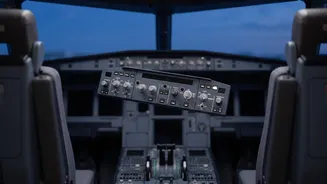
Modern aircraft are equipped with sophisticated autopilot systems that can significantly reduce the workload on a single pilot. The pilot can program the autopilot to manage the aircraft's heading, altitude, and speed, allowing them to focus on communication, running checklists, and planning the diversion to a suitable airport. This scenario is not just a theoretical problem; it is a situation that pilots train for extensively and repeatedly in flight simulators. From recognizing the subtle signs of gradual incapacitation (like a pilot becoming unresponsive) to the sudden, dramatic event, crews rehearse the entire procedure. This rigorous training ensures their response is decisive and methodical, turning a potential catastrophe into a manageable emergency.