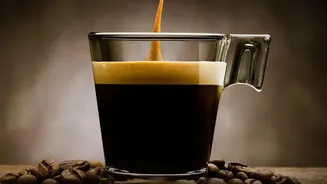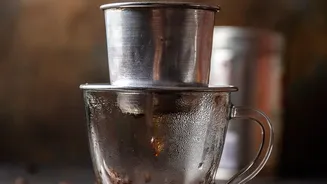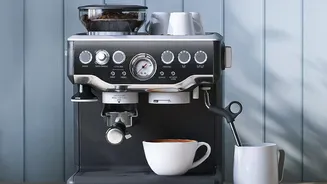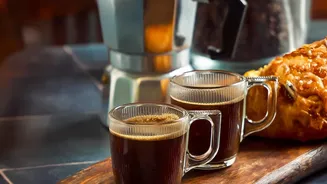

Craving that rich, intense, espresso-like coffee without the café price tag or a bulky machine on your counter? The secret to unlocking bold, concentrated flavour from simple home brewers lies in one crucial detail: the coffee grind.
Why Grind Size Is Everything
Brewing coffee is
all about extraction—the process of water dissolving flavours, oils, and aromas from coffee grounds. The size of your coffee particles is the most important factor controlling this process. Think of it this way: a finer grind creates more surface area, allowing water to extract flavours much more quickly. This is essential for the short brew times of espresso-style methods. Get it wrong, and you'll taste the results immediately. A grind that is too coarse for the brew time will lead to under-extraction, resulting in a coffee that tastes weak, sour, or hollow. A grind that is too fine will cause over-extraction, creating a bitter, harsh, and unpleasant cup. Mastering the grind is about finding that sweet spot for balanced, delicious extraction.
Decoding 'Espresso-Style'
It's important to clarify that without a machine capable of producing high pressure, you can't make true espresso. However, you can create a similarly concentrated, rich, and intense coffee that serves as a fantastic base for lattes and cappuccinos or as a powerful small drink on its own. Brewers like the Moka pot and AeroPress are perfect for this. They use steam pressure or manual force to create a strong brew that mimics the character of espresso far better than a standard drip machine. The goal is to achieve that syrupy body and bold flavour, and the key is pairing the right brewer with the right grind.
The Grind for Moka Pots
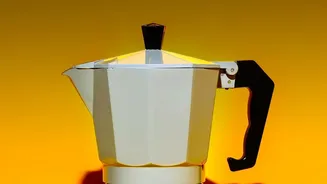
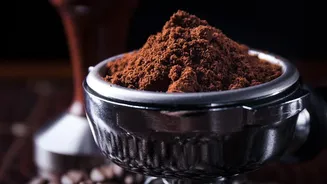
The Moka pot, often called a stovetop espresso maker, is a classic for a reason. For this brewer, the ideal grind is medium-fine—finer than for drip coffee but coarser than a true espresso grind. A good visual comparison is the texture of table salt or fine sand. If you use a grind that is too fine (like pre-ground espresso), it can clog the filter, slow the brew to a crawl, and produce a scorched, bitter coffee. If the grind is too coarse, water will rush through too quickly, leaving you with a weak and under-extracted pot. Start with a medium-fine setting and adjust based on taste: if it's bitter, go one step coarser; if it's weak or sour, go one step finer.
The Grind for an AeroPress Shot
The AeroPress is incredibly versatile, but for an 'espresso-style' concentrate, you need to use a fine grind. This is a grind much finer than the standard AeroPress recommendation, somewhere between medium-fine and a true espresso grind. On many grinders, this setting is often labelled for espresso. This fine grind creates resistance, allowing you to apply firm, steady pressure on the plunger to force water through the coffee quickly, mimicking the pressure of an espresso machine. Paired with a low coffee-to-water ratio and a short brew time (often under two minutes total), this method produces a rich, concentrated shot that is perfect for milk-based drinks.
Your Most Important Tool: The Grinder
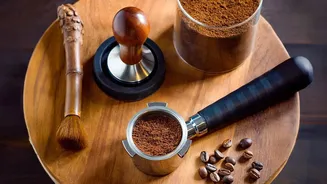
While simple brewers can make great coffee, the one non-negotiable tool for getting the grind right is a quality burr grinder. Blade grinders, which work like a blender, chop beans into uneven pieces of varying sizes—from dust to large chunks. This inconsistency leads to both over- and under-extraction in the same brew, creating a muddled flavour. A burr grinder, on the other hand, uses two abrasive surfaces to crush beans to a uniform and consistent size. This consistency is critical for a balanced and repeatable extraction, especially when aiming for the fine grinds required for espresso-style coffee. Both manual and electric burr grinders are excellent options and represent the single biggest upgrade you can make to your home coffee setup.