


A Market in Transition
The numbers paint a clear picture of a market undergoing a fundamental reset. In August 2026, for the first time, the combined retail sales of alternative fuel vehicles—including CNG, hybrids, and electric vehicles (EVs)—overtook petrol-powered cars.
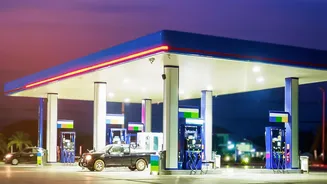
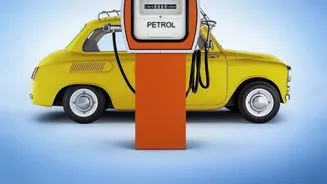
The share of petrol cars fell to just over 40% in August, a significant drop from around 46% just a year prior. This isn't just a niche trend; it's a mainstream shift occurring within a growing passenger vehicle market. The slice of the pie for petrol is shrinking even as the entire pie gets bigger. While petrol remains the largest single fuel type for now, its throne is wobbling as a diverse array of powertrains gains ground.
The Rise of the Alternatives
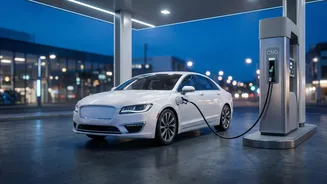
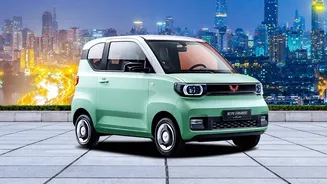
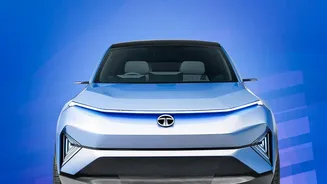
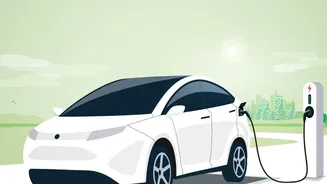
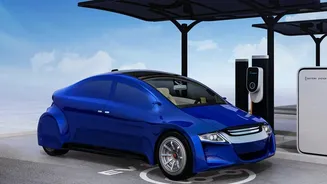
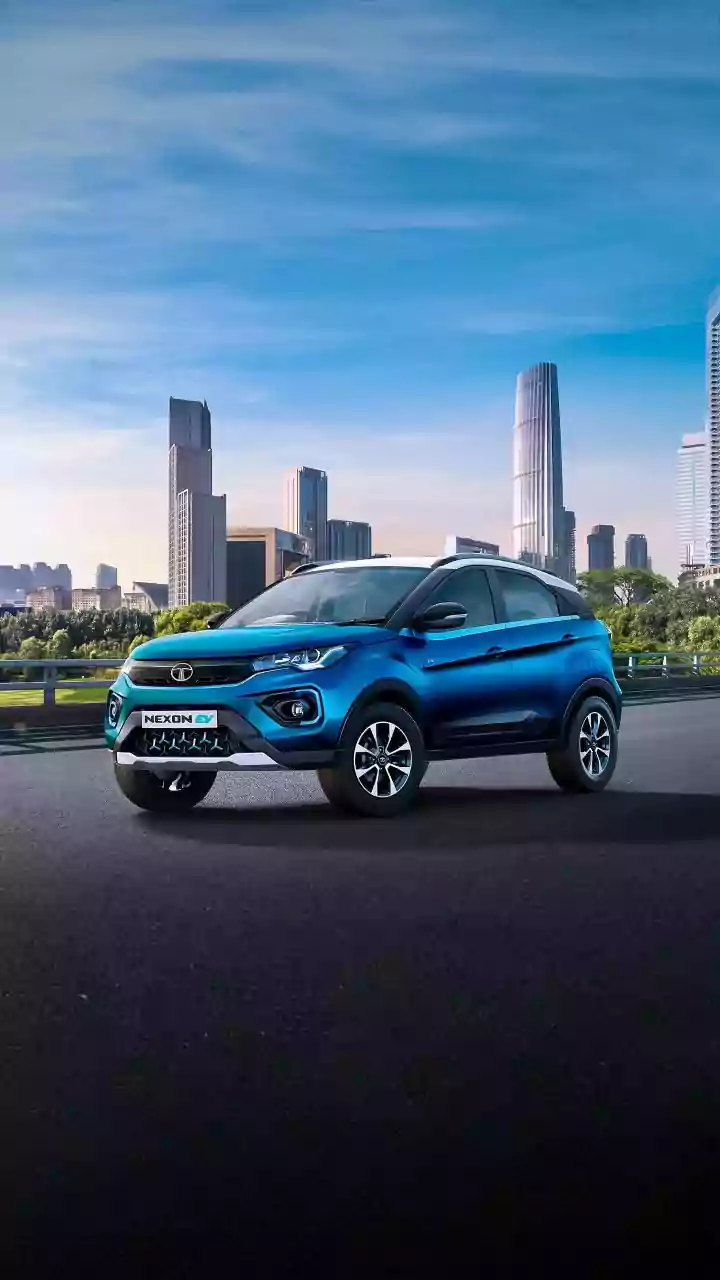
There is no single successor to petrol's crown; instead, a multi-pronged transition is taking place. CNG has emerged as a powerful force, particularly for cost-conscious buyers, with its market share climbing to over 25%. For some of India's largest manufacturers, like Maruti Suzuki, CNG now accounts for a massive portion of sales, driven by lower running costs. Simultaneously, Electric Vehicles are surging in popularity. In the first half of 2026, EV sales grew by an impressive 65% year-on-year, far outpacing the rest of the market. Hybrids are also finding their footing, offering a middle path for those not ready to go fully electric. Together, these alternatives accounted for nearly 42% of sales in August 2026, showcasing a clear diversification in consumer choice.
What’s Driving the Change?
Several factors are accelerating this shift. Persistently high and volatile petrol prices have made buyers acutely aware of running costs. The government's push for cleaner mobility, through stricter emission norms and the E20 (20% ethanol blend) mandate, is also nudging the ecosystem in a new direction. Furthermore, automakers are responding to—and fueling—this trend by offering a much wider array of choices. Where once a buyer's choice was limited to petrol or diesel, they now face a compelling menu of strong hybrids, plug-in hybrids, EVs, and factory-fitted CNG kits across multiple segments. This expansion of choice is perhaps the single biggest driver, empowering consumers to pick a powertrain that best fits their specific needs, from city commuting to highway driving.
The New Car-Buying Conversation
This changing landscape has completely reshaped the conversation around buying a new car. The simple question of "Kitna deti hai?" (What's the mileage?) is being replaced by a more complex set of considerations. For EV buyers, the discussion is now about charging time, real-world range, and the availability of public charging infrastructure. For hybrid owners, it's about understanding the interplay between the electric motor and the petrol engine to maximize efficiency. A new vocabulary has entered the mainstream, with terms like 'total cost of ownership' (TCO) becoming more important than the initial showroom price. Buyers are increasingly calculating long-term fuel savings and maintenance costs against higher upfront prices for EVs and hybrids. Brand reputation, tech features, and safety are still crucial, but they are now viewed through the lens of these new powertrains.