



The Problem with 'Fast Furniture'
For years, the decorating mantra was 'new is always better'. This led to the rise of 'fast furniture'—mass-produced, inexpensive pieces designed to be stylish for a season and discarded when trends change or they inevitably break. Much like fast fashion,
this model relies on low-quality materials like particleboard and chemical-heavy finishes that are difficult to repair or recycle. The environmental cost is significant, from deforestation to the millions of tonnes of furniture that end up in landfills annually. Beyond the ecological impact, this culture of disposability has led to a sea of homogenous interiors, lacking the personal touch and warmth that make a house a home. Indian homeowners are now growing weary of this cycle, seeking alternatives that offer both longevity and individuality.
A Return to Roots and Craftsmanship
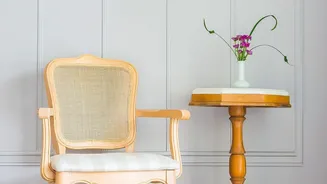
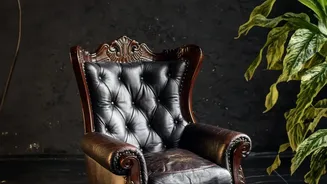
The turn towards vintage is more than just an aesthetic choice; it’s a reconnection with heritage. India has a rich history of exceptional craftsmanship, with artisans creating furniture from solid, seasoned woods like teak and rosewood, built to last for generations. These pieces, whether an ornate Rajasthani cabinet, a colonial-era armchair, or a simple but sturdy mid-century table, were made using traditional techniques that prized durability. Unlike modern, uniform pieces, vintage furniture carries individuality—the small irregularities in a carving or the natural grain of the wood tell a story. This 'granny chic' revival, as some call it, is about appreciating items that feel collected over time, showcasing handcrafted details that mass-produced furniture simply cannot replicate.
Sustainability as a Statement
In an age of growing environmental awareness, choosing vintage is a powerful act of sustainability. Giving a second life to an old piece of furniture is the ultimate form of recycling, reducing waste and the demand for new resources. This approach aligns with a broader shift towards eco-conscious living, where homeowners are actively seeking planet-friendly solutions. Antique furniture was often made from high-quality timber that grew slowly and naturally, making it incredibly dense and resistant to decay. By choosing a pre-loved piece, consumers are not only acquiring a durable item but also making a smart, ethical choice that lowers their carbon footprint. It’s a move away from a culture of consumption towards one of stewardship.
Creating a Modern-Vintage Mix
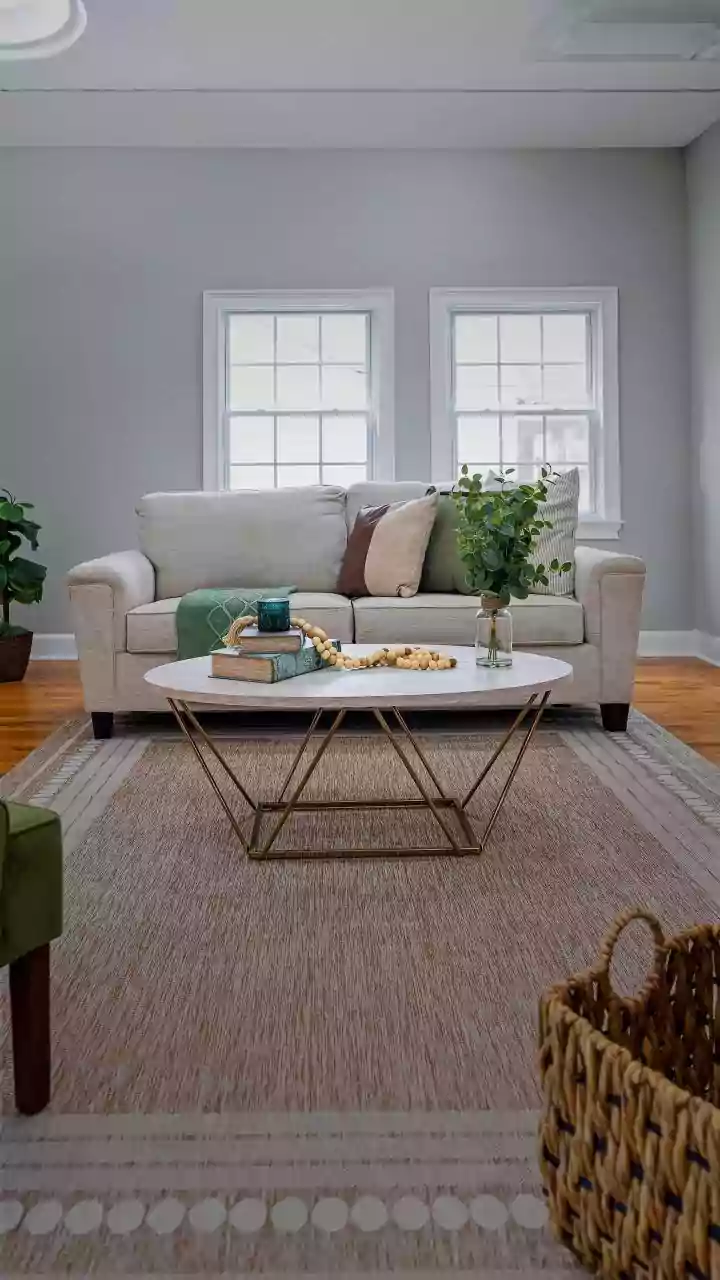
Embracing vintage doesn't mean your home has to look like a museum. The modern approach is all about the artful mix of old and new. Interior designers and savvy homeowners are using statement vintage pieces to add warmth and character to contemporary spaces. A single, beautifully restored antique chest can serve as a focal point in a minimalist living room, or a set of mid-century dining chairs can bring personality to a modern kitchen. The key is to create a layered, personal space that reflects your story. This fusion allows for a home that feels both current and timeless, blending clean, modern lines with the soul and history of vintage finds.
Where to Find These Treasures
The hunt for vintage furniture is part of its charm. Many families are rediscovering heirloom pieces tucked away in storage, waiting for a little polish and a new lease on life. For those looking to buy, India’s famed antique markets are treasure troves. Mumbai's Chor Bazaar and Oshiwara market, Delhi’s Amar Colony, and regional hubs in cities like Jaipur and Cochin offer everything from colonial-era furniture to quirky, upcycled items. The digital age has also made it easier, with online stores and Instagram sellers curating collections of vintage and antique pieces, bringing the charm of the past directly to a new generation of decorators.