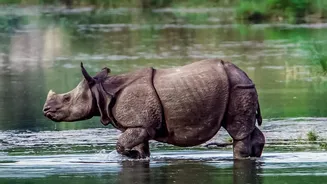



A leopard padding through a residential alley in Mumbai. A monkey observing traffic from a temple in Delhi. These are not rare sightings but signs of a new reality: wildlife is adapting to our cities, forcing us to see them not as intruders, but as neighbours.
The New Urban Jungle
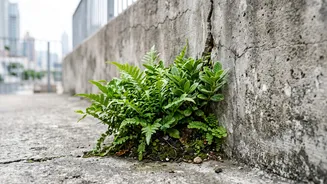
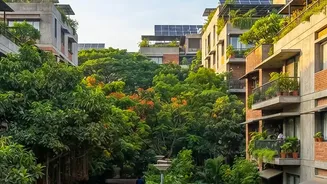
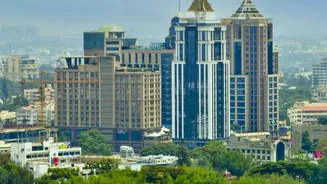
When we think of 'wildlife', we often picture dense forests or sprawling grasslands, far removed from human civilisation. But as India's cities expand, the line between the urban and the wild is blurring. Rapid urbanisation is transforming natural landscapes, pushing many species out while inviting others in. The result is a new kind of ecosystem where animals are not just surviving but thriving amidst the concrete and chaos. This isn't about animals getting lost; it's about them making a home. From Mumbai's Sanjay Gandhi National Park, where leopards coexist with a dense human population, to Delhi's Ridge, where rhesus macaques navigate the city's infrastructure, animals are becoming permanent residents. They are learning our rhythms, our waste cycles, and our architecture, creating a dynamic and often complex urban jungle.
Masters of Adaptation
The animals succeeding in cities are masters of adjustment. Research shows that urban wildlife often becomes bolder, more exploratory, and more active than their rural counterparts. A prime example is the leopard population in and around Mumbai. These big cats have adapted to the urban fringe, using the cover of night to prey on stray dogs and pigs, which are abundant due to city waste. They move stealthily through alleyways and green corridors, demonstrating a shocking ability to coexist with one of the world's densest human populations. Similarly, rhesus macaques in cities like Delhi have altered their behaviour significantly. Once forest-dwellers, their diet now consists less of natural vegetation and more of food provided by people and scavenged from waste. They have learned to navigate roads, rooftops, and metro lines with ease, showcasing a remarkable behavioural flexibility that allows them to flourish in human-dominated landscapes.
A Complex Coexistence
This proximity between humans and wildlife is not without friction. As natural habitats shrink, conflicts can arise over space and resources. In some Indian states, macaques raiding farms have led to economic losses. The presence of leopards near residential areas, while mostly peaceful, has led to periods of conflict, fuelled by fear and media narratives. However, this relationship is more nuanced than just conflict. Urban animals also provide essential ecosystem services. Birds like black kites help manage organic waste, while snakes can control rodent populations. This forces a shift in perspective, from seeing these animals as pests to recognising them as integral parts of urban biodiversity. Understanding their behaviour and social structures is the first step toward fostering a more tolerant coexistence.
Why Cities Are the New Frontier
From an animal's perspective, a city can be a surprisingly attractive habitat. Urban environments often provide abundant and predictable sources of food, from overflowing bins to deliberate feeding by residents. Buildings and other man-made structures offer novel forms of shelter, and for some species, cities mean fewer natural predators. But this new life comes with challenges. Constant noise can interfere with communication, forcing some birds to change the frequency of their songs. Artificial light can disrupt natural cycles of activity. A recent review of over 200 studies found that urbanisation has a significant effect on animal social behaviour, from mate choice to group stability. These 'urban stressors' are driving rapid behavioural adaptations, creating a real-time evolutionary experiment on our doorsteps.