


A Philosophy of Effortless Living
The core idea is borrowed from ergonomics, the science of designing for efficiency and comfort. By placing the items you use most often within easy arm's reach, you eliminate hundreds of tiny, frustrating searches and micro-decisions each day. This isn't
just about being tidy; it's about reducing cognitive load and decision fatigue. Think of it like a professional chef's 'mise en place'—a French term for having 'everything in its place'. Chefs arrange their ingredients and tools for maximum efficiency before they even start cooking, allowing them to work smoothly and without stress. Applying this philosophy to your home means you can move through your daily tasks with the same fluid ease, saving precious mental energy for what truly matters.
The Kitchen Command Centre
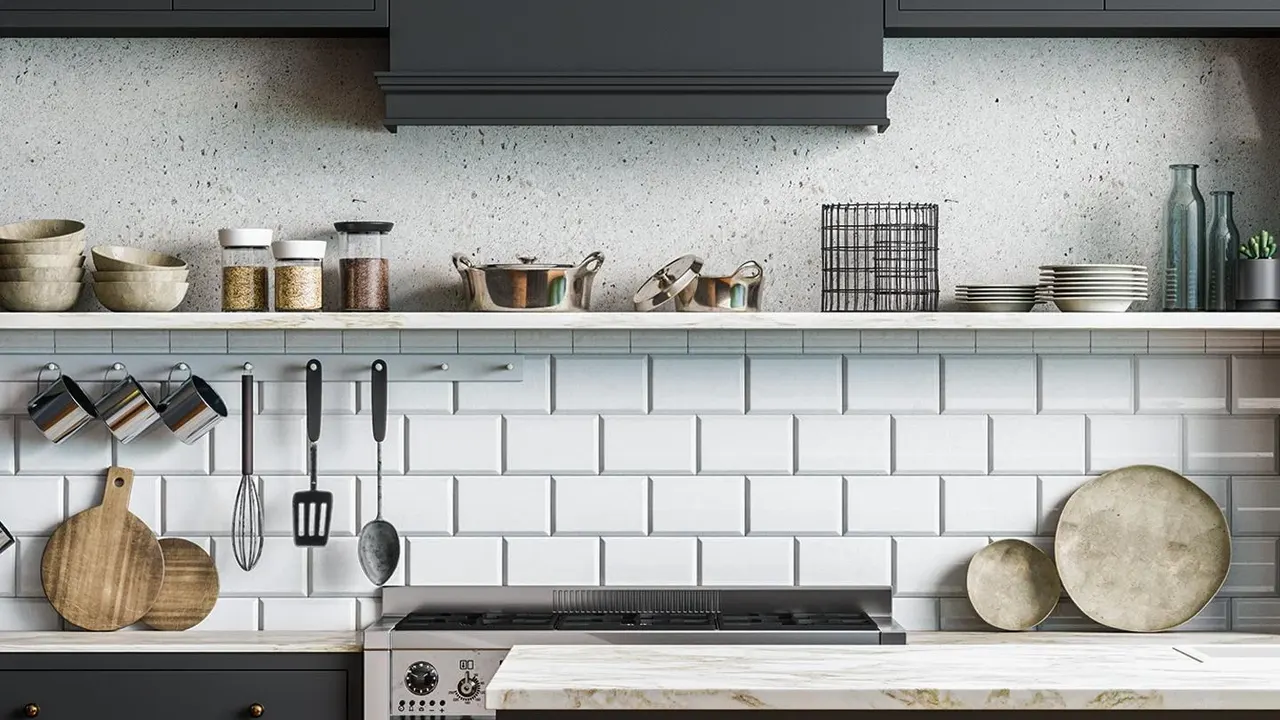
The kitchen is the perfect place to start. The 'work triangle'—the path between your sink, stove, and refrigerator—is a classic ergonomic concept. Enhance it by storing items exactly where you use them. Keep cooking oils, spices, and your most-used utensils in a container or drawer right next to the hob. Store coffee mugs, tea, and sugar near the kettle or coffee machine. Place pots and pans either directly below the stovetop or right beside it. By creating zones for specific tasks like meal prep, cooking, and cleaning, you stop crisscrossing the room and make every action more intuitive. Frequently used items belong in the prime real estate of eye-level shelves and top drawers, not hidden away.
Your Launchpad by the Door
The morning scramble to find keys, a wallet, or sunglasses is a universal stressor. An organized entryway, or 'launch pad', is the antidote. Designate a specific bowl, a set of hooks, or a small table right by the door where these essential items always live. Make it a non-negotiable habit to place them there the moment you walk in. This single system eliminates the frantic last-minute search and ensures your departure from home is calm and collected. The easier it is to put something away, the more likely you are to do it. This space should hold only what you need to grab on your way out, keeping it free from the clutter of mail, old flyers, or items that belong elsewhere.
The Efficient Home Office
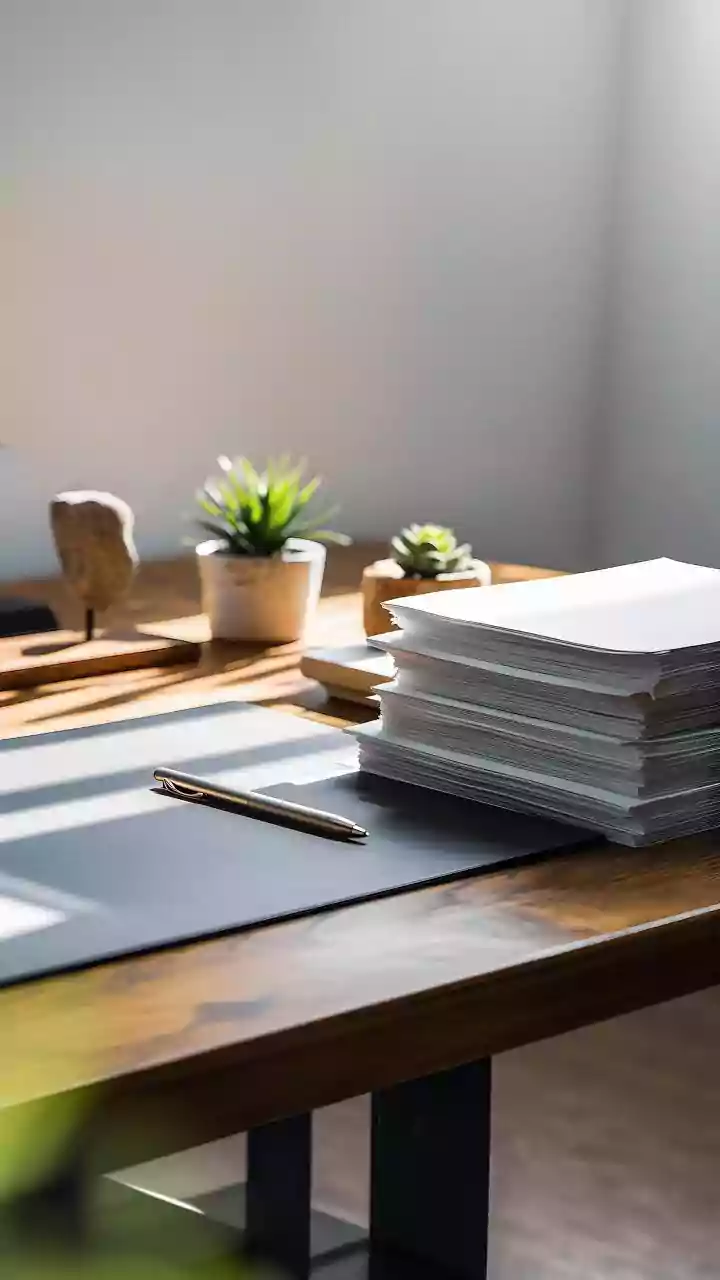
Whether it's a dedicated room or a small corner of the living room, your workspace productivity is directly tied to its organization. Your desk surface should be reserved for active tasks. Keep your pen holder, notepad, and phone charger within immediate reach. Items you use less frequently—spare paper, extra ink cartridges, or archival files—should be stored in drawers or on shelves further away. Think in terms of 'active' versus 'passive' zones. Your active zone is everything you can touch without stretching or getting up. By keeping this area clear and functional, you minimize distractions and the context-switching that drains mental energy.
Extending the Principle Everywhere
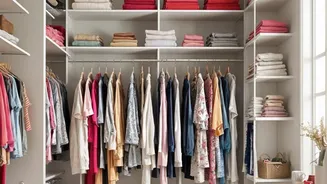
This concept can be applied to every room in your house. In the bathroom, keep your daily skincare and toiletries in an accessible caddy or on the top shelf of your medicine cabinet, while less-used items like backup toothpaste or first-aid supplies can be stored below the sink. In the bedroom, your nightstand should hold only what you need for winding down and waking up: a book, a glass of water, and your phone charger. By thoughtfully curating the items that occupy your most accessible spaces, you are designing a home that works for you, not against you. The goal is to make a series of small, intentional choices that lead to a smoother, more streamlined day.