







Understanding the Science of Sound
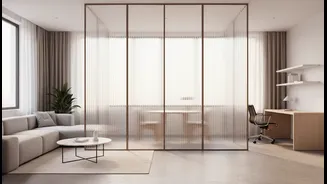
Sound waves behave differently depending on the surfaces they encounter. In a room with many hard surfaces—like tile floors, large windows, and bare walls—sound waves bounce around, creating reverberation and echo that can make a space feel harsh and loud.
Soft, porous materials, on the other hand, absorb sound waves, trapping the energy and converting it into a tiny amount of heat. This process prevents the sound from reflecting back into the room, resulting in a quieter, more comfortable acoustic environment. The goal isn't to eliminate sound entirely, but to strike a balance between sound-absorbing and sound-reflecting surfaces to create a pleasant atmosphere.
The Right Curtains and Drapes
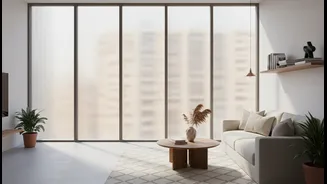
Windows are major culprits for sound reflection. While you might think you need heavy, blackout curtains, even lighter fabrics can make a significant difference, provided you choose wisely. The key is using materials with texture and density, such as velvet, suede, or thick linen blends. The folds and pleats in curtains create additional surface area to trap sound. For a lighter look that still performs, consider layering a sheer curtain with a heavier drape. This combination allows for light control and privacy while enhancing sound absorption. To maximize the effect, hang curtains so they extend from the ceiling to the floor and are wider than the window frame itself, creating a larger absorptive surface.
Rethinking Rugs and Flooring
One of the single most effective ways to combat echo is to place a rug on a hard floor. Even a thin rug can make a noticeable difference, but for maximum acoustic benefit, opt for thicker materials like wool or high-pile shag carpets. These dense fibres are excellent at trapping sound waves. If a thick rug feels too heavy for your aesthetic, consider layering. A larger, low-profile rug can provide a base, with a smaller, more textured rug on top to add visual interest and extra sound dampening. Don’t underestimate the power of a quality rug pad, either; it adds an extra layer of absorption and cushioning.
Stylish Wall Treatments
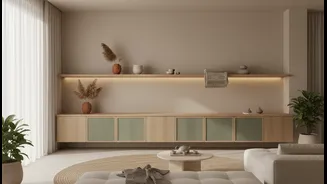
Bare walls are like giant amplifiers for echo. Instead of installing traditional foam acoustic panels, which can look out of place in a home, consider fabric-based wall decor. Large tapestries or macramé hangings are a classic solution that adds texture, colour, and personality while absorbing sound. You can also find modern, decorative acoustic panels designed to look like art, available in various shapes, colours, and even wood-veneer finishes that blend seamlessly into contemporary decor. Another clever trick is to use a well-stocked bookshelf; the irregular shapes of the books work to scatter sound waves, a principle known as diffusion, which helps prevent harsh echoes.
Upholstery and Accent Pieces
The furniture you choose plays a significant role in a room's sound profile. Large, soft pieces like upholstered sofas and armchairs are excellent at absorbing sound. Fabrics with texture, such as bouclé, chenille, or velvet, are particularly effective. Don't overlook smaller items either. Throw pillows and plush blankets not only add comfort and style but also contribute to the overall sound absorption in a room. Even upholstered dining chairs can help soften the clatter in an open-plan kitchen and dining area. By strategically choosing and placing these soft elements, you can significantly reduce reverberation without cluttering your space.
Creative and Natural Solutions
Beyond textiles, other decor elements can help improve your room’s acoustics in subtle ways. For instance, large houseplants with broad leaves can help scatter and absorb sound waves, especially when placed in corners where sound tends to build up. An upholstered headboard in a bedroom can reduce echo and create a more serene sleeping environment. Even fabric-covered storage boxes can contribute to the cause. The principle is simple: the more soft, porous, or irregularly shaped surfaces you can introduce into a room, the better the space will sound. It’s about layering different textures and materials to create an environment that is as pleasant for the ears as it is for the eyes.