




Why Your Skin Struggles in the Monsoon
The primary culprit behind rainy season skin woes is the sharp rise in humidity. When the air is saturated with moisture, sweat doesn't evaporate easily from your skin, leaving it damp for long periods. This combination of warmth and constant moisture creates
an ideal breeding ground for bacteria and fungi. Furthermore, high humidity can trick your skin into producing more oil (sebum), which can lead to clogged pores and a greasy appearance. This disruption weakens the skin's natural protective barrier, making it more vulnerable to infections, acne flare-ups, and allergic reactions.
Fungal Infections: The Unwanted Itch
Fungal infections are one of the most common complaints during the monsoon. Fungi thrive in warm, moist environments, making skin folds—like underarms, the groin area, and between the toes—particularly susceptible. Conditions like ringworm and athlete's foot often appear as red, itchy, circular, or scaly patches. To prevent them, experts stress the importance of keeping your skin as dry as possible. This means showering after getting caught in the rain, wearing breathable cotton clothes, and using an antifungal powder in sweat-prone areas. It's also crucial to avoid sharing towels or footwear.
Acne and Breakouts: The Humidity Effect
If you notice more pimples during the rainy season, you're not alone. The increased oil production stimulated by humidity can clog pores. When this excess oil mixes with sweat, dirt, and dead skin cells, it creates the perfect recipe for acne, blackheads, and whiteheads. Dermatologists advise against over-washing your face, which can strip the skin and trigger even more oil production. Instead, use a gentle, non-comedogenic (non-pore-clogging) cleanser twice a day. Opt for lightweight, gel-based, or water-based moisturisers and sunscreens that won't feel heavy or greasy on the skin.
Eczema and Skin Allergies: The Irritation Factor
For those with sensitive skin, the monsoon can trigger flare-ups of conditions like eczema and atopic dermatitis. Fluctuations in temperature and humidity can disrupt the skin's barrier, leading to dryness, redness, inflammation, and intense itching. Additionally, polluted rainwater and damp clothing made from synthetic materials can cause contact dermatitis or other allergic reactions. To manage this, experts recommend using gentle, fragrance-free moisturisers to keep the skin hydrated. Wearing soft, cotton fabrics and changing out of wet clothes immediately is also essential.
Your Monsoon Skincare Essentials
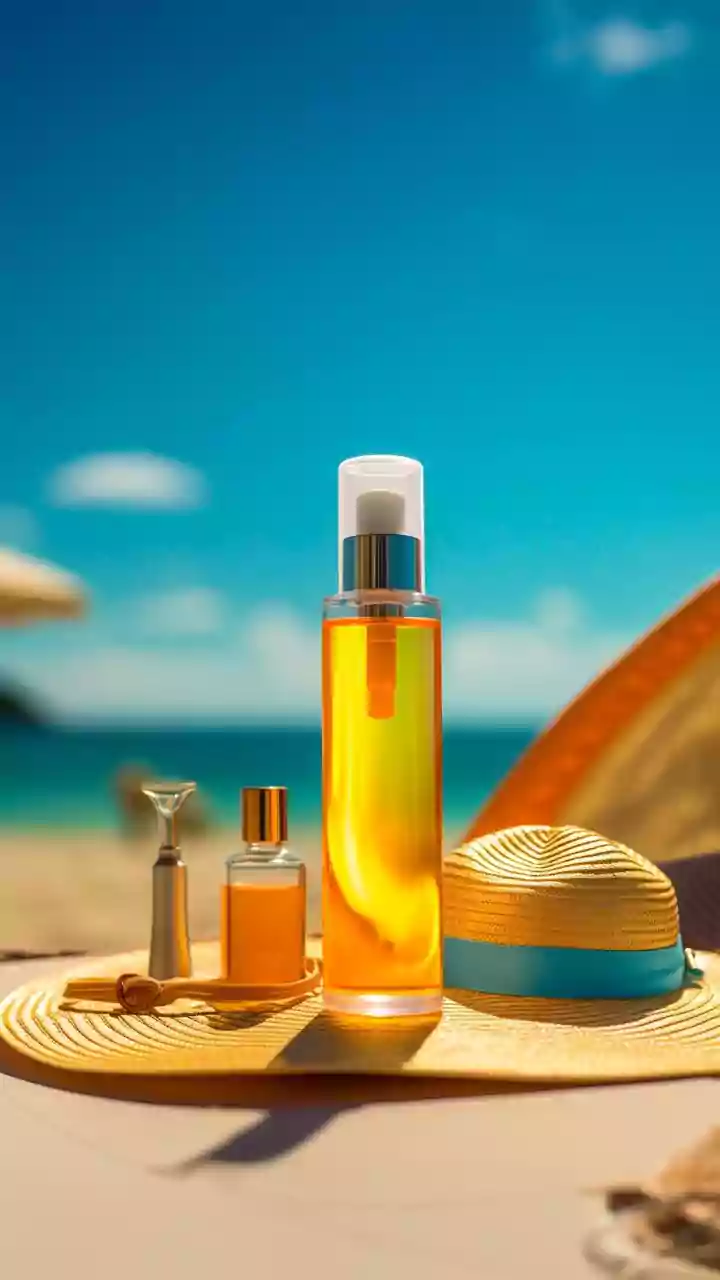
A few key adjustments to your routine can make all the difference. Firstly, never skip sunscreen; UV rays can penetrate clouds and cause damage. Look for a water-resistant, non-comedogenic formula with at least SPF 30. Secondly, exfoliate gently once or twice a week to remove the buildup of dead skin cells and prevent clogged pores, which can leave skin looking dull. Finally, keep your feet clean and dry. They are particularly vulnerable after wading through dirty rainwater, which can lead to infections like athlete's foot. Always wash and dry your feet thoroughly, especially between the toes, after they get wet.