



The Monsoon's Unofficial Snack
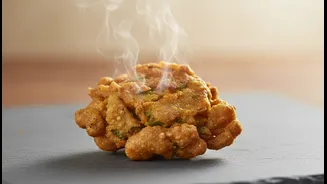
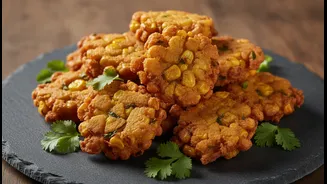
For generations, the pakora has been more than just a deep-fried snack; it's an emotion. These crispy, golden fritters—whether made with onion, potato, spinach, or paneer—are inextricably linked to the Indian monsoon. The tradition is a sensory one: the sizzle
of batter hitting hot oil provides a comforting soundtrack against the downpour. Psychologically, the warmth and spice of pakoras offer a boost of serotonin, a mood-lifter on gloomy days. The ritual of making and sharing them evokes powerful feelings of nostalgia, family, and togetherness, a comforting indulgence that feels almost sacred when the weather turns. From the 'bhajiyas' of Gujarat to the 'beguni' of Bengal, every region has its version, but the sentiment is universal. It’s a simple pleasure that makes a grey day feel brighter.
Too Much of a Good Thing?
Lately, however, the undisputed king of monsoon snacks seems to be losing some of its charm. The term 'pakora fatigue' has started whispering its way through WhatsApp groups and social media side-chats. What was once a special treat has become ubiquitous. Every café rolls out a monsoon menu starring them, and every other Instagram story features a glistening plate. This digital overexposure, combined with a growing collective consciousness around health, has led to what some are calling 'pakora overload'. The immediate, satisfying rush of the fried snack often comes with a post-meal sluggishness. As a culture, we are becoming more aware of what we eat, questioning the wisdom of making a deep-fried indulgence a daily monsoon habit rather than an occasional treat.
The Group Chat Verdict
The fact that this conversation is happening in 'group chats' is significant. It’s where the filter comes off. Unlike the public performance of social media feeds, group chats are where honest, collective opinions are formed. The verdict seems to be in: while the love for pakoras hasn't vanished, the desire for variety has grown stronger. People are tired of the default option. This fatigue isn't a rejection of tradition but a craving for alternatives that are either healthier, more exciting, or simply different. It reflects a wider shift in urban Indian food culture, where consumers are more experimental and less bound by convention. The conversation is no longer just, “Let’s have pakoras,” but, “What are we eating today besides pakoras?”
The New Monsoon Cravings
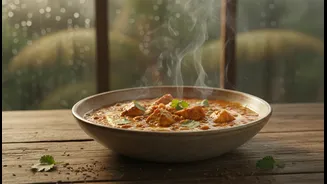
So, what is filling the void left by pakora fatigue? A whole new menu of monsoon cravings is emerging. The humble bhutta, or roasted corn on the cob, is having a major moment, often jazzed up as a tangy corn chaat. It offers that same street-side, rainy-day feel but with a healthier profile. Steamed momos with a spicy dipping sauce have become another go-to. Healthier options like moong dal chillas, roasted makhana, and hearty bowls of vegetable soup are also gaining popularity for those seeking comfort without the calories. Meanwhile, restaurants are tempting diners with everything from special burger festivals to comforting Asian broths like Vietnamese Pho, acknowledging that today's comfort food palate is increasingly global.
The Pakora's Next Chapter
But don’t count the pakora out just yet. It isn’t disappearing; it’s evolving. To combat the boredom, home cooks and chefs are getting creative, reinventing the classic snack. The humble besan batter is now being used to fry everything from broccoli and kale to chicken and cheese. We're seeing innovations like baked or air-fried versions, which promise the same satisfying crunch with significantly less oil. These modern twists prove that the pakora is versatile enough to adapt to changing tastes. The 'fatigue' is not with the format itself, but with the repetition of the same old onion and potato varieties. The next chapter for the pakora is one of experimentation and innovation.