
The Golden Window of Opportunity
Ask any seasoned traveller about the best time to visit Ladakh, and you'll often hear about the peak summer months of June and July. While this period is popular for a reason, the true sweet spot for many is the late-summer to early-autumn shoulder season,
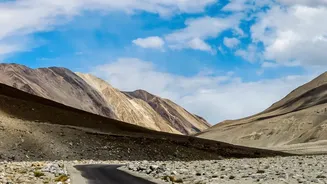
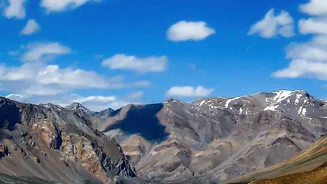
spanning from mid-August to the end of September. This is when the monsoon has retreated, washing the dust from the air and leaving behind exceptionally clear skies. The tourist crowds of peak season begin to thin, creating a more peaceful and intimate atmosphere. Daytime temperatures remain pleasant, generally ranging from 15°C to 25°C, though nights become crisper, reminding you of the approaching winter. This combination of comfortable weather, fewer people, and stable road conditions makes it an ideal time for exploration.
A Canvas of Autumn Colours
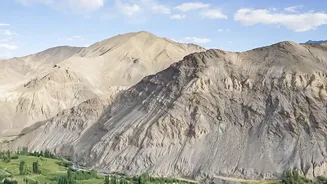
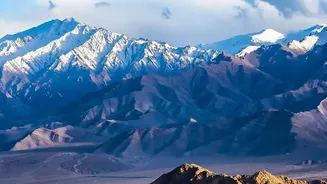
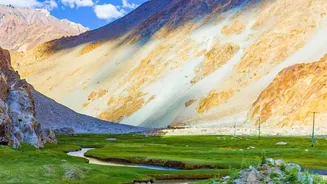
Late summer is when Ladakh begins to trade its summer greens for a spectacular display of autumn gold. The landscape, particularly in valleys like Nubra and along the Indus River, becomes a painter's palette of yellow, orange, and rust. Poplar and apricot trees turn a brilliant gold, creating a stunning contrast against the barren brown mountains and the deep blue of the sky. For photographers, this period is unmatched. The soft, clear light and the vibrant foliage create dramatic and richly coloured images. Villages like Hunder and Sumur in the Nubra Valley, or those dotted along the Sham Valley, are particularly beautiful as the harvest season concludes.
Clear Skies for Stargazers and Adventurers
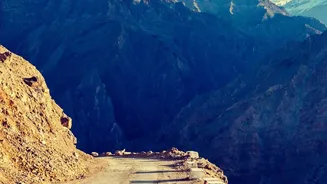
The post-monsoon clarity of September offers some of the best stargazing conditions of the year. With minimal atmospheric haze, the Milky Way stretches across the sky in breathtaking detail, a sight that is hard to witness from light-polluted cities. This is also a prime time for adventurers. All major road passes, including the formidable Khardung La and Chang La, are reliably open and in relatively good condition after a full summer of use. It’s an excellent window for road-trippers, whether on a motorcycle or in a car, to tackle the iconic highways connecting Leh to Manali and Srinagar without the peak-season traffic jams or the unpredictability of early summer thaws.
Iconic Landscapes at Their Best
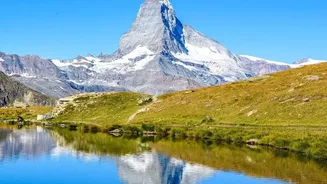
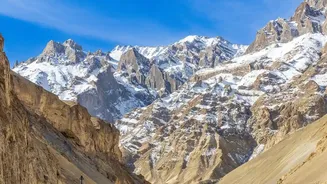
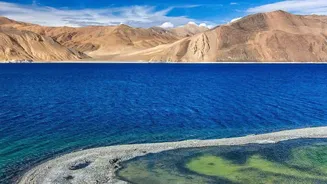
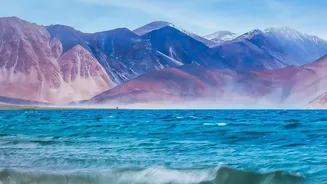
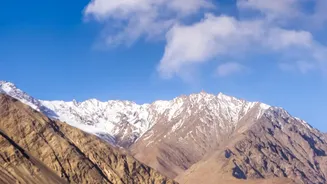
Ladakh's most famous sights take on a special character in late summer. Pangong Tso, the high-altitude lake famous for its shifting colours, appears even more vibrant against the crisp, clear sky. The Nubra Valley, a high-altitude desert, offers the surreal experience of riding double-humped Bactrian camels across sand dunes with snow-capped peaks in the distance. This is also the perfect time to explore Ladakh's rich spiritual heritage. Visiting monasteries like Diskit, with its towering Maitreya Buddha statue, Thiksey, resembling the Potala Palace, or the ancient Lamayuru, set in a 'moonland' landscape, is more serene with fewer visitors.
Cultural Festivities and Harvest Time
September often coincides with important cultural events, offering a deeper look into Ladakhi life. The Ladakh Festival, a major event organized to promote local culture, is typically held during this month. It features a colourful procession through Leh, traditional music and dance performances, archery competitions, and masked dances from various monasteries. This festival, along with other smaller, local harvest celebrations, provides a vibrant and authentic cultural experience that complements the region’s natural beauty.
Practical Tips for Your Trip
While late summer is an excellent time to travel, it requires some planning. Acclimatization is crucial; spend at least two days in Leh to adjust to the altitude before ascending to higher passes like Khardung La. Pack in layers—you'll need light clothes for sunny afternoons but warm jackets, gloves, and thermals for the chilly nights and early mornings. The sun's UV rays are incredibly strong at this altitude, so sunscreen and sunglasses are non-negotiable. While roads are generally open, conditions in the Himalayas can change quickly, so always build a buffer day into your itinerary for unexpected delays.